



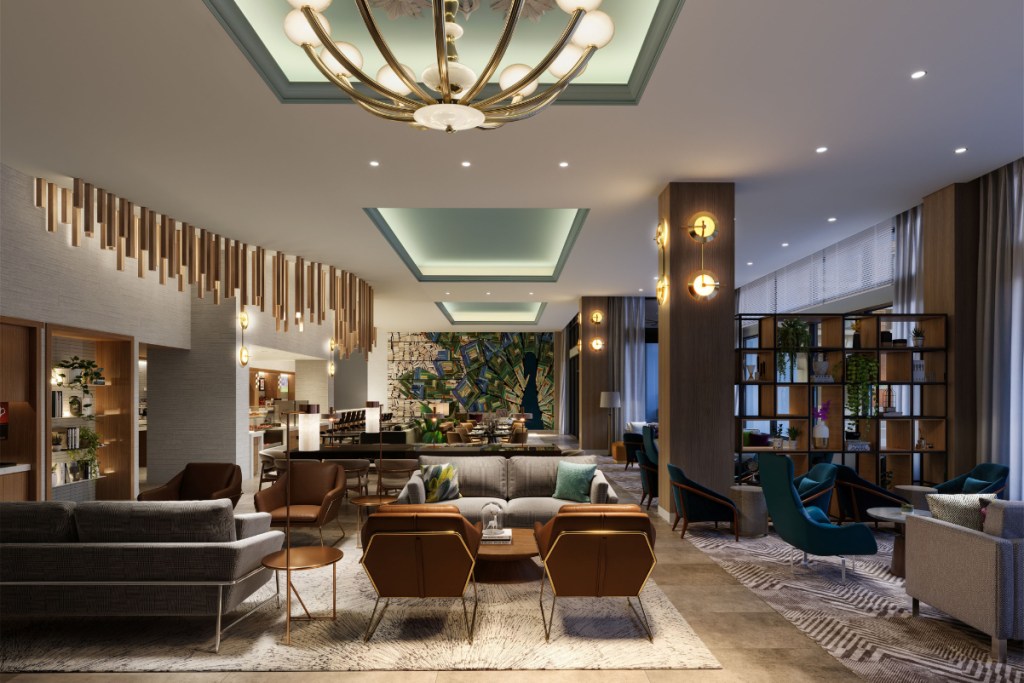
Hilton's brand architecture reset signals margin pressure in lifestyle tier
Hilton's trademark filing for "Tortoise"—a new lifestyle brand positioned between core and upper-upscale—reveals a strategic recalibration that goes beyond portfolio expansion. The move arrives as independent lifestyle operators and smaller regional chains have captured disproportionate RevPAR growth over the past 18 months, forcing Hilton to defend share in a segment where its existing portfolio (Curio, LXR, Tapestry) has not consistently outpaced bespoke competitors on pricing power or occupancy stickiness. Creating a new brand tier typically signals that existing architecture is leaking margin to rivals or that management sees a guest cohort currently underserved by the current playbook. For owners and franchisees, the question is structural: Hilton's track record of launching lifestyle brands (Curio in 2014, Tapestry in 2017) shows strong initial momentum but uneven long-term unit economics compared to core Hilton and DoubleTree. We expect the coming months to clarify whether Tortoise is positioned as a mass-market lifestyle play (competing on volume and developer appeal) or a true independent-hotel killer (competing on guest experience and rate integrity). Operators evaluating a Hilton conversion should demand transparency on unit-level economics, pipeline maturity, and how Tortoise will be differentiated from Curio in distribution, design standards, and target customer. The broader signal is that lifestyle branding is now a capital-allocation battleground, not a secondary growth vector.