




Spain’s pricing power shifts toward landmark assets
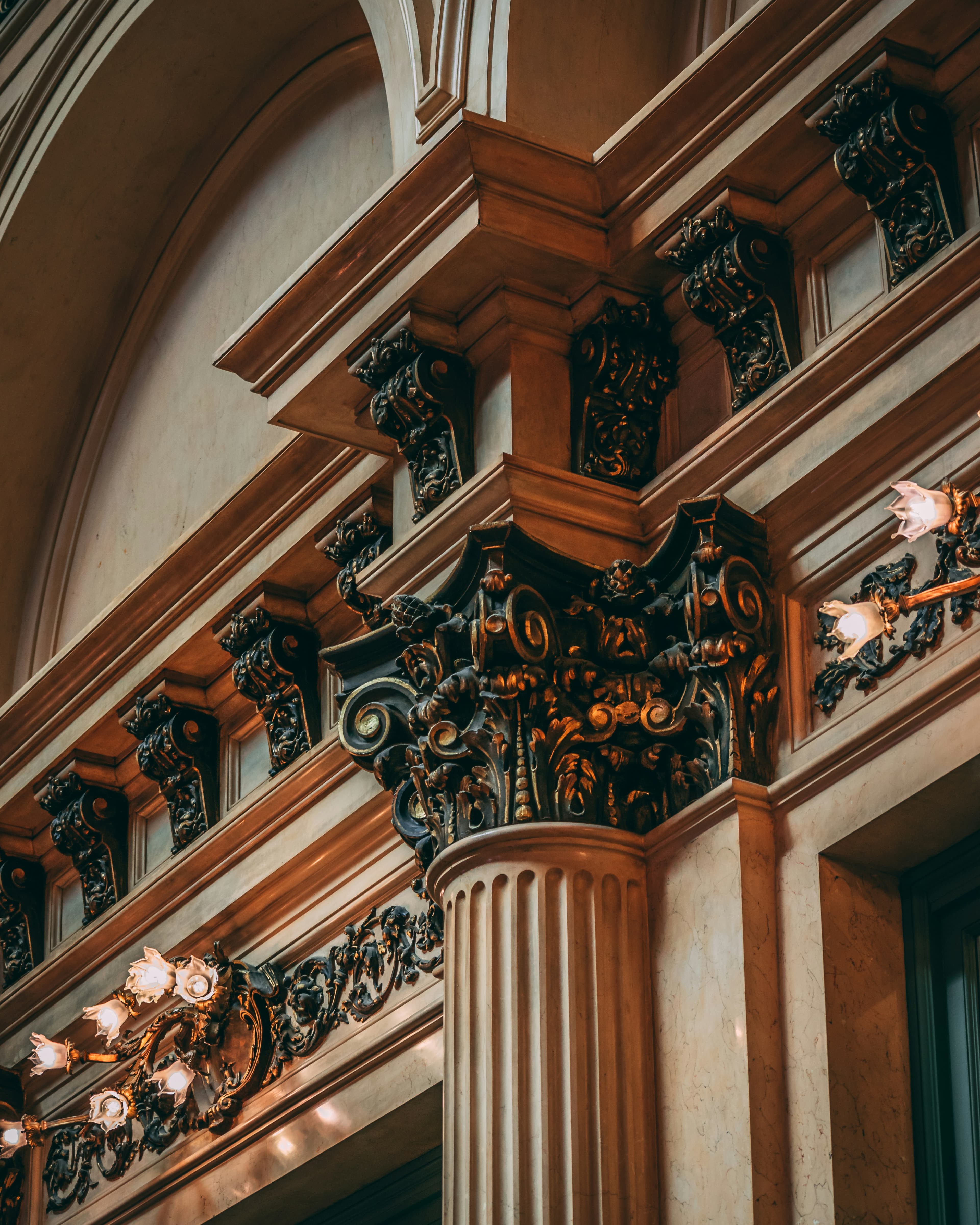
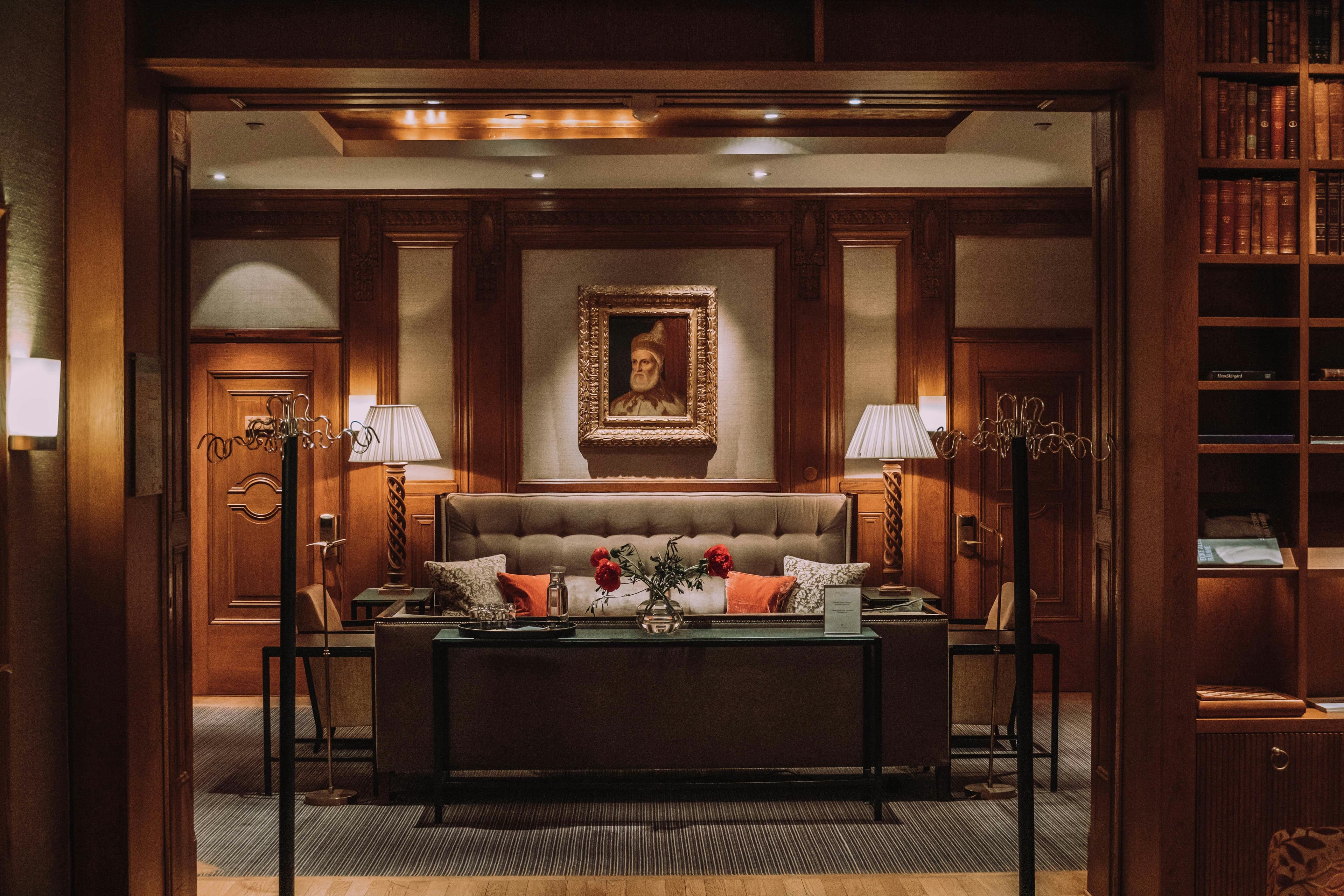
Spain’s hotel market is separating into two lanes, and the capital is chasing the irreplaceable lane. First-quarter hotel investment surpasses €900 million across more than 25 assets, while booking volumes still rise at double-digit rates despite macro uncertainty, yet the most revealing detail is that emblematic hotels are pushing room-price growth faster than the wider market. That happens now because investors and operators increasingly value scarcity, city-center heritage stock, and repositioning optionality over generic keys; a landmark property in Madrid, Barcelona, Seville, or Palma can absorb renovation capex, command higher ADR, and defend margins better as labor and energy costs rise. Marriott Bonvoy’s addition of India’s Noormahal Palace Hotel reinforces the same thesis globally: loyalty platforms are hunting story-rich inventory that converts aspiration into pricing power, not simply adding rooms. We connect this to a broader luxury-demand shift in which affluent travelers, especially younger high-net-worth consumers, buy narrative, architecture, and social-media distinctiveness as aggressively as square footage, while overtourism pressures make permitted, established assets even harder to replicate. Our takeaway for owners is direct: if the asset has heritage, invest now in restoration, suite mix, and brand affiliation that monetizes its identity; if it does not, avoid pretending it is iconic and instead compete through operational efficiency, local demand capture, and disciplined capex rather than rate ambition unsupported by product scarcity.