
G6 Hospitality's rollout of AI-powered video tours across Motel 6 and Studio 6 properties signals that budget operators are now treating digital merchandising as a primary competitive lever to compress the visual quality gap between economy and upper-midscale inventory. Historically, budget chains have accepted lower online conversion rates as a structural cost of their segment; G6's move inverts this dynamic by deploying AI to generate studio-quality property tours at a cost structure compatible with per-unit franchise economics. The initiative matters because it directly addresses the conversion funnel: travelers researching budget options on OTA platforms make decisions within 8–12 seconds of landing on a property page, and video completion rates on hotel pages now exceed 65% engagement versus 18% for static imagery. For G6's 1,400+ franchisees, this represents a $500–$2,000 annual software cost that can recover itself within months through incremental RevPAR uplift in competitive markets where Airbnb and independent properties have already shifted consumer expectations toward visual authenticity. The coming months will reward operators who recognize that merchandising quality is no longer a luxury-tier differentiator but a baseline expectation across all segments; budget chains that lag on this dimension will face accelerating conversion leakage to non-traditional accommodations.
Qatar Airways' abrupt cancellation of its announced nonstop Las Vegas service—nearly a decade after the initial announcement—reveals that even ultra-premium carriers are now exhibiting strategic restraint on long-haul routes to secondary US leisure markets where yield sustainability has become structurally challenged. Unlike the Air India operational excellence signal (carriers in growth markets outperforming legacy players), Qatar's retreat demonstrates that premium capacity discipline is now overriding aggressive expansion ambitions, particularly on routes where ancillary revenue capture and premium cabin load factors cannot offset fuel costs and crew positioning expenses. The Las Vegas route represents a specific friction point: while GCC-based travelers have high propensity to visit the destination, the route's profitability depends on strong premium cabin yields from North American business travelers, a segment that has permanently reduced long-haul leisure travel post-2024. Qatar's decision signals that carriers are now conducting more rigorous unit economics testing before committing to new long-haul markets, moving away from the route-launch-first-profitability-later model that characterized the 2015–2023 period. The coming months will show whether other Gulf carriers follow with similar route deferrals, effectively narrowing the geographic reach of premium Middle Eastern service and forcing US leisure destinations to compete harder for international traffic through alternative gateways.
Tambourine's acquisition of MyHotel—a guest feedback and reputation management platform—signals that hotel technology vendors are now treating reputation data as a primary asset class requiring ownership rather than API integration, moving beyond best-of-breed point solutions toward consolidated commerce stacks that monetize customer feedback across multiple revenue channels. Unlike last week's Dida MCP signal (AI-native conversational booking), this week's move reveals that the competitive advantage is shifting toward vendors who own both the transaction layer and the post-transaction intelligence layer simultaneously. Tambourine's portfolio now spans revenue management, distribution, and reputation; owning MyHotel means that guest feedback data flows directly into pricing algorithms, marketing segmentation, and inventory allocation without third-party middleware. The acquisition matters because it addresses a critical data asymmetry: hotels currently operate reputation management as a standalone function disconnected from revenue decisions, yet guest satisfaction scores have direct correlation with willingness-to-pay and repeat booking propensity. By integrating feedback into the core commerce stack, Tambourine can now offer clients a closed-loop system where negative reviews trigger pricing adjustments, service recovery programs, and targeted marketing interventions in real time rather than in post-hoc quarterly reviews. The coming months will accelerate this consolidation pattern; vendors that control multiple layers of the guest journey will command higher switching costs and greater data moats than point-solution competitors.
Rome's ongoing expansion of five-star inventory—driven by international capital deployment into the Italian capital—signals that Southern European urban destinations are now functioning as primary capital allocation targets for luxury hospitality investors, moving beyond their historical role as secondary alternatives to Northern European gateway cities. Unlike last week's Egypt macroeconomic signal (stabilization enabling capital formation), Rome's momentum reveals that Western European cities are experiencing renewed institutional capital inflows driven by a specific dynamic: post-pandemic luxury demand concentration in walkable, culturally dense urban cores has made Rome, Barcelona, and Florence structurally undersupplied relative to affluent traveler demand. The expansion reflects a shift in capital source geography as well; international investors (particularly from Middle Eastern and Asian wealth pools) are now deploying capital into Southern European urban real estate at velocity comparable to London and Paris, effectively narrowing the valuation gap between primary and secondary Western European luxury markets. For investors, this matters because it signals a secular shift in where luxury hotel returns are being generated: cities with strong cultural positioning, limited new supply, and high international visitation are now commanding capitalization rates (typically 3.5–4.5%) that exceed traditional secondary markets while offering lower development risk than emerging-market luxury plays. The coming months will show whether this capital flow continues or contracts; if institutional investors maintain current deployment rates into Rome, Barcelona, and similar cities, the pricing gap between these destinations and London will compress further, forcing capital to either accept lower returns or redirect toward tier-two Southern European cities and emerging alternatives.
Canada's Okanagan Valley emergence as a primary luxury leisure destination—exemplified by O'Rourke Family Estate's dual positioning as winery and full-service hospitality property—signals that affluent travelers are now gravitating toward experiential destinations that integrate primary production (wine, agriculture, artisanal goods) with accommodation and dining, moving away from traditional resort-centric luxury models. Unlike last week's Vietjet halal infrastructure signal (carriers building vertical integration for specific demographics), Okanagan's growth reveals that destination-level luxury is now being driven by travelers seeking authenticity and production proximity rather than branded resort amenities or destination marketing alone. The Okanagan wine region has captured $2.1 billion in annual visitor spending as of 2025, with luxury accommodation representing 34% of that total—a concentration significantly higher than traditional resort destinations where leisure spending distributes across multiple amenity categories. Properties that combine production, accommodation, and F&B capture 2.3x higher per-room revenue than standalone hotels in comparable geographies because they create structural lock-in: guests spend multiple days on-property experiencing the production cycle, dining, and retail, rather than using the hotel as a base for external activities. This matters for luxury operators because it signals a fundamental shift in how affluent travelers define luxury: access to authenticity and production now outweighs traditional markers like thread count or concierge service. The coming months will accelerate this pattern as more regional wine, agricultural, and artisanal destinations develop integrated hospitality offerings, effectively fragmenting the luxury market away from branded resort consolidation toward distributed, experience-driven properties.
The AI Hospitality Alliance's launch of eight workstream committees—representing 54 contributors across 32 companies—signals that industry-wide AI governance is now transitioning from aspirational frameworks toward operational standardization, with working groups focused on specific implementation challenges rather than high-level principles. Unlike last week's Global Hotel Alliance Awards signal (recognition programs as brand positioning tools), this week's development reveals that sustainability and responsible AI are now converging into a single operational requirement; hotels deploying AI systems without alignment to emerging industry standards will face competitive disadvantage and potential regulatory friction. The workstreams address specific friction points: data privacy in AI-driven personalization, bias mitigation in dynamic pricing, transparency in algorithmic decision-making, and energy efficiency in AI infrastructure. These are not aspirational discussions but technical problems requiring shared solutions; operators that participate in workstream development will gain 12–18 month lead time in implementing compliant systems before standards become de facto industry baseline. For hotel operators, this matters because it signals that AI adoption will increasingly require alignment to external standards rather than vendor-specific implementations; hotels currently deploying proprietary AI systems without standards alignment will face retrofit costs and potential liability exposure as frameworks harden. The coming months will show whether these workstreams achieve binding consensus or fragment into competing standards; if consensus emerges, hotels that have already implemented compliant systems will enjoy significant competitive advantage over late movers.
The convergence of this week's signals—G6's video merchandising weaponization for budget operators, Qatar Airways' Las Vegas retreat signaling premium capacity discipline, Tambourine's reputation-data consolidation establishing new technology competitive moats, Rome's luxury capital concentration, Okanagan's experiential luxury redefinition, and AI Hospitality Alliance standardization—indicates that hospitality markets are now splitting into distinct competitive regimes with fundamentally different success factors. In budget and midscale segments, the primary lever is shifting toward digital merchandising and technology-enabled operational efficiency; operators that deploy AI-powered property presentation and reputation management will capture disproportionate share of OTA traffic and conversion. In premium and luxury segments, the competitive split is widening: branded resort consolidation is losing momentum to distributed, experience-driven properties in culturally dense geographies; capital will concentrate in cities like Rome, Barcelona, and regional experiential destinations (wine regions, mountain communities) where production authenticity and cultural positioning create structural moats. In airline capacity, premium carriers are now exhibiting disciplined route selection based on unit economics rather than market presence; routes to secondary leisure markets will face capacity reduction, forcing destinations to compete harder for international traffic and potentially creating yield advantages for carriers that maintain selective presence. Across all segments, technology vendors that own multiple layers of the guest journey (transaction, reputation, revenue optimization) will command higher switching costs and data moats than point-solution competitors. The coming quarters will reward operators and investors who recognize these divergent dynamics; generalist strategies (single-brand, multi-market, balanced segment exposure) will underperform specialized players (budget tech leaders, luxury experience consolidators, selective premium carriers) as competitive intensity increases within each regime.
Get the full market intelligence reports delivered weekly.
Market Intelligence
G6 Hospitality's rollout of AI-powered video tours across Motel 6 and Studio 6 properties signals that budget operators are now treating digital merchandising as a primary competitive lever to compress the visual quality gap between economy and upper-midscale inventory. Historically, budget chains have accepted lower online conversion rates as a structural cost of their segment; G6's move inverts this dynamic by deploying AI to generate studio-quality property tours at a cost structure compatible with per-unit franchise economics. The initiative matters because it directly addresses the conversion funnel: travelers researching budget options on OTA platforms make decisions within 8–12 seconds of landing on a property page, and video completion rates on hotel pages now exceed 65% engagement versus 18% for static imagery. For G6's 1,400+ franchisees, this represents a $500–$2,000 annual software cost that can recover itself within months through incremental RevPAR uplift in competitive markets where Airbnb and independent properties have already shifted consumer expectations toward visual authenticity. The coming months will reward operators who recognize that merchandising quality is no longer a luxury-tier differentiator but a baseline expectation across all segments; budget chains that lag on this dimension will face accelerating conversion leakage to non-traditional accommodations.
Qatar Airways' abrupt cancellation of its announced nonstop Las Vegas service—nearly a decade after the initial announcement—reveals that even ultra-premium carriers are now exhibiting strategic restraint on long-haul routes to secondary US leisure markets where yield sustainability has become structurally challenged. Unlike the Air India operational excellence signal (carriers in growth markets outperforming legacy players), Qatar's retreat demonstrates that premium capacity discipline is now overriding aggressive expansion ambitions, particularly on routes where ancillary revenue capture and premium cabin load factors cannot offset fuel costs and crew positioning expenses. The Las Vegas route represents a specific friction point: while GCC-based travelers have high propensity to visit the destination, the route's profitability depends on strong premium cabin yields from North American business travelers, a segment that has permanently reduced long-haul leisure travel post-2024. Qatar's decision signals that carriers are now conducting more rigorous unit economics testing before committing to new long-haul markets, moving away from the route-launch-first-profitability-later model that characterized the 2015–2023 period. The coming months will show whether other Gulf carriers follow with similar route deferrals, effectively narrowing the geographic reach of premium Middle Eastern service and forcing US leisure destinations to compete harder for international traffic through alternative gateways.
Tambourine's acquisition of MyHotel—a guest feedback and reputation management platform—signals that hotel technology vendors are now treating reputation data as a primary asset class requiring ownership rather than API integration, moving beyond best-of-breed point solutions toward consolidated commerce stacks that monetize customer feedback across multiple revenue channels. Unlike last week's Dida MCP signal (AI-native conversational booking), this week's move reveals that the competitive advantage is shifting toward vendors who own both the transaction layer and the post-transaction intelligence layer simultaneously. Tambourine's portfolio now spans revenue management, distribution, and reputation; owning MyHotel means that guest feedback data flows directly into pricing algorithms, marketing segmentation, and inventory allocation without third-party middleware. The acquisition matters because it addresses a critical data asymmetry: hotels currently operate reputation management as a standalone function disconnected from revenue decisions, yet guest satisfaction scores have direct correlation with willingness-to-pay and repeat booking propensity. By integrating feedback into the core commerce stack, Tambourine can now offer clients a closed-loop system where negative reviews trigger pricing adjustments, service recovery programs, and targeted marketing interventions in real time rather than in post-hoc quarterly reviews. The coming months will accelerate this consolidation pattern; vendors that control multiple layers of the guest journey will command higher switching costs and greater data moats than point-solution competitors.
Rome's ongoing expansion of five-star inventory—driven by international capital deployment into the Italian capital—signals that Southern European urban destinations are now functioning as primary capital allocation targets for luxury hospitality investors, moving beyond their historical role as secondary alternatives to Northern European gateway cities. Unlike last week's Egypt macroeconomic signal (stabilization enabling capital formation), Rome's momentum reveals that Western European cities are experiencing renewed institutional capital inflows driven by a specific dynamic: post-pandemic luxury demand concentration in walkable, culturally dense urban cores has made Rome, Barcelona, and Florence structurally undersupplied relative to affluent traveler demand. The expansion reflects a shift in capital source geography as well; international investors (particularly from Middle Eastern and Asian wealth pools) are now deploying capital into Southern European urban real estate at velocity comparable to London and Paris, effectively narrowing the valuation gap between primary and secondary Western European luxury markets. For investors, this matters because it signals a secular shift in where luxury hotel returns are being generated: cities with strong cultural positioning, limited new supply, and high international visitation are now commanding capitalization rates (typically 3.5–4.5%) that exceed traditional secondary markets while offering lower development risk than emerging-market luxury plays. The coming months will show whether this capital flow continues or contracts; if institutional investors maintain current deployment rates into Rome, Barcelona, and similar cities, the pricing gap between these destinations and London will compress further, forcing capital to either accept lower returns or redirect toward tier-two Southern European cities and emerging alternatives.
Canada's Okanagan Valley emergence as a primary luxury leisure destination—exemplified by O'Rourke Family Estate's dual positioning as winery and full-service hospitality property—signals that affluent travelers are now gravitating toward experiential destinations that integrate primary production (wine, agriculture, artisanal goods) with accommodation and dining, moving away from traditional resort-centric luxury models. Unlike last week's Vietjet halal infrastructure signal (carriers building vertical integration for specific demographics), Okanagan's growth reveals that destination-level luxury is now being driven by travelers seeking authenticity and production proximity rather than branded resort amenities or destination marketing alone. The Okanagan wine region has captured $2.1 billion in annual visitor spending as of 2025, with luxury accommodation representing 34% of that total—a concentration significantly higher than traditional resort destinations where leisure spending distributes across multiple amenity categories. Properties that combine production, accommodation, and F&B capture 2.3x higher per-room revenue than standalone hotels in comparable geographies because they create structural lock-in: guests spend multiple days on-property experiencing the production cycle, dining, and retail, rather than using the hotel as a base for external activities. This matters for luxury operators because it signals a fundamental shift in how affluent travelers define luxury: access to authenticity and production now outweighs traditional markers like thread count or concierge service. The coming months will accelerate this pattern as more regional wine, agricultural, and artisanal destinations develop integrated hospitality offerings, effectively fragmenting the luxury market away from branded resort consolidation toward distributed, experience-driven properties.
The AI Hospitality Alliance's launch of eight workstream committees—representing 54 contributors across 32 companies—signals that industry-wide AI governance is now transitioning from aspirational frameworks toward operational standardization, with working groups focused on specific implementation challenges rather than high-level principles. Unlike last week's Global Hotel Alliance Awards signal (recognition programs as brand positioning tools), this week's development reveals that sustainability and responsible AI are now converging into a single operational requirement; hotels deploying AI systems without alignment to emerging industry standards will face competitive disadvantage and potential regulatory friction. The workstreams address specific friction points: data privacy in AI-driven personalization, bias mitigation in dynamic pricing, transparency in algorithmic decision-making, and energy efficiency in AI infrastructure. These are not aspirational discussions but technical problems requiring shared solutions; operators that participate in workstream development will gain 12–18 month lead time in implementing compliant systems before standards become de facto industry baseline. For hotel operators, this matters because it signals that AI adoption will increasingly require alignment to external standards rather than vendor-specific implementations; hotels currently deploying proprietary AI systems without standards alignment will face retrofit costs and potential liability exposure as frameworks harden. The coming months will show whether these workstreams achieve binding consensus or fragment into competing standards; if consensus emerges, hotels that have already implemented compliant systems will enjoy significant competitive advantage over late movers.
The convergence of this week's signals—G6's video merchandising weaponization for budget operators, Qatar Airways' Las Vegas retreat signaling premium capacity discipline, Tambourine's reputation-data consolidation establishing new technology competitive moats, Rome's luxury capital concentration, Okanagan's experiential luxury redefinition, and AI Hospitality Alliance standardization—indicates that hospitality markets are now splitting into distinct competitive regimes with fundamentally different success factors. In budget and midscale segments, the primary lever is shifting toward digital merchandising and technology-enabled operational efficiency; operators that deploy AI-powered property presentation and reputation management will capture disproportionate share of OTA traffic and conversion. In premium and luxury segments, the competitive split is widening: branded resort consolidation is losing momentum to distributed, experience-driven properties in culturally dense geographies; capital will concentrate in cities like Rome, Barcelona, and regional experiential destinations (wine regions, mountain communities) where production authenticity and cultural positioning create structural moats. In airline capacity, premium carriers are now exhibiting disciplined route selection based on unit economics rather than market presence; routes to secondary leisure markets will face capacity reduction, forcing destinations to compete harder for international traffic and potentially creating yield advantages for carriers that maintain selective presence. Across all segments, technology vendors that own multiple layers of the guest journey (transaction, reputation, revenue optimization) will command higher switching costs and data moats than point-solution competitors. The coming quarters will reward operators and investors who recognize these divergent dynamics; generalist strategies (single-brand, multi-market, balanced segment exposure) will underperform specialized players (budget tech leaders, luxury experience consolidators, selective premium carriers) as competitive intensity increases within each regime.
This 28-storey London hotel offers panoramic views of the capital
Published 3d ago
On a city break in the capital, Helen Wilson-Beevers checks into a luxury Park Lane hotel with a difference

.jpg?width=1200&auto=webp&trim=0%2C951%2C0%2C93)
I spent a week on Royal Caribbean’s Legend of the Seas, the world’s largest cruise ship
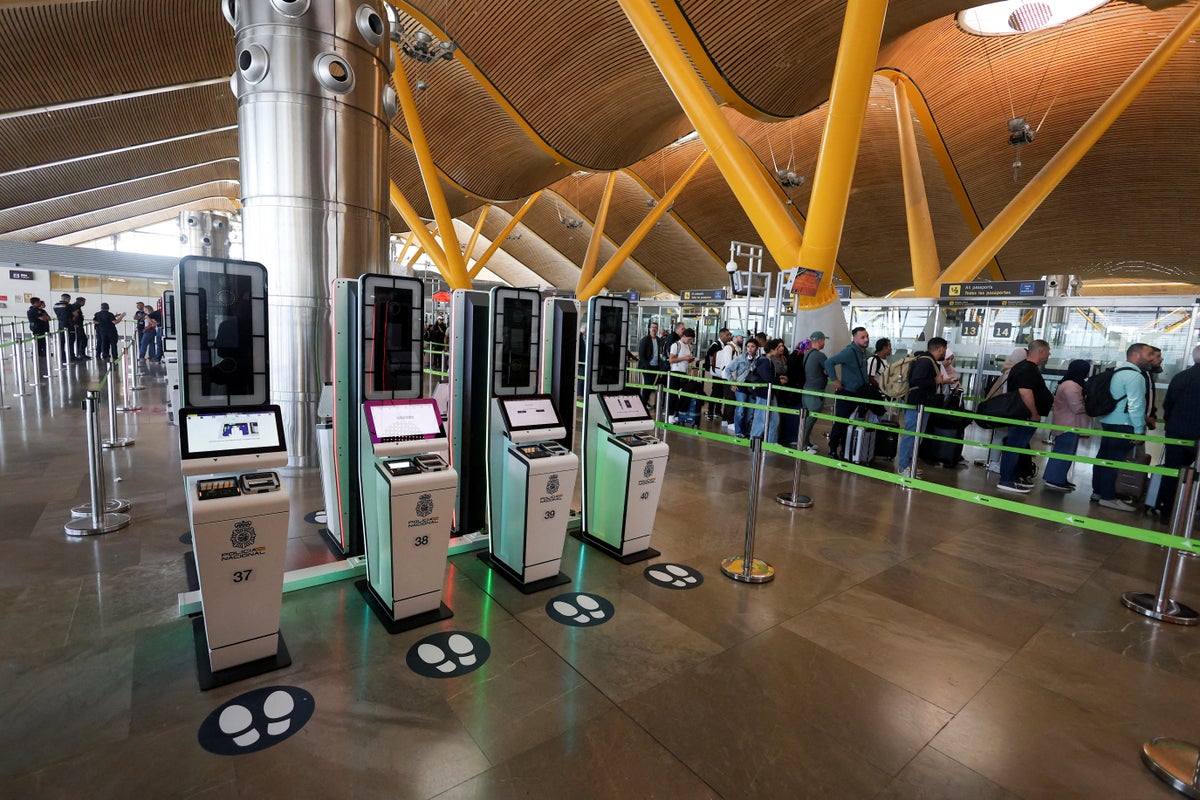
New EU border system triples times to get through passport control for UK

20 brilliant UK family days out for summer
Where tourists seldom tread, part 21: two northern powerhouses on the rise once more
Published 6d ago
Preston and St Helens were heartbeats of the industrial age, but their power faded. In the last of our series, we discover how their legacy is finally being celebratedWhere tourists seldom tread, parts 1-20This double act of “Lancashire” locations is my final celebration of Britain’s bypassed towns. My native county has dominated my life of late, and one key question asked in these columns has been: can you holiday right at home?The French author Xavier de Maistre believed you could fit a jou...


Costigliole d’Asti (seconda parte): il borgo dei castelli dove la storia dialoga con la Barbera

My search for the perfect ruin bar in Budapest

The Air India First Class Lounge Delhi Is Delightful… What A Treat!
100 Years of Route 66: The Road That Made America Great—Can It Do It Again?
Published 3d ago
As Route 66 celebrates its 100th anniversary, the Mother Road remains one of America's greatest tourism icons. From powering small-town economies to inspiring travelers from around the world, this eTurboNews opinion explores how Route 66 shaped the nation's identity, why its legacy still matters, and what the next century could hold. SOURCE: 100 Years of Route 66: The Road That Made America Great—Can It Do It Again? BY: eTurboNews

Tambourine’s MyHotel Acquisition Extends Its Reach Across the Hotel Commercial Technology Stack
Get $2,000-plus in travel with Chase Sapphire Preferred's 100,000-point offer
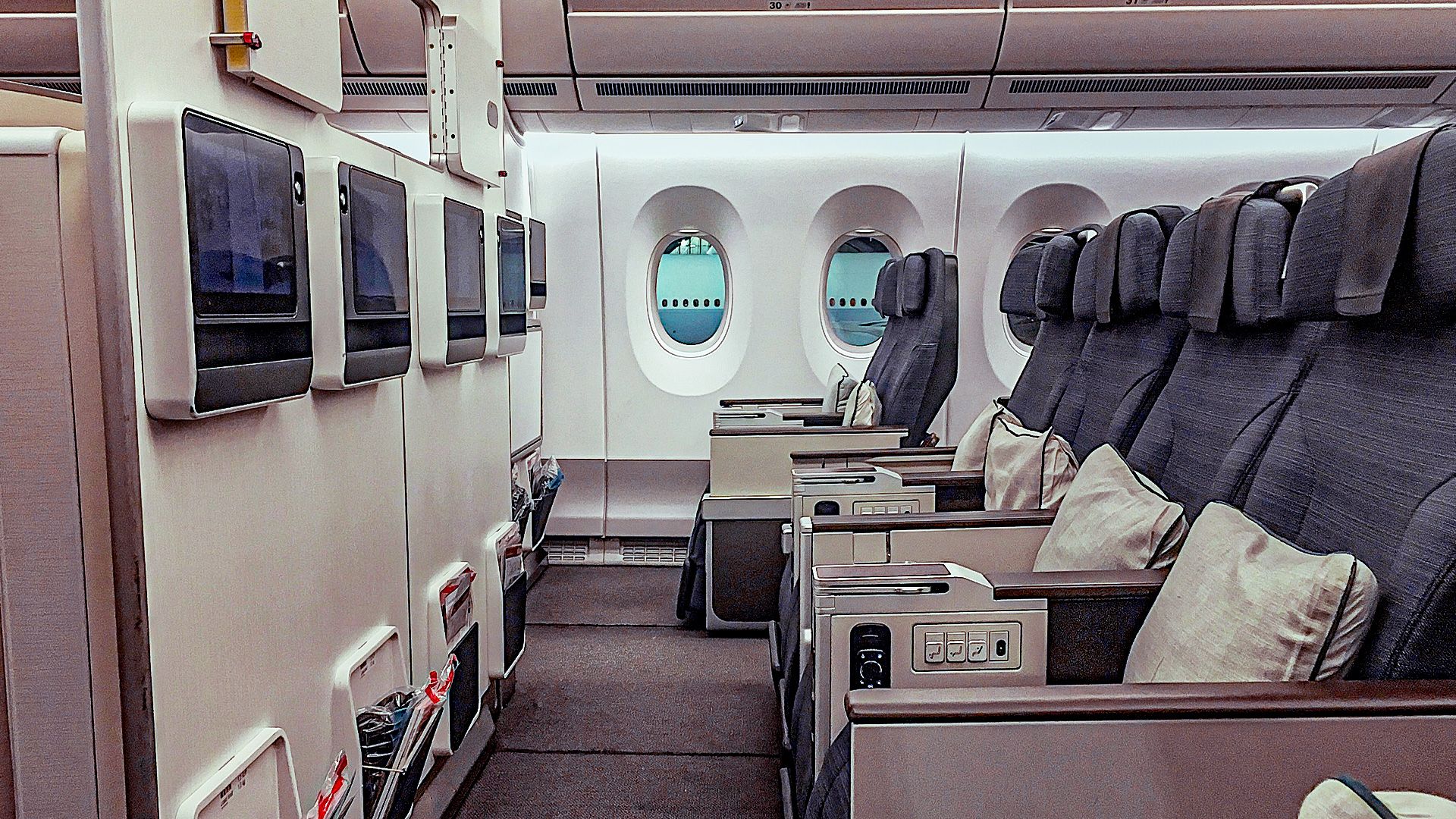
5 Airlines’ Premium Economy Seats With The World’s Longest Legroom In 2026
G6 Hospitality Launches AI-Powered Video Tours as Hotels Rethink Digital Merchandising
Published 3d ago
G6 Hospitality is giving Motel 6 and Studio 6 franchisees a lower-cost way to strengthen their online presence with the launch of Vision 360, an AI-powered video platform that transforms existing property photos into professionally [...] The post G6 Hospitality Launches AI-Powered Video Tours as Hotels Rethink Digital Merchandising appeared first on .

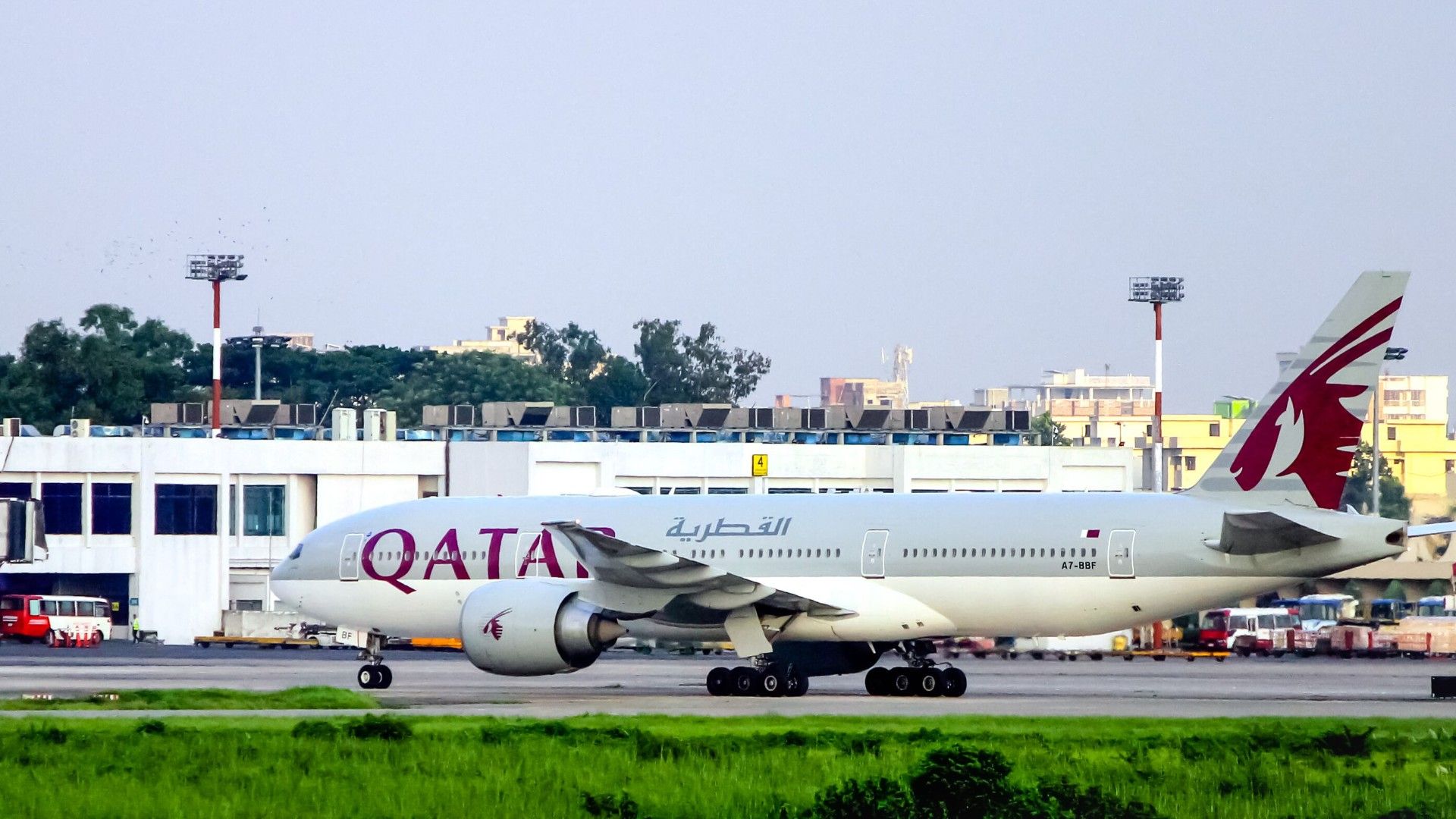
Why Qatar Airways Announced Then Abruptly Scrapped 1st Nonstop Las Vegas Flights

Airlines Are Now Selling Business Class Seats Like Smartphones: Inches & 4K Screens Replacing Soft Service
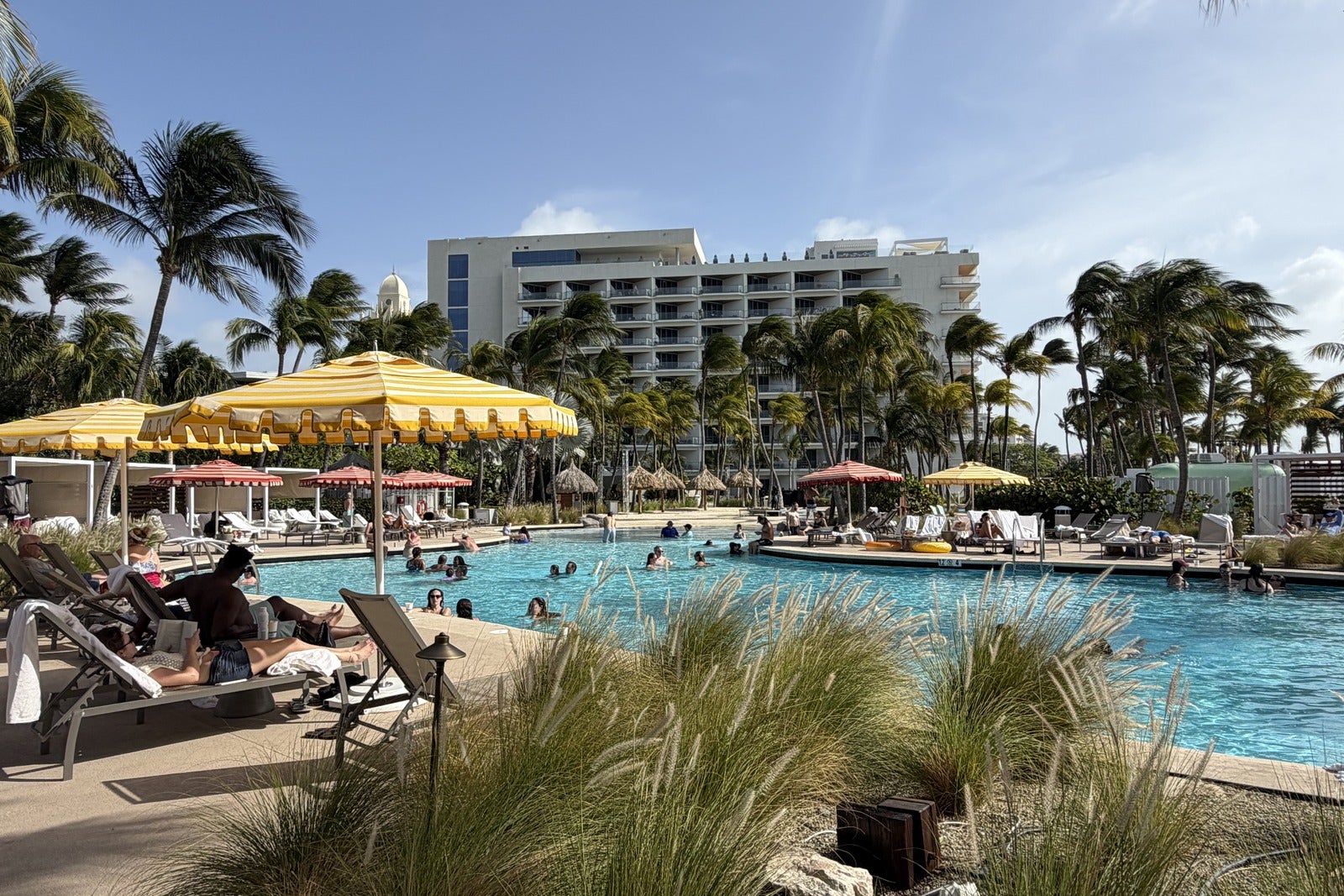
One of Aruba’s best points resorts just opened a boutique hotel-within-a-hotel
4 Of The Safest European Countries Worth The Splurge
Published 3d ago
We’re sure you’ve come across some of the horror stories coming out of Europe lately. Whether it’s the surge in street crime in London or the increasingly sophisticated scams targeting tourists in Paris, it’s easy to wonder whether the Old Continent is even worth emptying your savings account for, only to get pickpocketed on the … The post 4 Of The Safest European Countries Worth The Splurge appeared first on Travel Off Path.
Lodging Interactive Launches Celebrations Hub and Drives Untapped Social Event Revenue

Zeit ist der entscheidende Faktor: Wie Business Aviation Geschäftsreisen verändert

American Can Finally Unlock Its A321XLR Business Class Suite Doors… Gradually
Why Hotel Tech Companies Need to Spend More Time at Investment Conferences
Published 3d ago
There’s a famous quote often attributed to Henry Ford: “If I had asked people what they wanted, they would have said faster horses.” Whether he actually said it is almost beside the point. Customers are [...] The post Why Hotel Tech Companies Need to Spend More Time at Investment Conferences appeared first on .


I spent $350 after an airline delayed my bag — here’s how I got every dollar back
Turkmenistan Airlines 737 Business Class: Look At That Meal!
Published 3d ago
Hello from India, as I just wrapped up my Turkmenistan Airlines adventure. In the previous installment, I’ve covered my flight in Turkmenistan Airlines’ Boeing 777-300ER business class, as well as my odd transit experience at Ashgabat Airport (ASB).

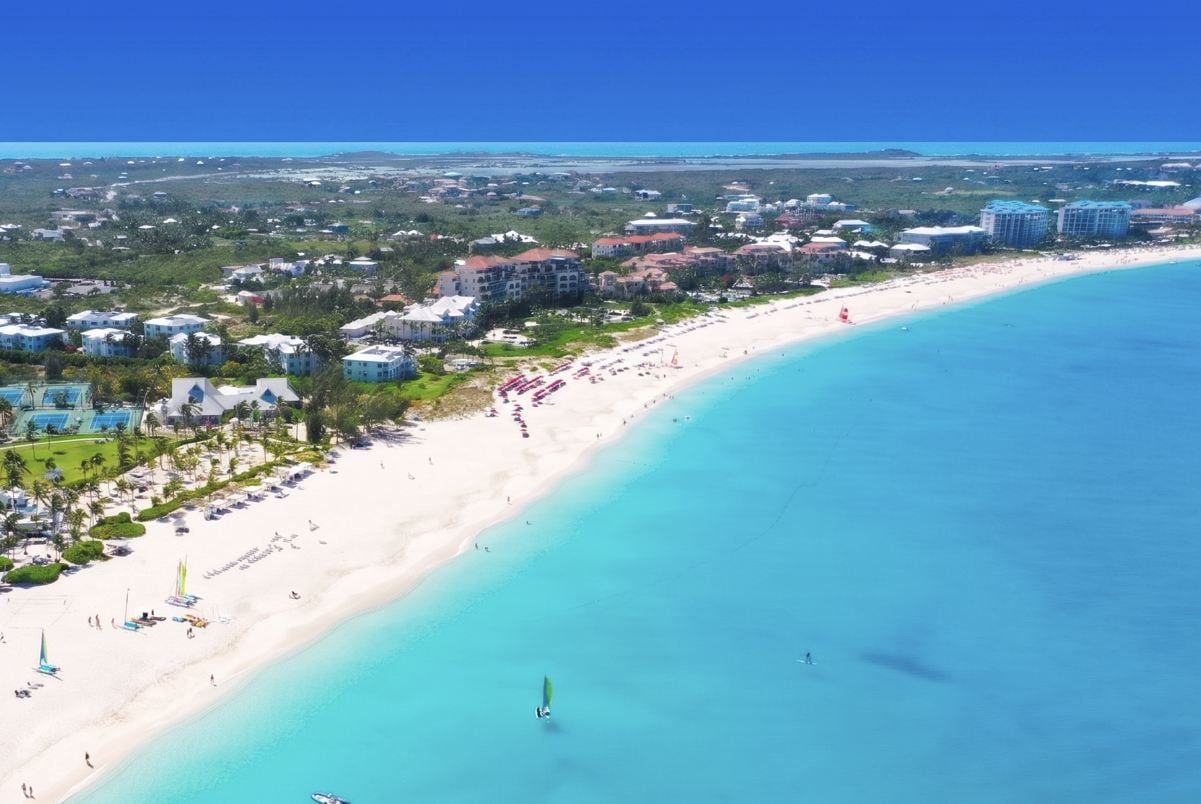
Americans Can Now Fly Nonstop To This Caribbean Paradise For The First Time Ever From These 3 Cities
Kazakhstan Records Tourism Boom with 15.7 Million Foreign Visitors
Published 4d ago
Kazakhstan welcomed a record 15.7 million foreign visitors, cementing its position as Central Asia's fastest-growing tourism destination. Improved visa policies, expanding airline networks, breathtaking natural attractions, and Silk Road heritage are fueling the boom, although infrastructure and global destination awareness remain key challenges. SOURCE: Kazakhstan Records Tourism Boom with 15.7 Million Foreign Visitors BY: eTurboNews

What American Airlines Should Have Done? STARLUX Airlines Receives “Silver Airsorayama” A350-1000
Iran-Israel-US Conflict Disrupts Gulf Aviation While Tourism Shows Resilience

How Canada’s Okanagan Valley Has Become a Luxe Playground for Wealthy Wine Lovers
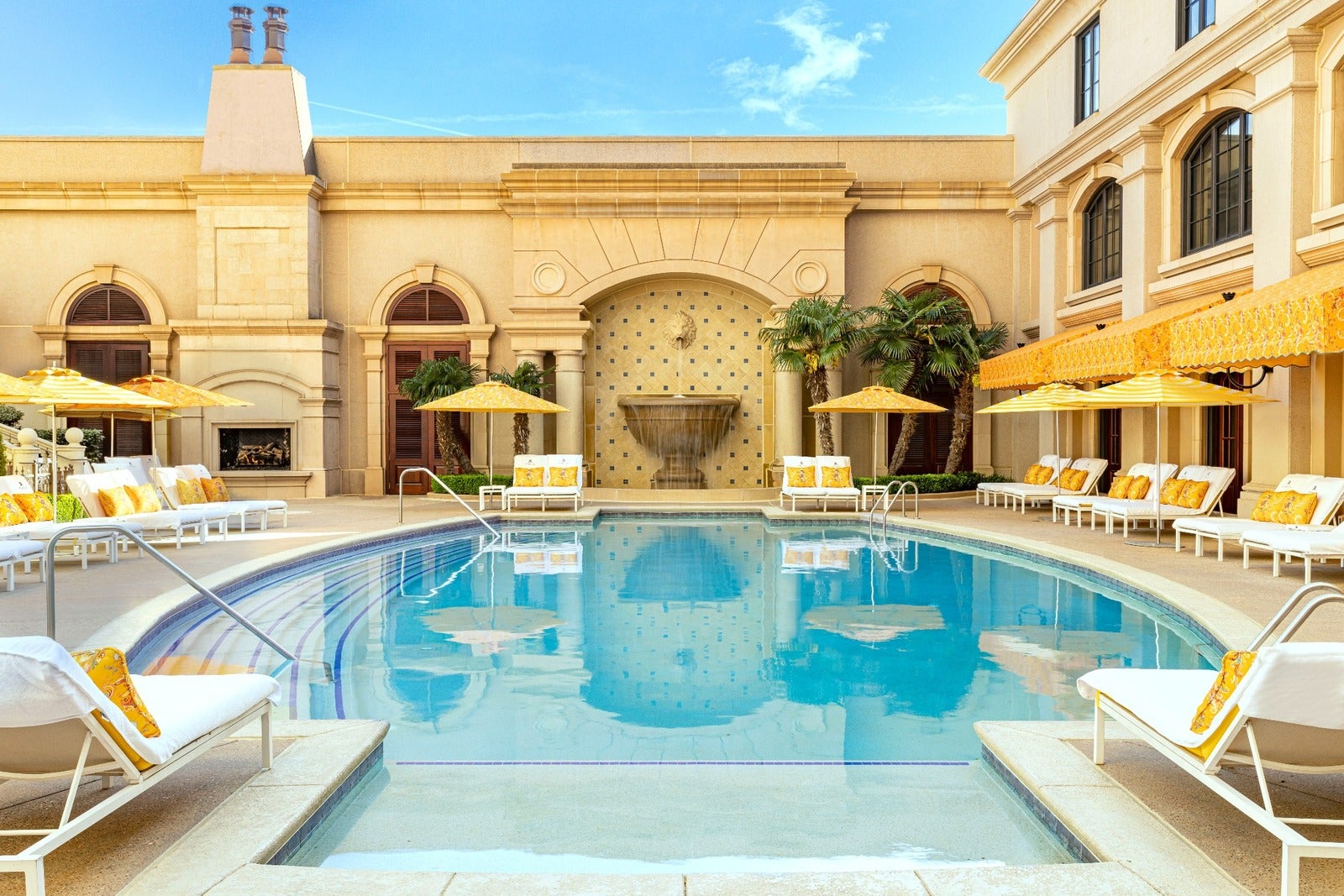
10 new and reimagined hotel pools worth diving into this summer

A Fleet of New and Restored J-Class Sailing Yachts Is Taking Over the Mediterranean This Year

Turkmenistan’s Ashgabat Airport: My Most Bizarre Transit Experience Ever

The 10 Safest Islands In The World Right Now According To Travelers

9 Popular Destinations Americans Must Pay A Separate Fee To Visit This Summer
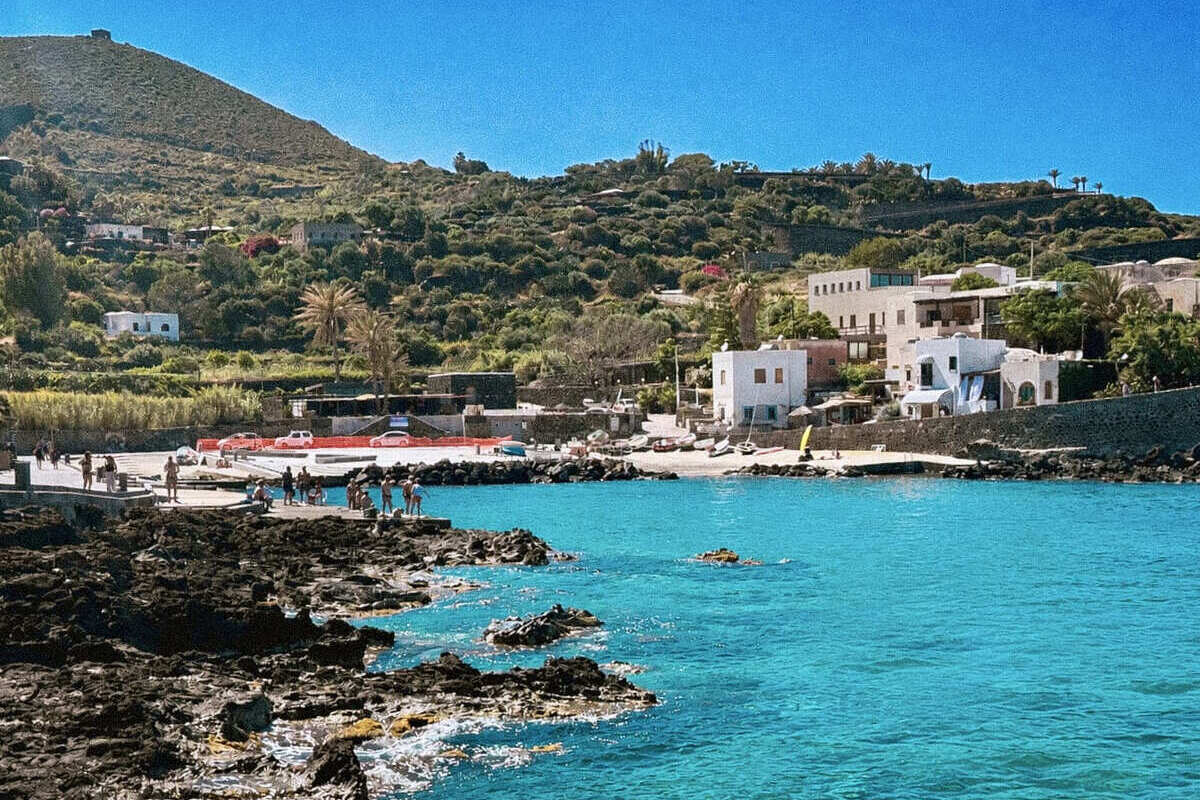
This Remote Island In Italy With Turquoise Waters Actually Wants More Tourists To Visit

United bolsters Newark hub with routes to Virginia, Arkansas, Tennessee and Nebraska

Ari Emanuel Is Assembling a Live Tourism Conglomerate

Not A Typo: Delta Charges $17.34 For 15+ Hour Business Class Upgrade

FAA Now Lets Boeing Self-Certify 737 MAX & 787, Decide If They’re Safe To Fly

7 Airports That Are So Beautiful, They're Destinations Themselves

Hospitality: investimenti in crescita e focus sugli hotel di fascia alta

Roma conquista il lusso: nuovi hotel a cinque stelle e investimenti internazionali

AI Hospitality Alliance Launches Eight Workstream Committees to Advance Industry Roadmap
Airbnb Partners With CarTrawler for Car Rentals in 5 Countries: Scoop
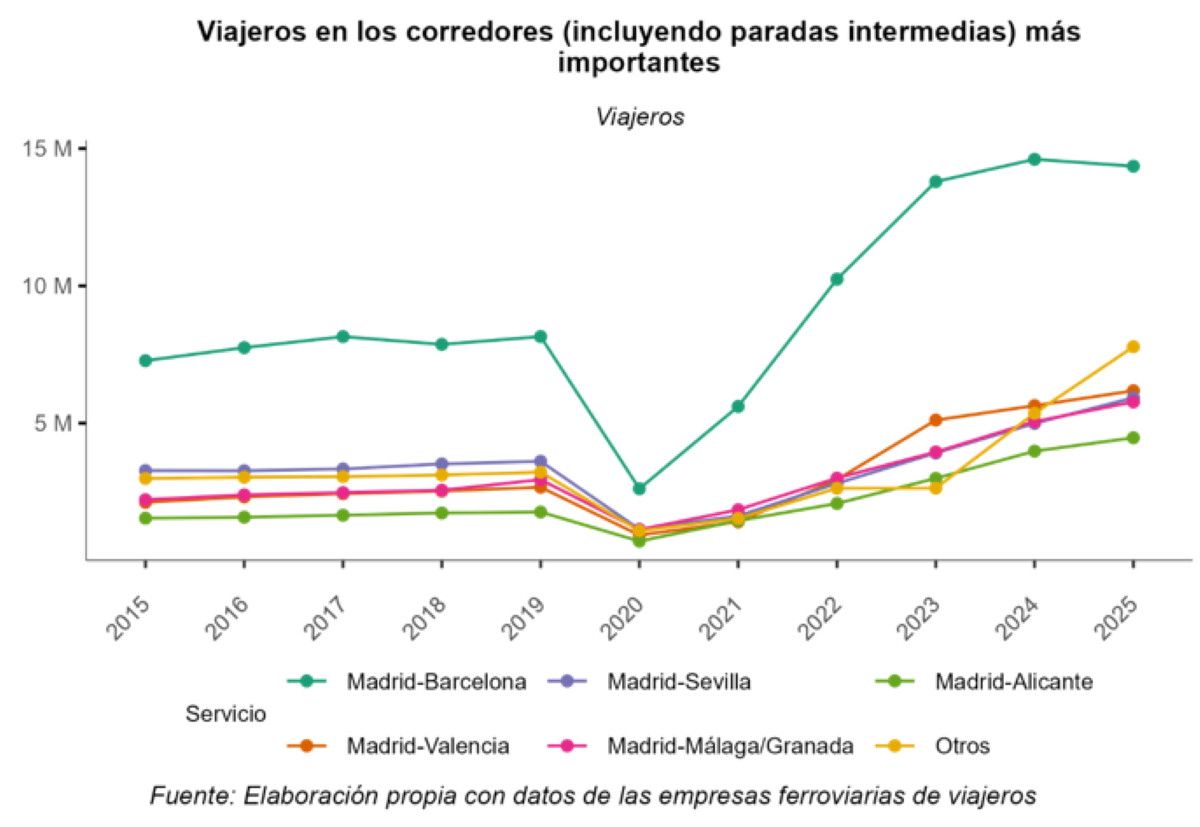
La alta velocidad duplica los usuarios del tren y rebaja los billetes un 40% con la competencia
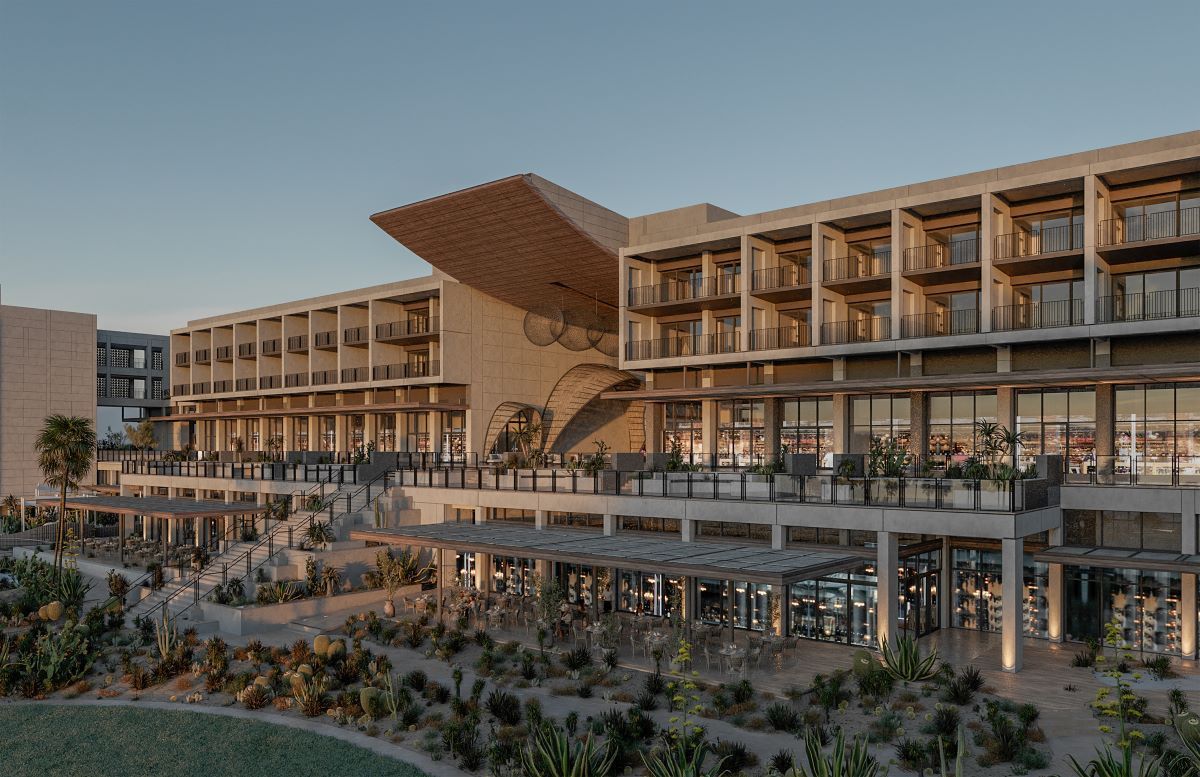
Hyatt abre en México sus marcas de lujo tradicional al todo incluido de alta gama

A Luxe Sardinia Hotel Just Opened a New Penthouse Suite. Here’s a Look Inside.
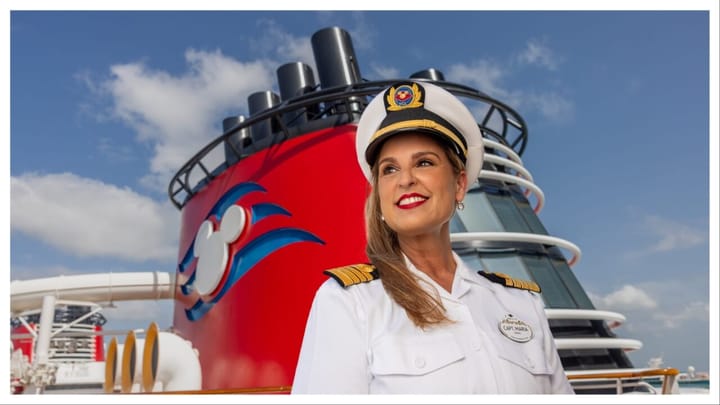
Maria Gotor becomes Disney Cruise Line's newest captain

My Fascinating Flight In Turkmenistan Airlines’ Mysterious 777 Business Class
Government Responds as JetBlue Ends Nonstop JFK Flights to Antigua
Jamaica’s Bartlett Calls for Stronger Community Tourism Under Tourism 3.0

Why Non&Hotel Brands Are Launching Hotels—and What It Means for Hospitality

Minor Hotels Africa Names Helga Deboeck General Manager of Anantara Bazaruto Island Resort

Simon Winchester Named Resort Manager at Sugar Beach, A Viceroy Resort

Bernardus Lodge & Spa Names Benjamin Duverge as General Manager

Owen S. Henry Jr. Appointed Hotel Manager at Jamaica Inn in Ocho Rios.

Hilton Names Jamal Massengale General Manager of DoubleTree by Hilton Hotel & Suites Jersey City

The Robotics Revolution and Asset 'Binary Divergence' & An Executive Summary of the 2027 Global Hotel Industry White Paper & By Dr. Tong Yin

The Travel Industry Was Banking on a World Cup Windfall. Here’s What the Numbers Show.
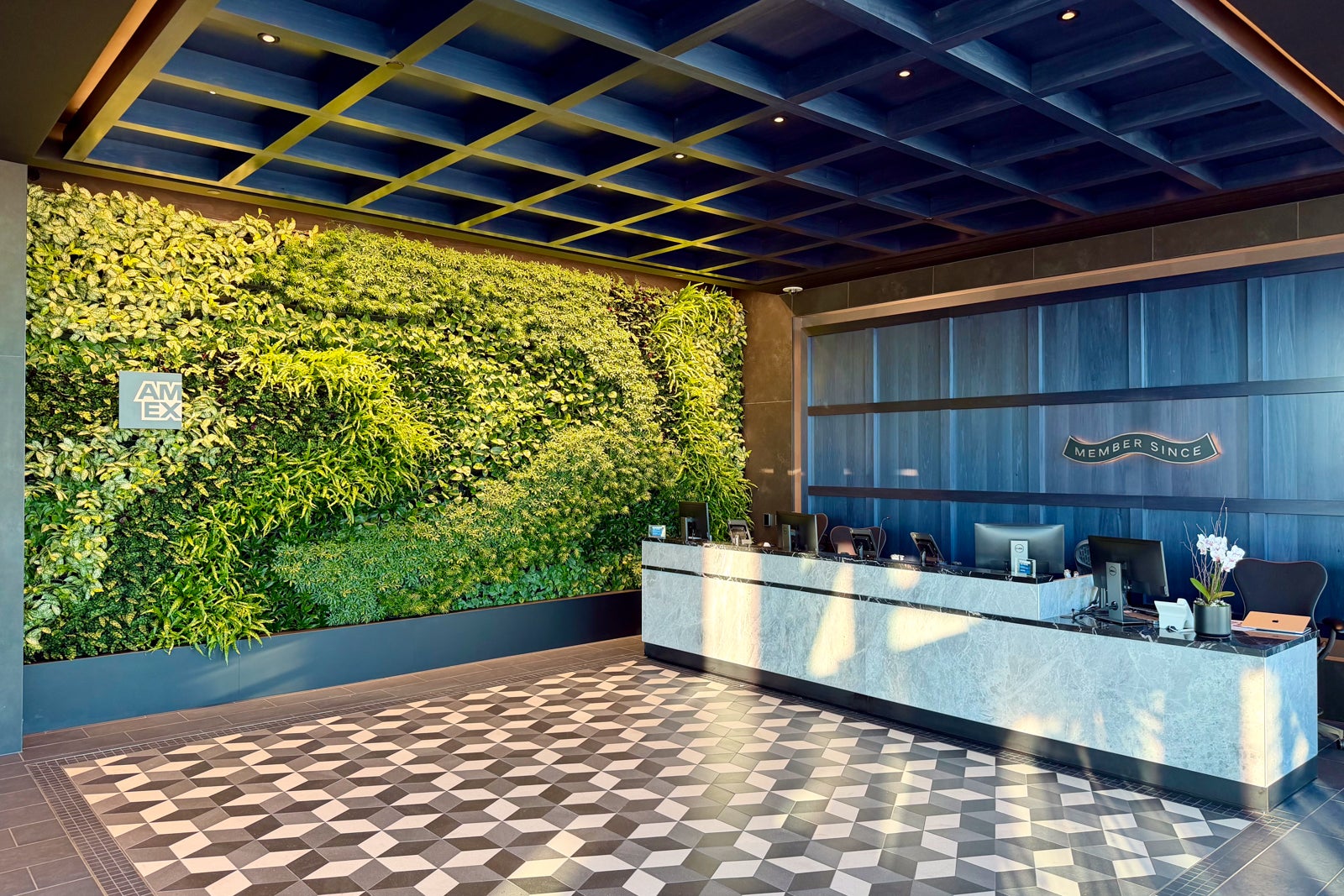
American Express Platinum: Valuable benefits and an offer as high as 175,000 bonus points

Europe May Finally Charge International Flights for Emissions — U.S. and China Get a Pass
.jpg)
The Best Hotels in Los Angeles Are Straight Out of Your Favorite Movies

Syracuse Revisited: Micron Project, Youth Sports, and a Changing Hotel Market & By Christian Cross

Study Finds AI's Real Threat to OTAs Lies in Profit Margins, Not Customer Loss

The best Marriott redemptions might not involve a hotel at all

9 Best Cape May Airbnbs to Book for a Jersey Summer

The World Cup Travel Matrix

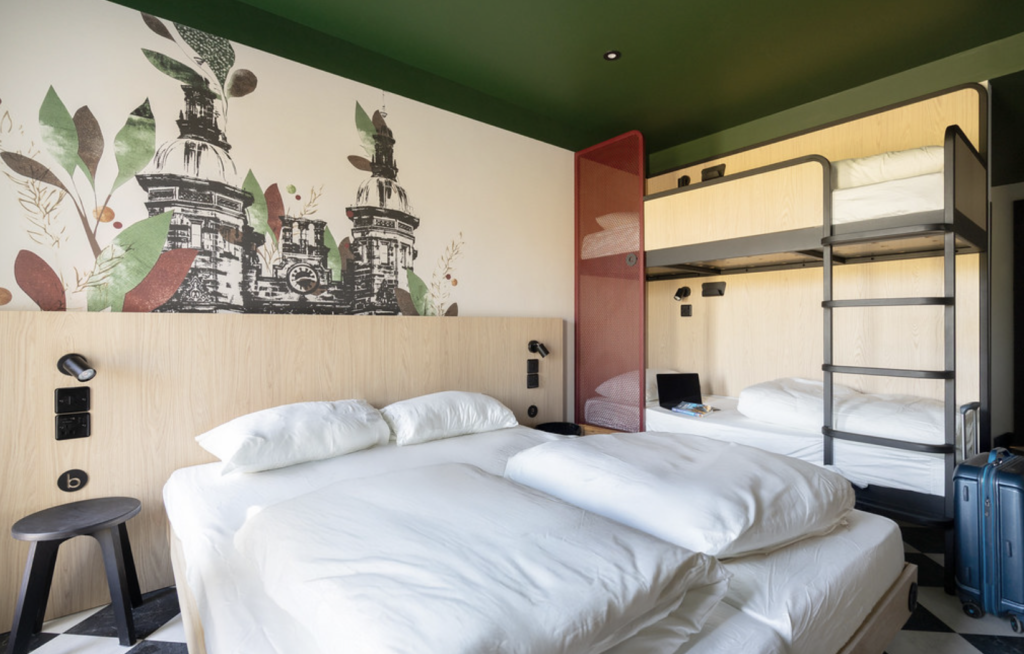
MEININGER Hotels to Open First Scottish Property in Edinburgh on August 5

IHG Signs Agreement to Open Regent Chengdu in 2029
Beauty Without Borders: Why Cosmetics Have Become Tourism’s Most Profitable Souvenir

The Lowline Hotel Opens on King Street in Charleston Under JdV by Hyatt Brand
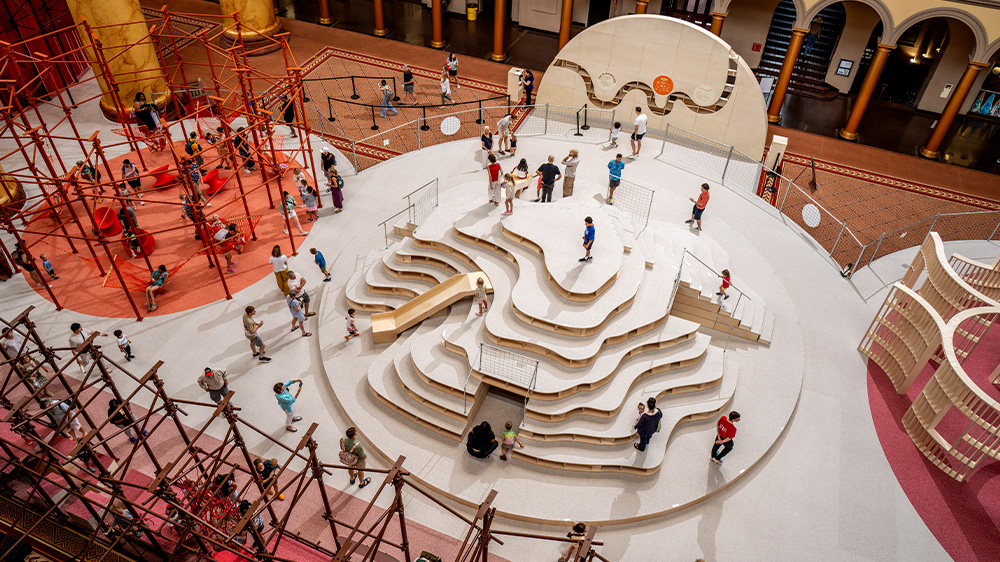
Five on Friday: July 17th, 2026

Luxury Hospitality Vs. Sustainability & By Chiara Mecacci

How to Spend the Perfect Day in Paris, According to Top Luxury Concierges
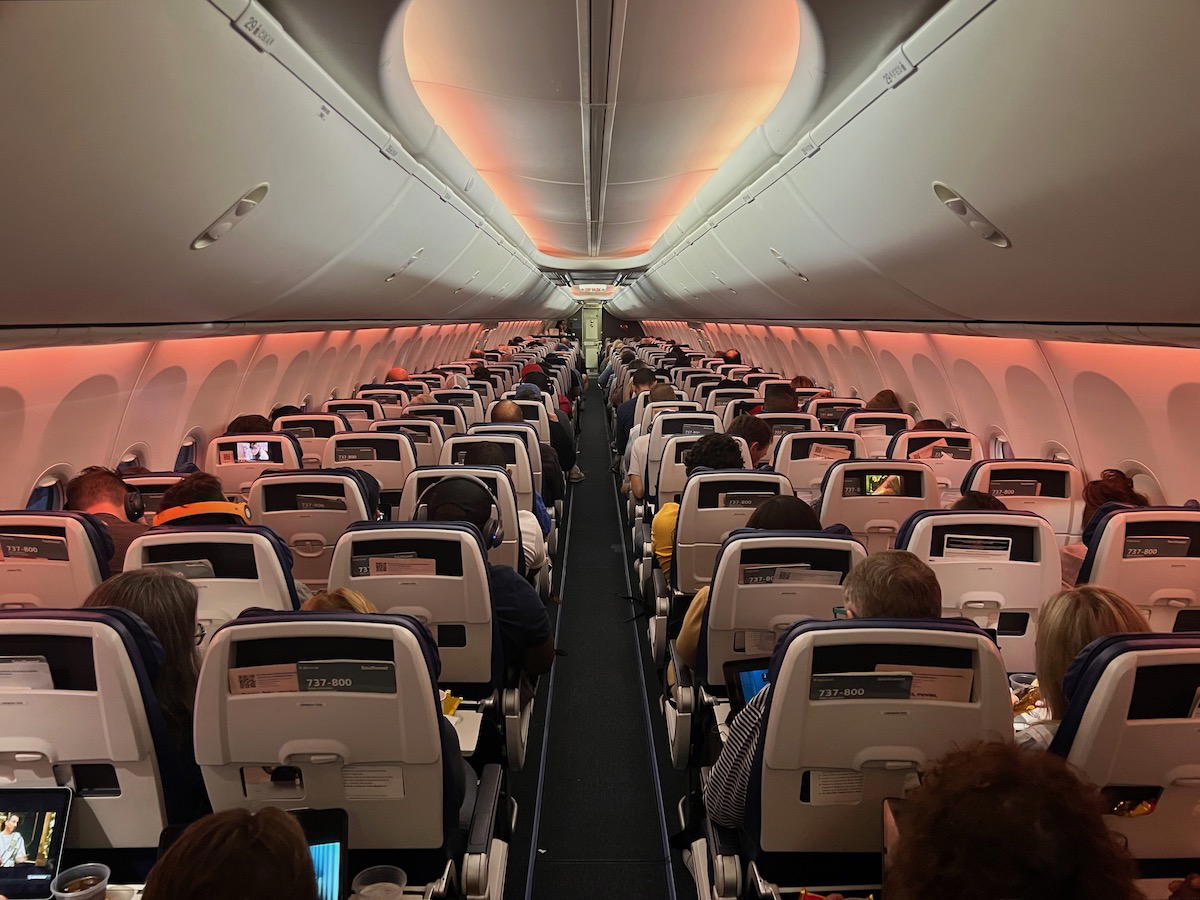
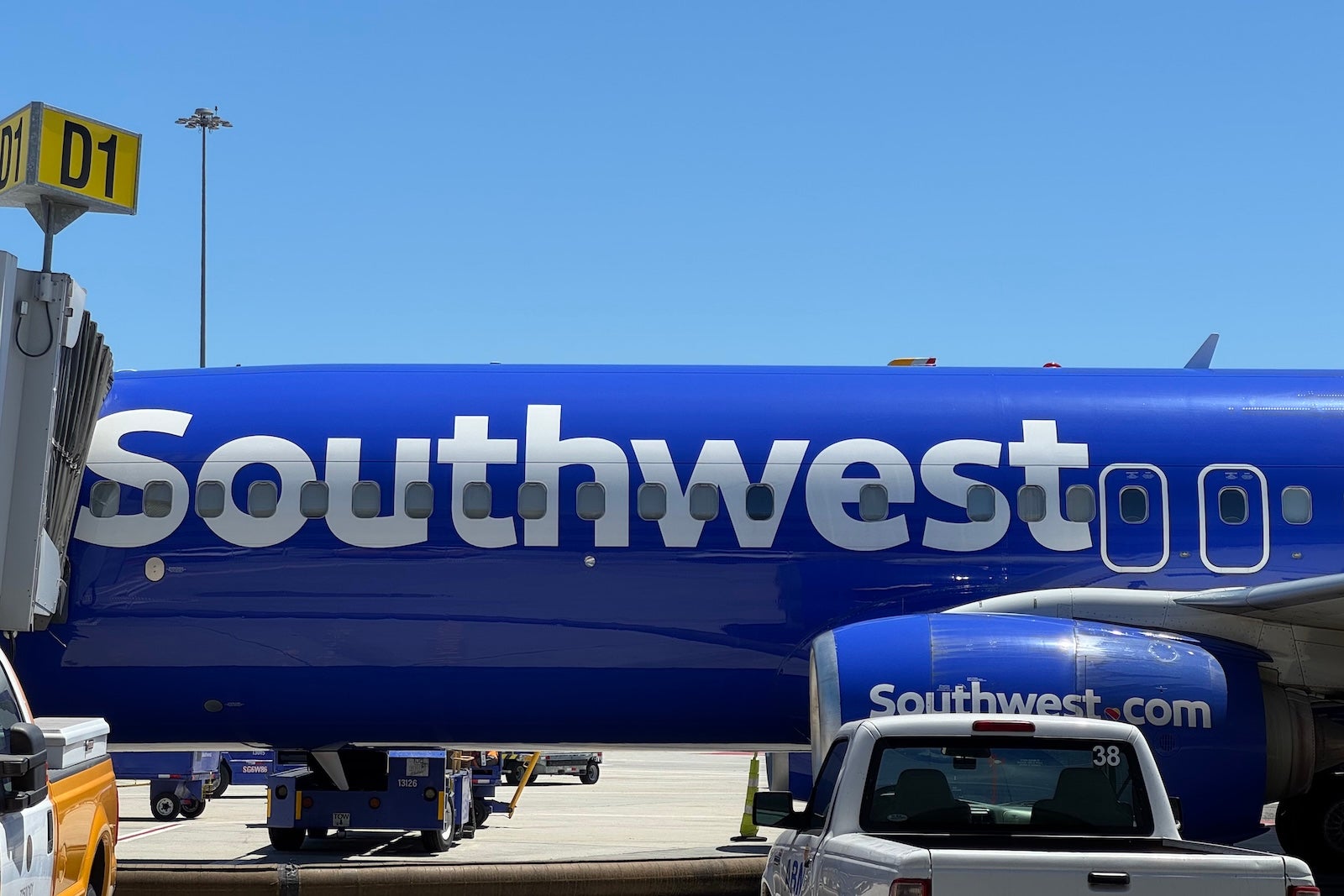
Southwest Unveils Its Most Unpleasant Flight Ever, A 2:45AM Reverse Redeye To Hawaii

New York Tops 2026 Global Tourism City Attractiveness Index
Aer Lingus ends Ireland service to 3 US cities, plans premium economy cabin

First look: Under Canvas Yosemite delivers a luxury camping experience you can book with points

Madrid’s Metrópolis Transformed into Hotel and Private Members’ Club

I Went to Napa for the Wine. I Stayed for the Burgerdog.

Credit card transfer bonuses (July): 100% to IHG, 50% to Qantas and Accor, 30% to Virgin Atlantic and more
HVS Webinar: How Will Hotel Operating Models Evolve and Change?

The Cruise for People Who Swear They’ll Never Take a Cruise
My favorite way to use my annual Capital One Venture X travel credit

GVI collapse tests confidence in voluntourism

I Flew Out Of The New Frankfurt Airport Terminal 3: Don’t Get Too Excited
Allegiant, Long an OTA Holdout, Signs an Exclusive Deal With Expedia
Durban chamber commends eThekwini for successful winter tourism season
Hotel Connectivity Is Now the Entry Condition for AI Distribution, Simone Puorto Says Hotels Don't Need More Software, Spain Eclipse Bookings Up 76%

Industry backs Mpumalanga upgrades
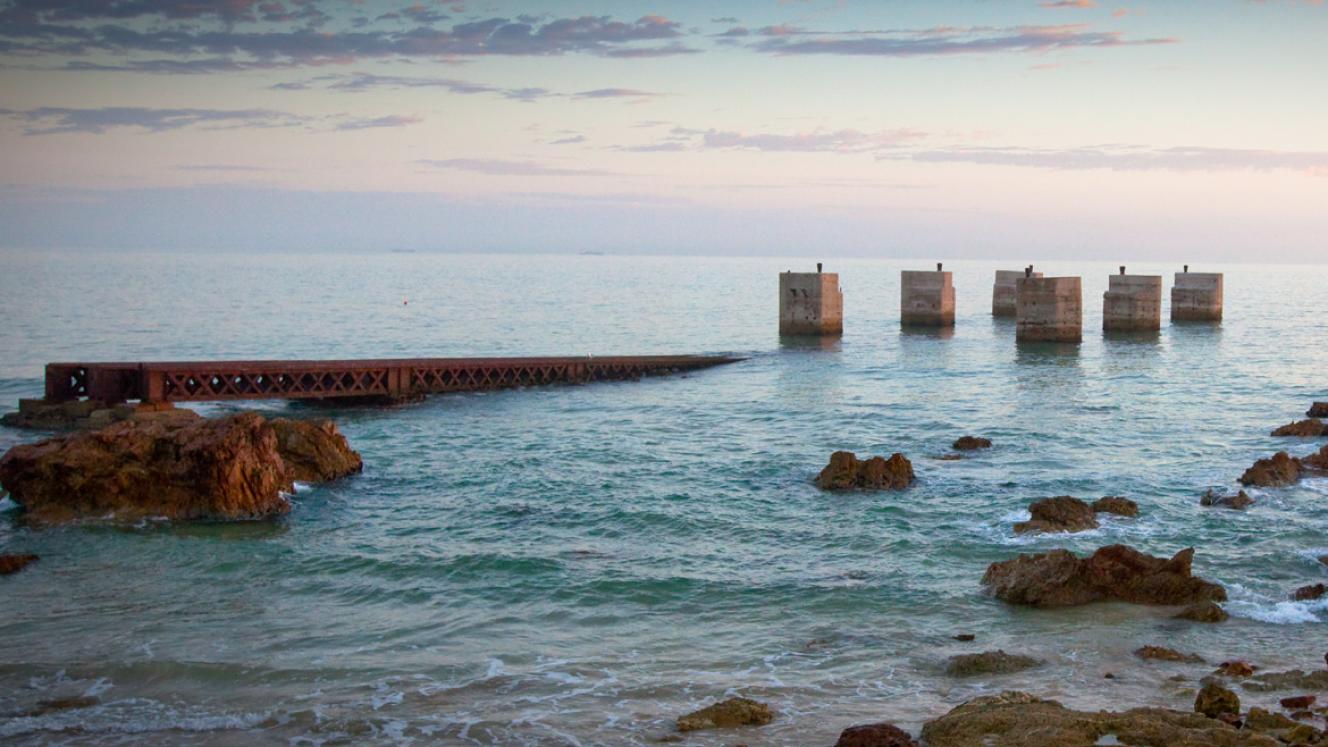
Nelson Mandela Bay cruise pax up 18%
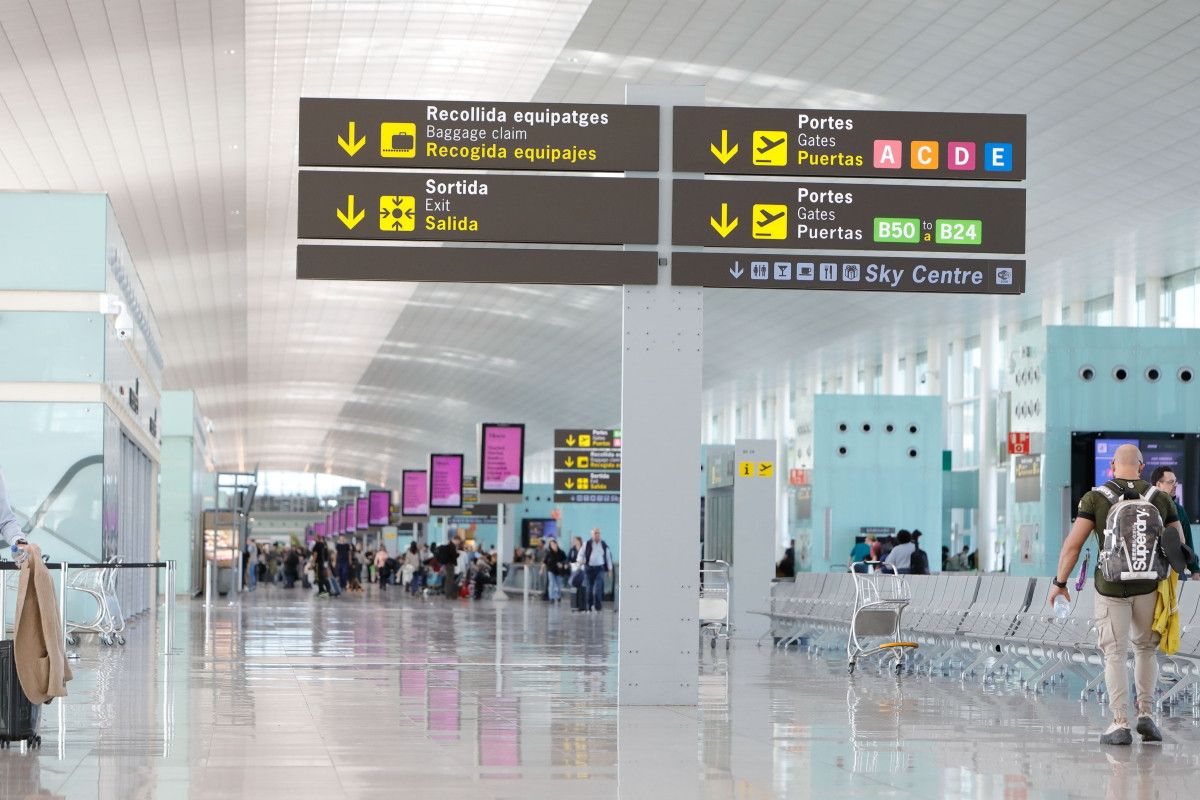
Aena invertirá 153 M € en la mayor transformación de la T2 del aeropuerto de El Prat
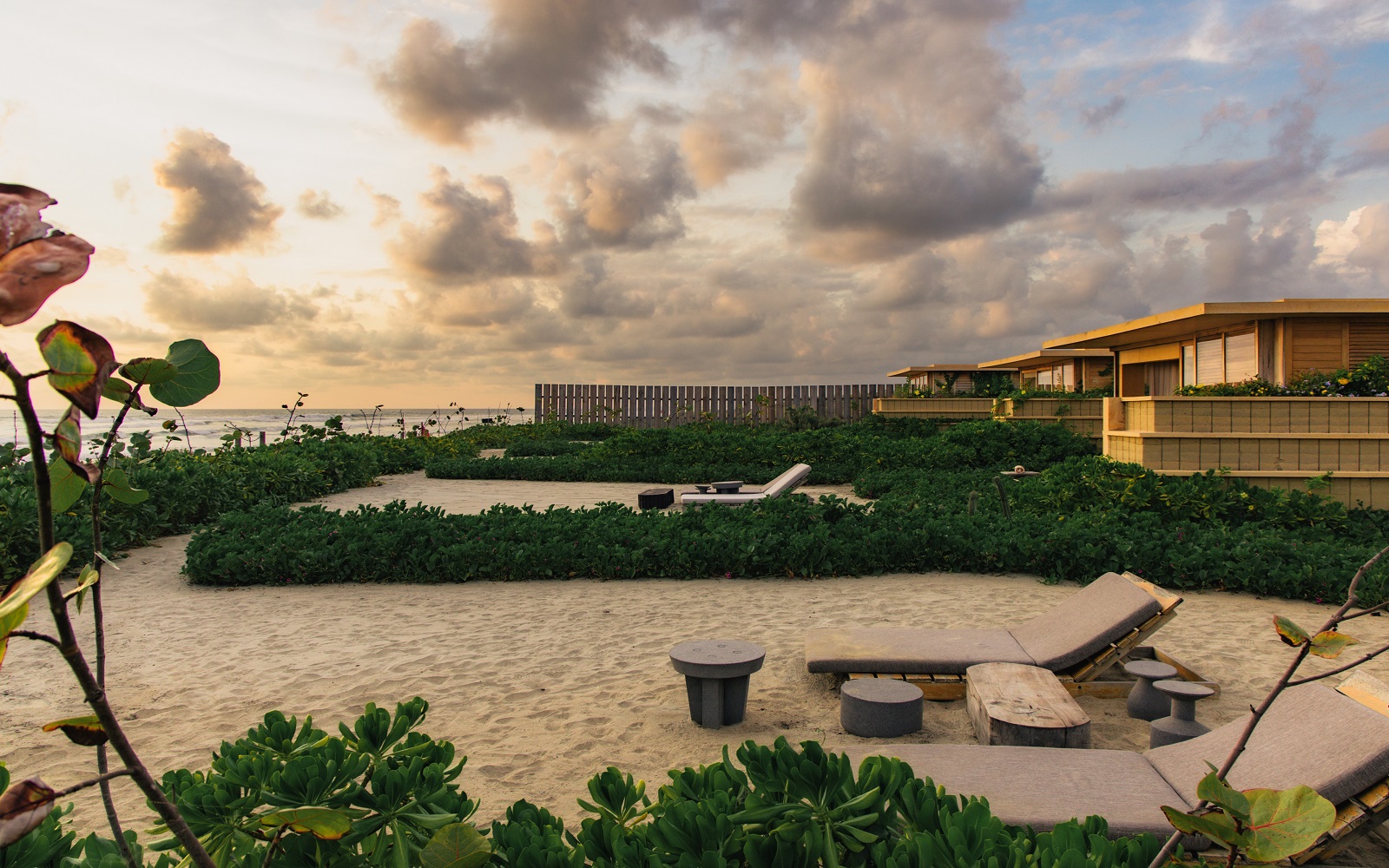
Kymaia – between the sound of waves and the fragrance of the Oaxacan jungle
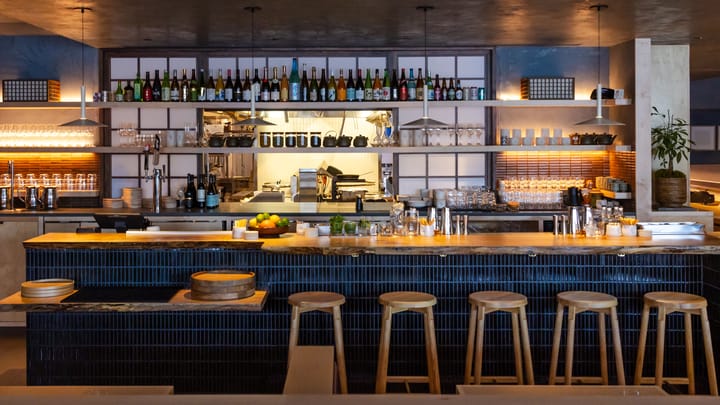
MML Hospitality has opened Neighborhood Sushi in Dallas, with more concepts on the way

I Flew Lufthansa’s 787 Allegris Business Class: It Was Pretty Good, With Several Misses
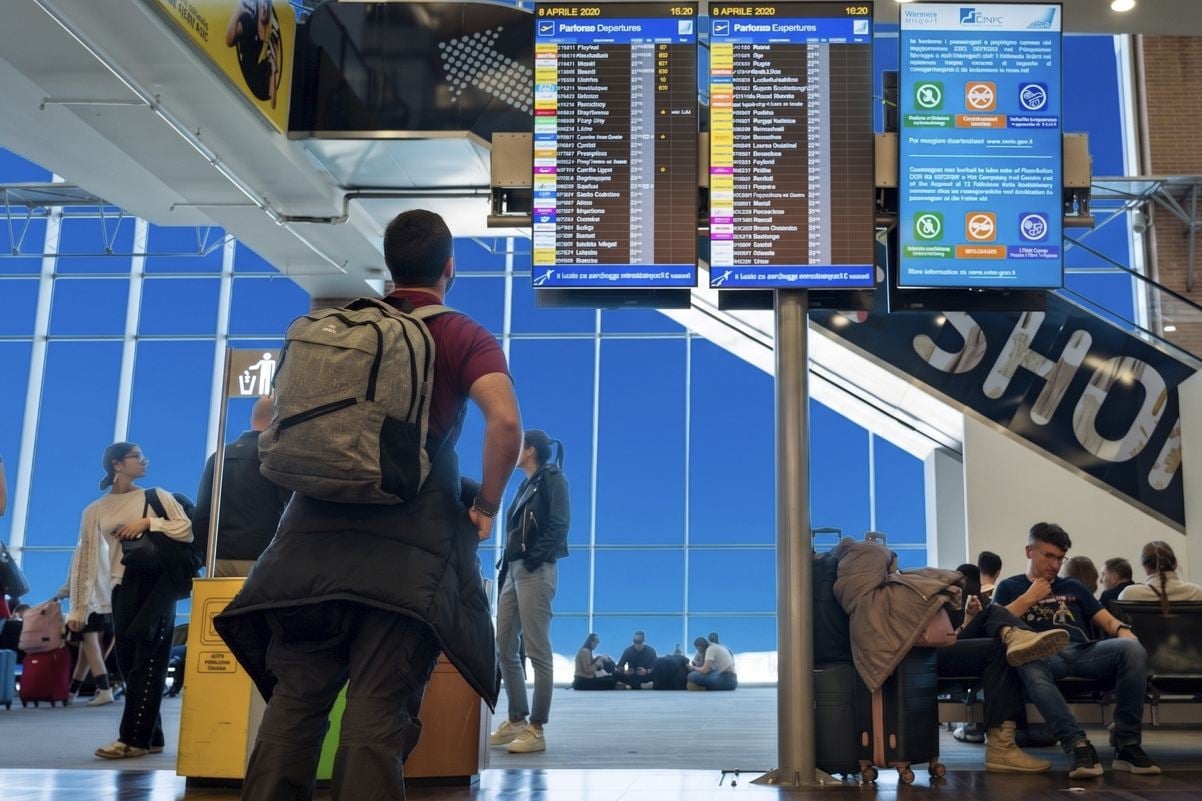
6 Reasons Why Americans Are Being Denied Entry To Their Favorite Tourist Destinations
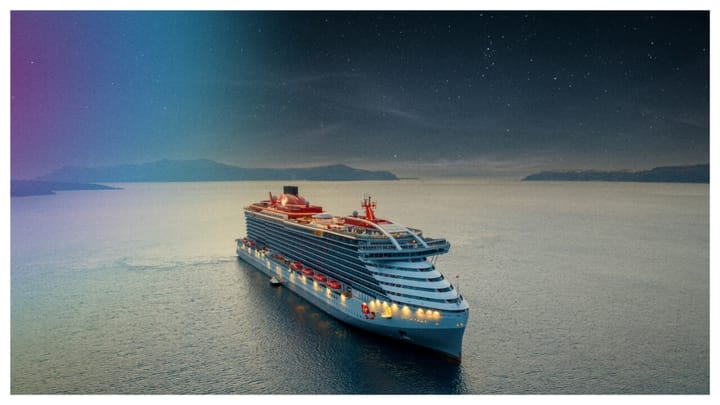
NASA astronauts to enliven Virgin's solar eclipse voyages

MSC Cruises Now Sails in Alaska—Here's What to Expect, On Board and Off

From Roaming to eGates: What Benefits Will The UK-Switzerland Trade Deal Bring for Travellers?
Grand Metropolitan Hotels to separate from VZB joint venture
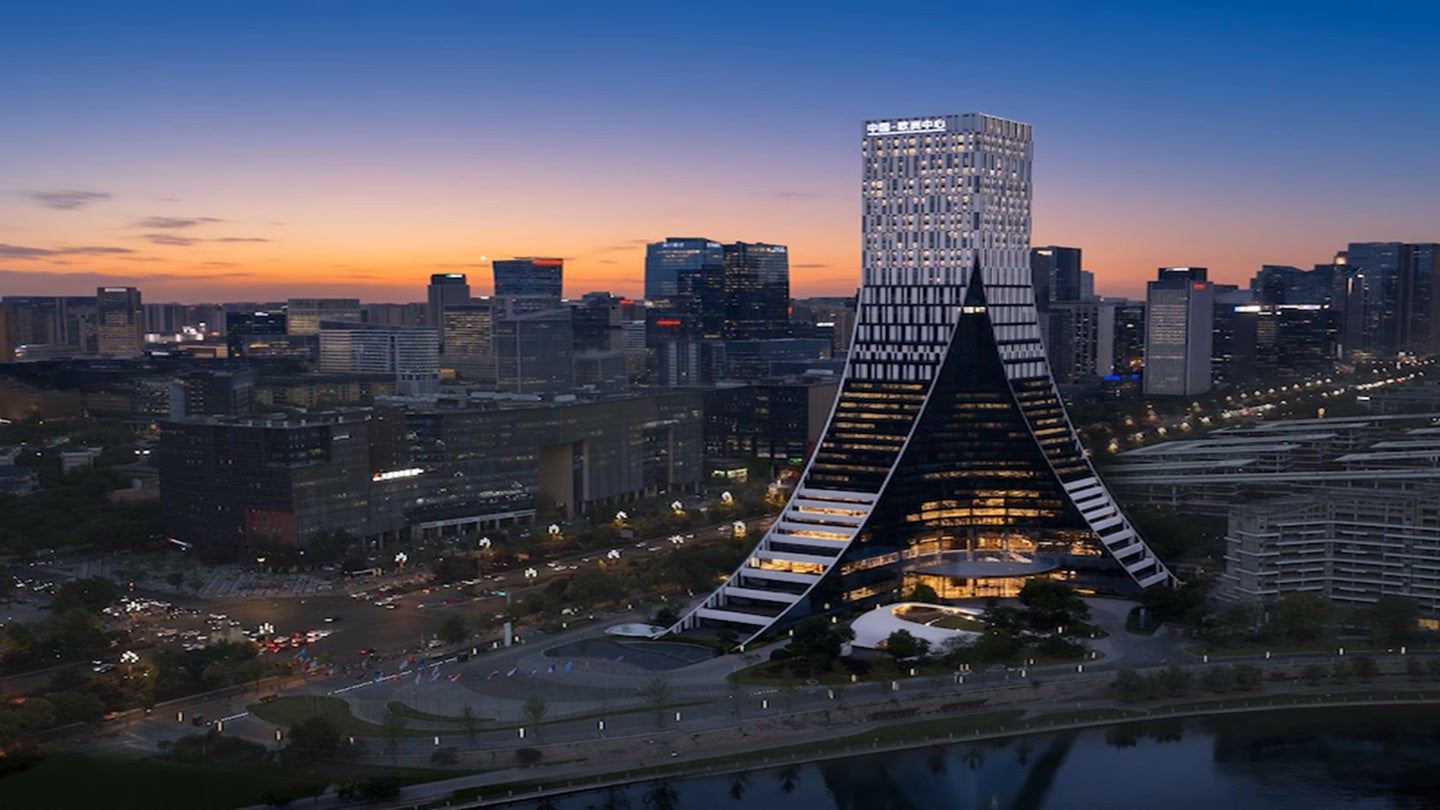
Radisson Collection opens first hotel in Chengdu, China
Ashford Hospitality Trust sells Fremont Marriott Silicon Valley for $53M

Hotel Review: The Drey, London
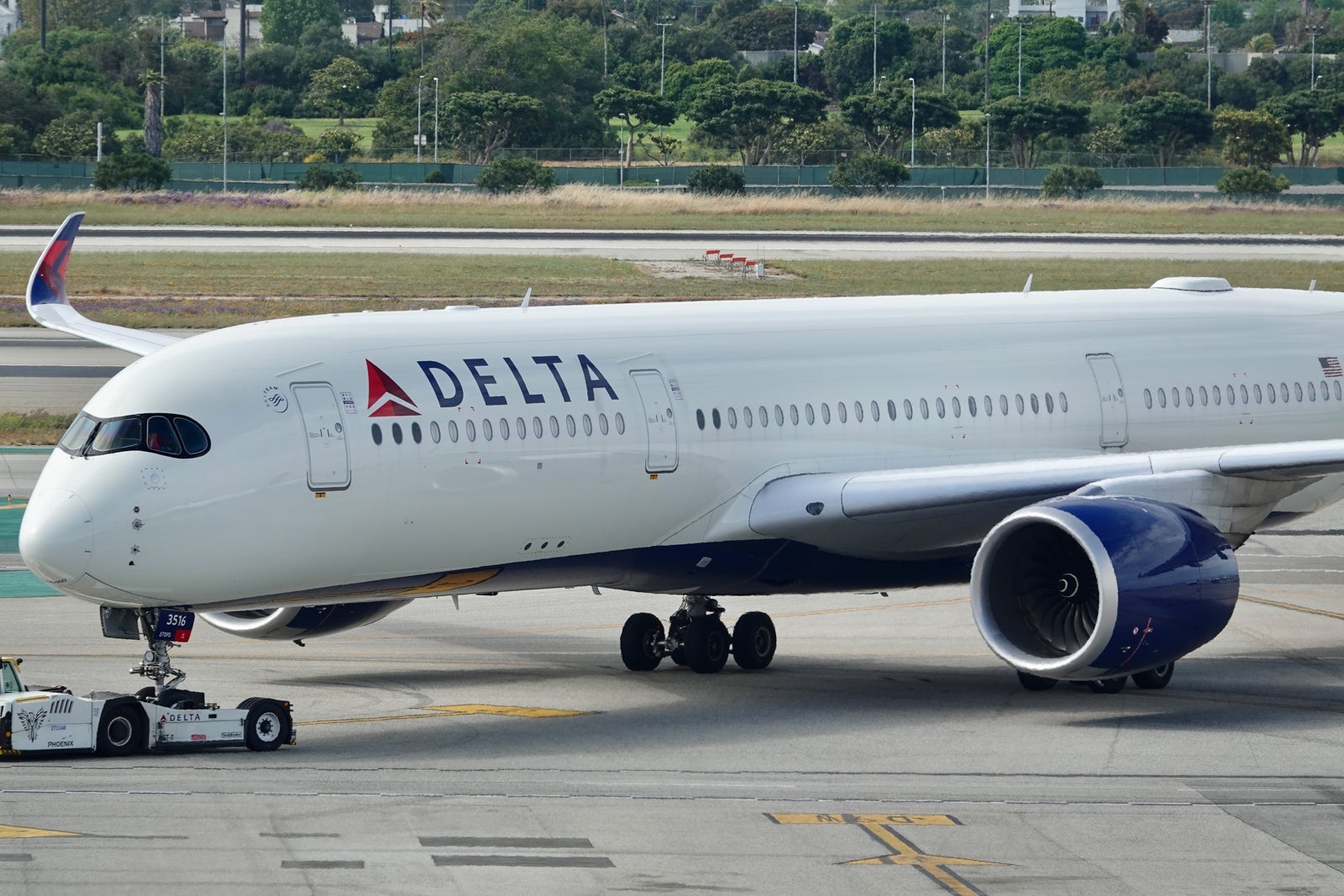
Delta expands Pacific map from LAX, adds nonstop Philippines route for 2027

The Best Airbnbs in Los Angeles for Beach Days, Star Spotting, and Plenty of Sunshine

Delta Opens New Transpacific Route From Los Angeles to Manila
10 signs your hotel needs F&B mobile ordering now - and the solutions to fix them
The Financial Blind Spot in Vacation Rental Management
The World’s Oldest Loyalty Program: What Animal Migration Teaches Global Tourism Leaders
Lorenza Maggio è la Nuova CEO di Brussels Airlines
Catalonia Hotels AND Resorts gana músculo financiero para acelerar su expansión

Two Planes Have Bizarrely Close Call Over Atlantic, Triggering TCAS Alert

Nature as interior: Coworth Park debuts new stable and cottages
The new 'airport lounge' that'll be free to enter — but you won't find any Diet Coke inside
The Balmoral appoints John Munro as head chef of flagship restaurant Number One
BWH signs three new independent UK hotels
W Hotels launches first property in Saudi Arabia
MEININGER to make UK debut this summer
Southwest unveils blockbuster 15-route expansion for March, covering 20 cities

AltoVita incorporates in Australia
Simone Puorto: The hotel industry does not need more software

Huh: ICE Agents Handcuff Man At Las Vegas Airport, Then Run Off Mid-Arrest

W Hotels debuts in Saudi Arabia with W Riyadh – KAFD

Delta Launching Los Angeles To Manila Flights In 2027, As Part Of New Asia Push
How Cloudbeds and X Hospitality are helping The Blue Hotel redefine Australian hospitality

Langham Hospitality Group expands food waste programme
Shiji releases Q2 2026 Guest Experience Benchmark: Global satisfaction continues to rise as hotels respond faster and engage guests more effectively
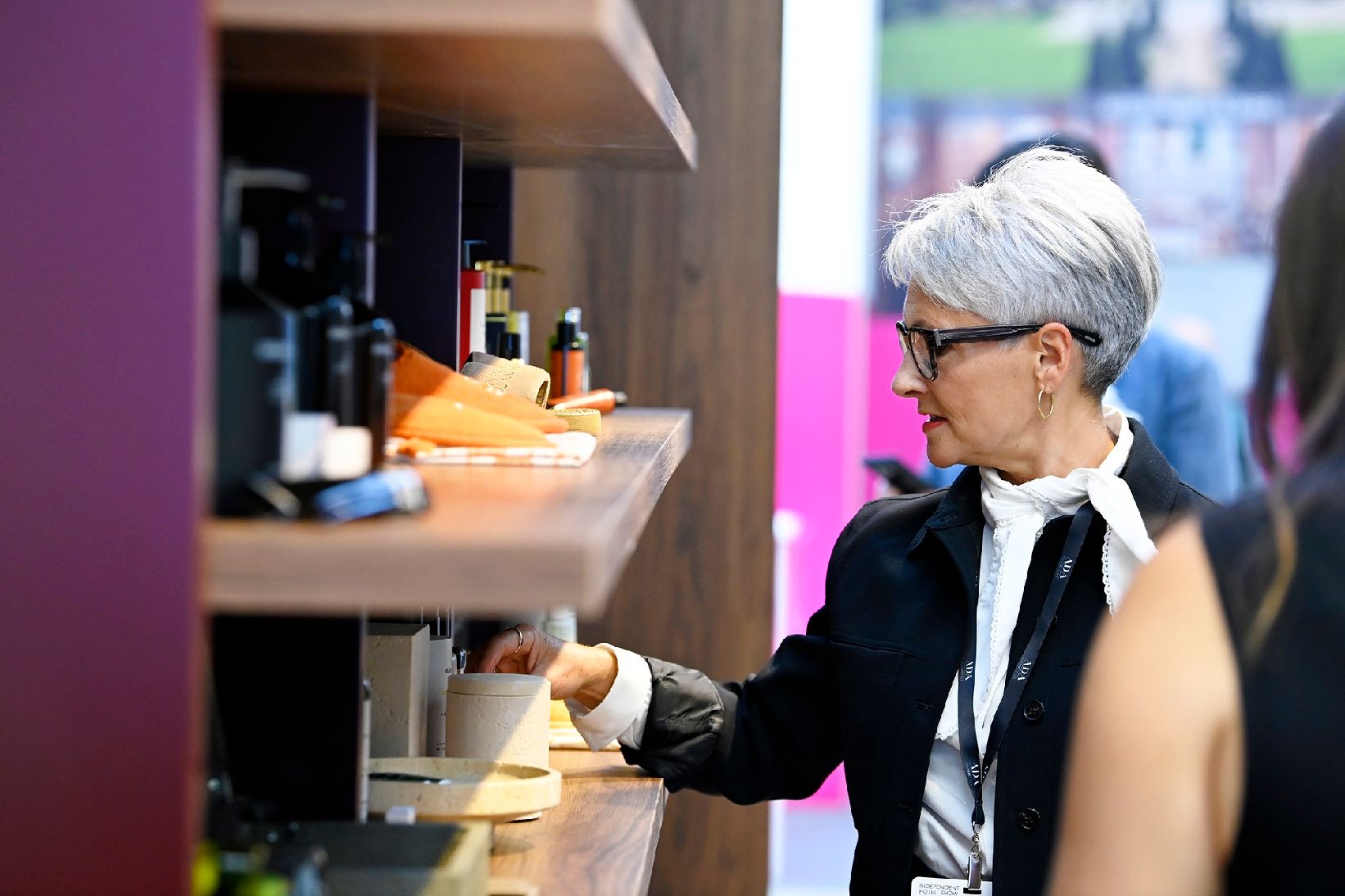
Independent Hotel Show London opens for registration
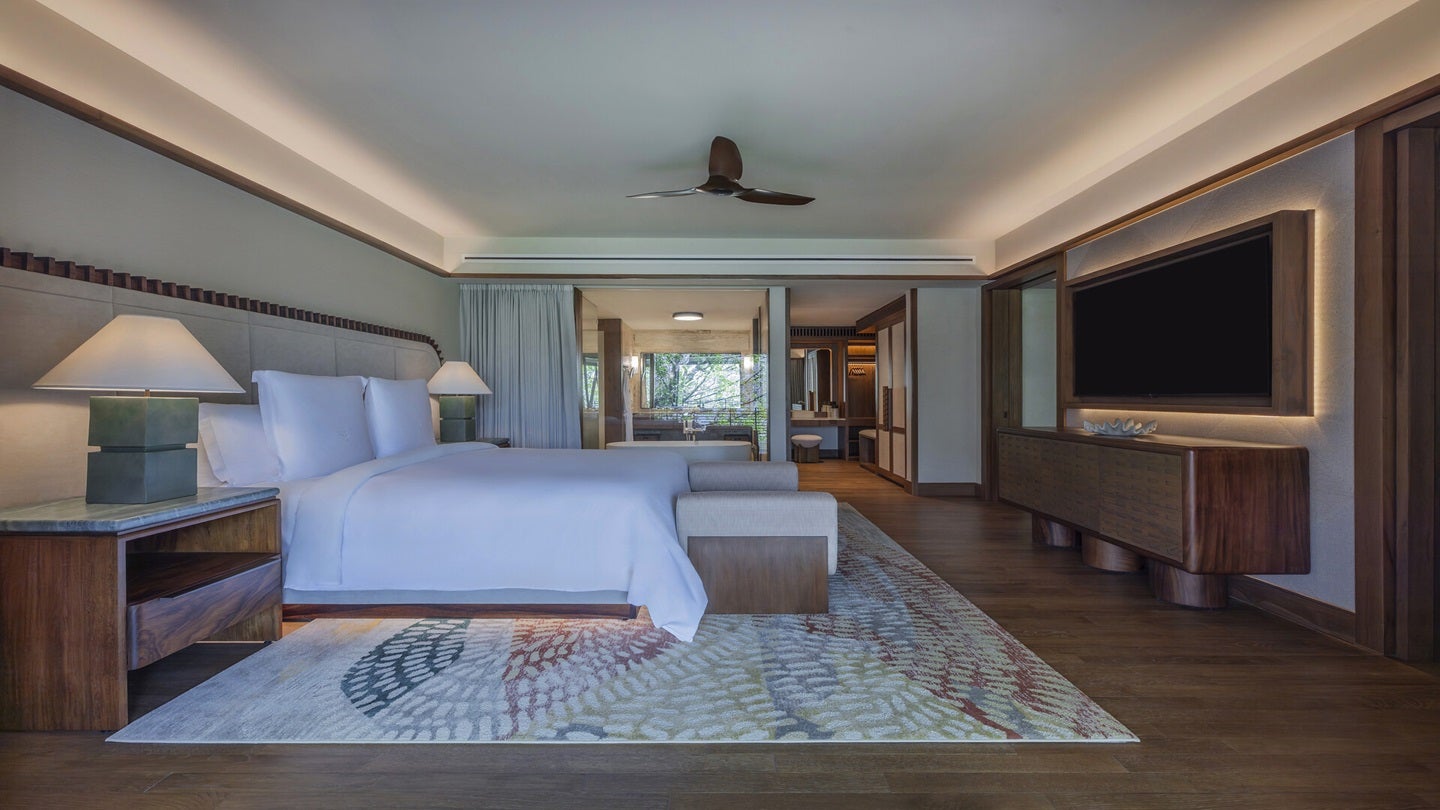
Four Seasons Resort Peninsula Papagayo plans major upgrade
Heated outdoor spaces give hotels a competitive edge

Trevium and Pliant launch finance-ready travel payments
GPH acquires Royal Caribbean stakes in Kusadasi, Lisbon ports
SiteMinder: Total solar eclipse drives up to 76% growth in bookings for Spain’s hotels

MHL Hotel Collection Acquires Crowne Plaza And Holiday Inn Express Dublin Airport
The World's Top Hotel Brands Are Quietly Building a $40,000 Cruise Category
Mundial de Fútbol: Iberia refuerza su programación con un vuelo especial a Nueva York
Beyond the Script: Rethinking Hospitality Education

14 best dog-friendly hotels in the UK 2026

Digital Remedy and Arrivalist link media spend to visitation
La Vie Hotels & Resorts signs landmark agreement to Manage the Gold Coast's First Westin Hotel
Ireland Enacts Law To Lift Dublin Airport Passenger Cap
When AI Serves the Guest, Hospitality Wins
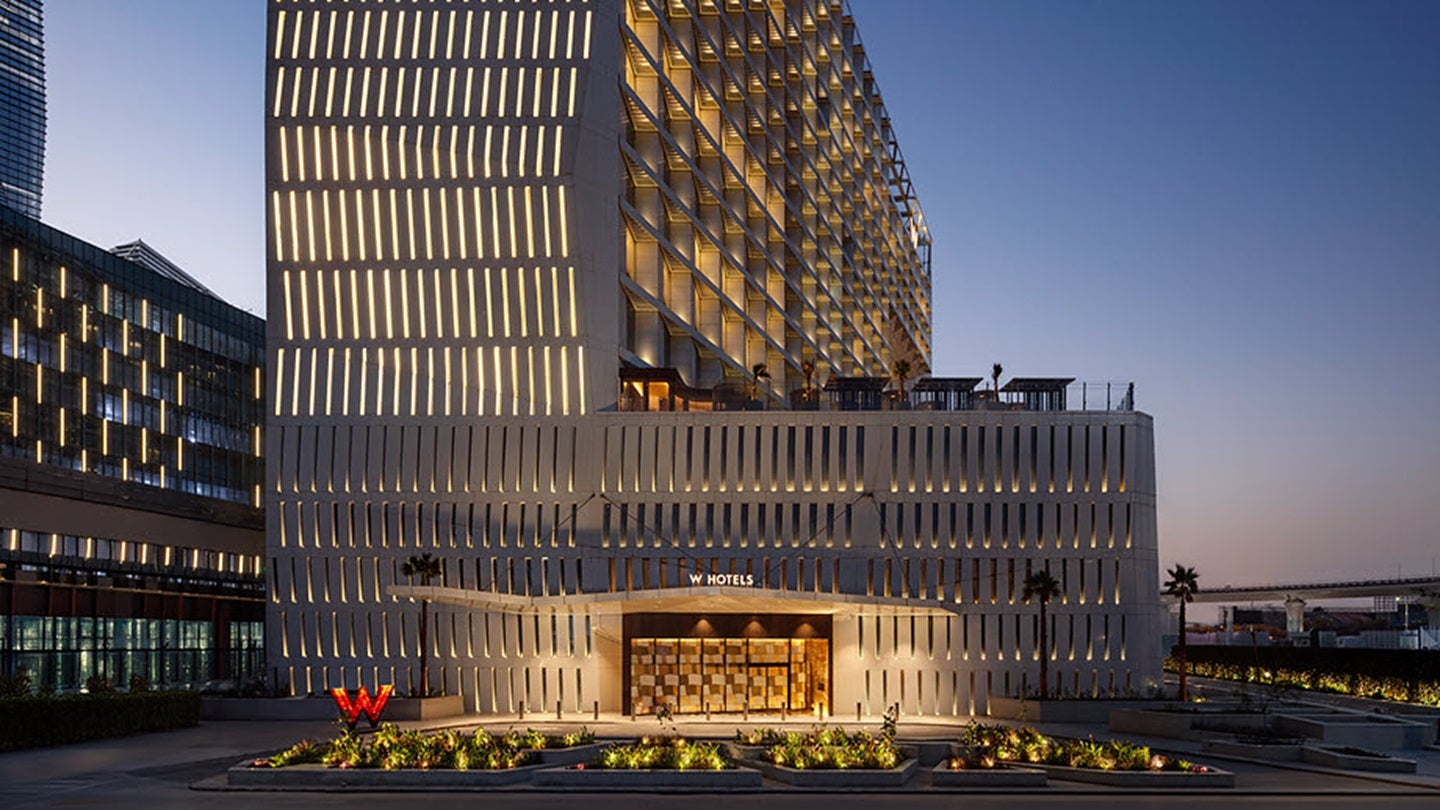
Marriott’s W Hotels makes Saudi debut with W Riyadh – KAFD

Mews updates hospitality operating system with three new tools

12 best Airbnbs in San Sebastian, as chosen by our editors in 2026

3HB Hotels renews Green Key certification

Naher Osten: EASA warnt Airlines erneut

Helga Deboeck appointed GM of Anantara Bazaruto Island Resort

United Airlines Airbus A321XLR: Mehr Platz in der Economy Plus

Garuda Indonesia Passengers to Get Up to 64kg Checked Baggage Thanks to New Piece-Based Policy

Why non-hotel brands are launching hotels
Win the Match That Counts
Hotel connectivity stopped being plumbing

Bucharest tourist rentals found in high-risk buildings
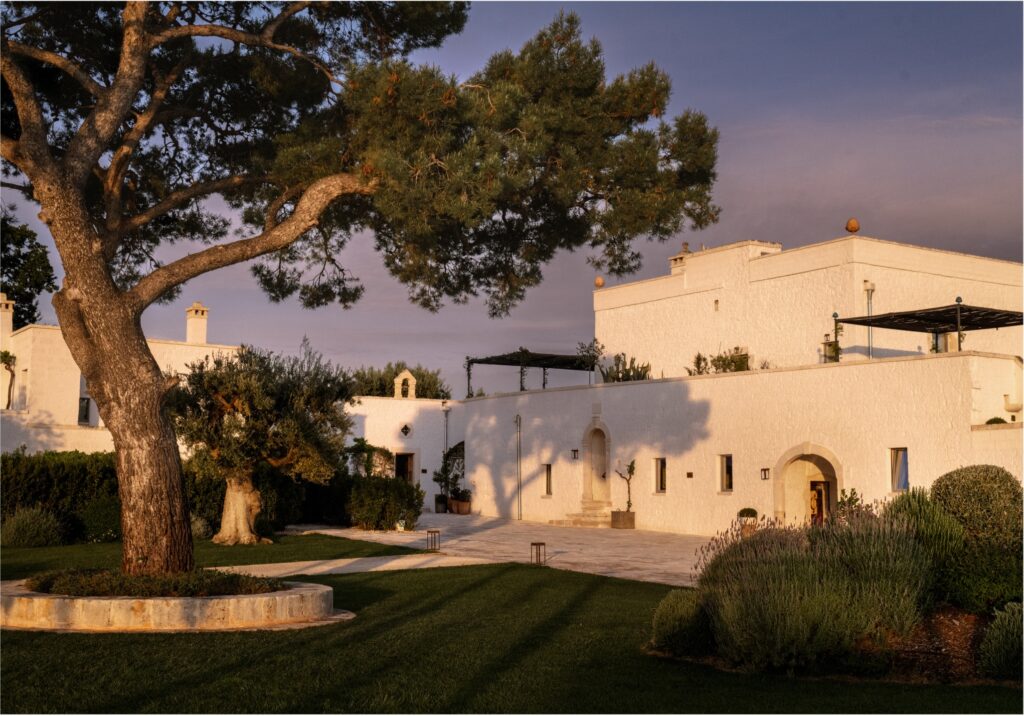
Due new entry italiane per Relais & Châteaux: in portfolio Masseria AuraTerrae e Relais Villa Corallo
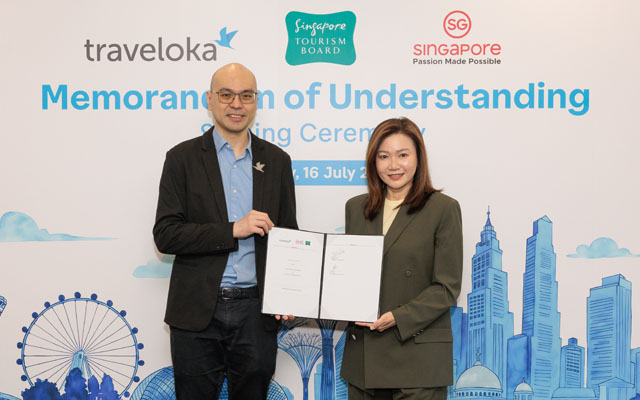
Singapore Tourism Board, Traveloka to boost visitor arrivals from five markets
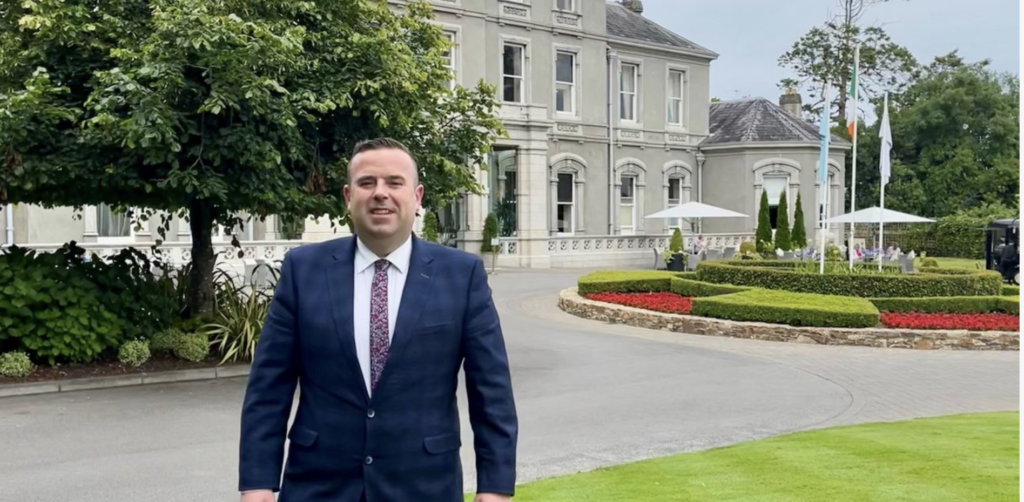
Eddie Flynn Of Faithlegg Hotel On Supporting Local Artisan Producers

Trip.com, Seat Unique bring VIP experiences to travellers
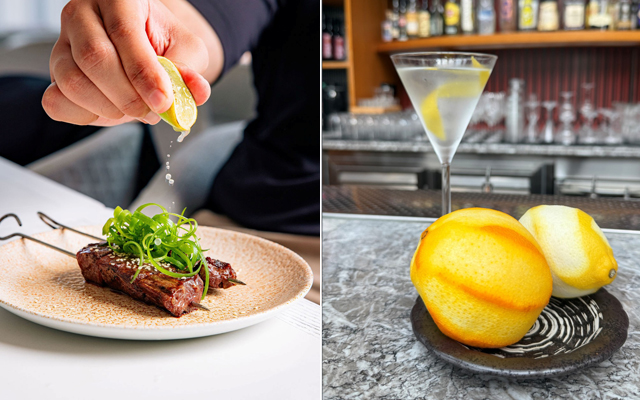
Langham hotels turn food waste into menu additions
Lodging Lowdown: Travel + Leisure Co. makes pair of acquisitions, Peregrine grows presence in Napa Valley

Adelaide gains ground
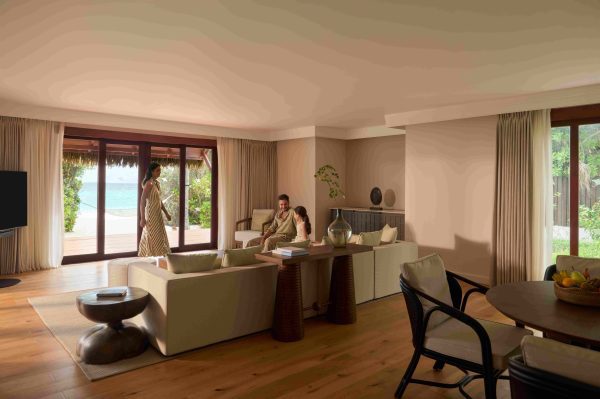
Dusit Thani Maldives unveils refurbished villas

A million passengers connect to Air India Wi-Fi

UA Q2 profit ahead of expectations

Klook renews MOU with KTO
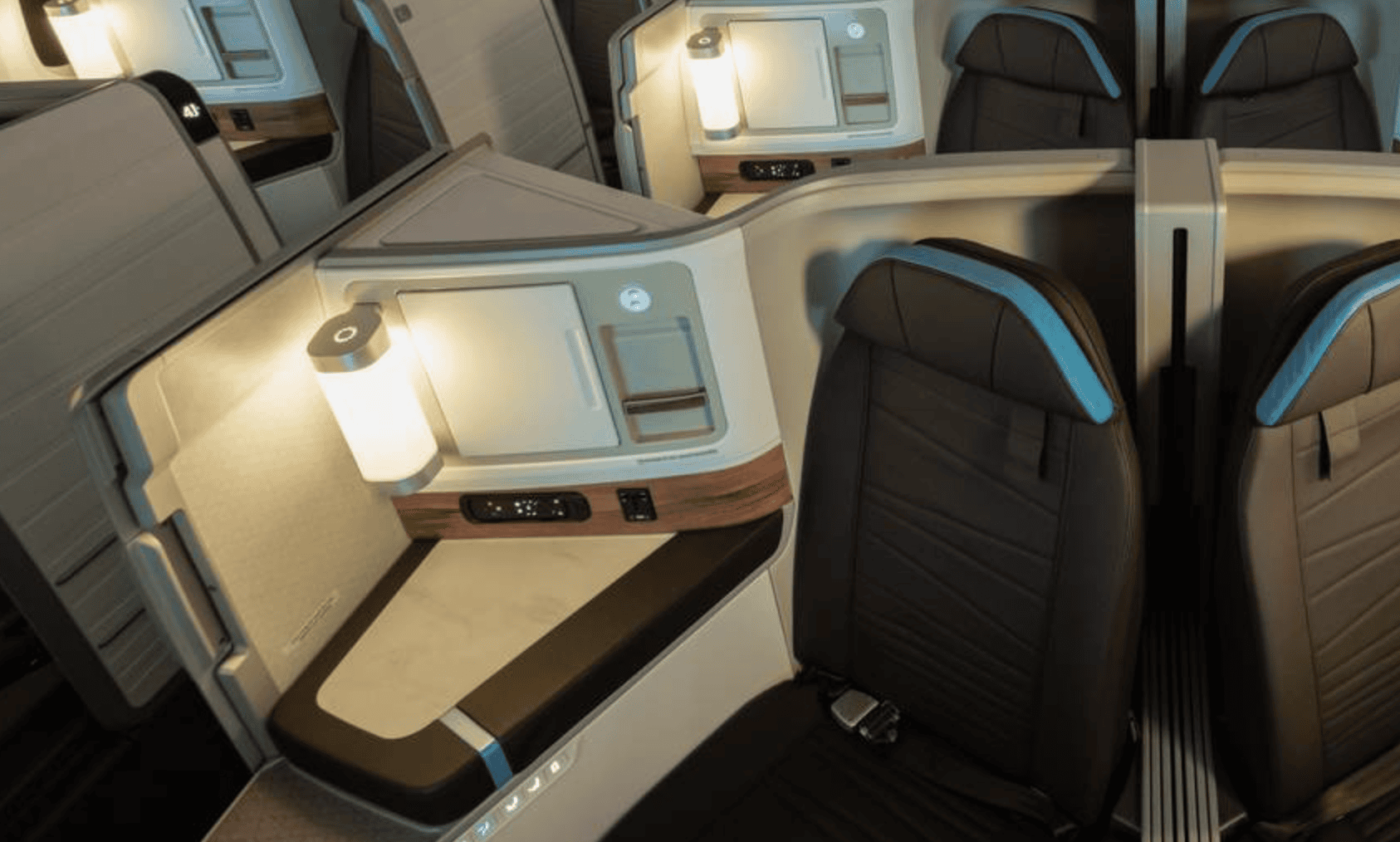
MyFlyYatra expands to worldwide destinations

Trip.com connects with events platform
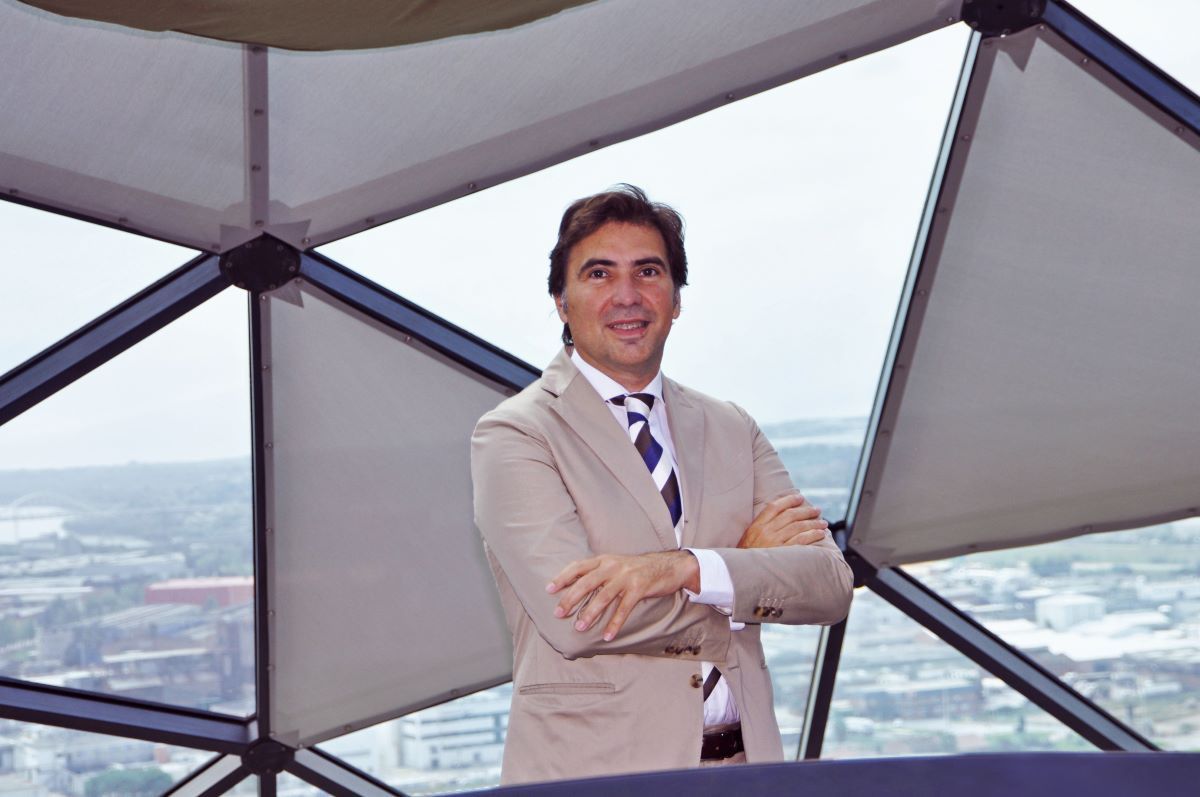
Hesperia siempre ha apostado por crecer en calidad, no en volumen, según su CEO

Yourttoo refuerza su expansión internacional con Jumbo Tours

Adiós al verano de siempre: agosto pierde peso, más escapadas y precio menos decisivo

Respuesta (y análisis) de reseñas: cuando el factor humano marca la diferencia
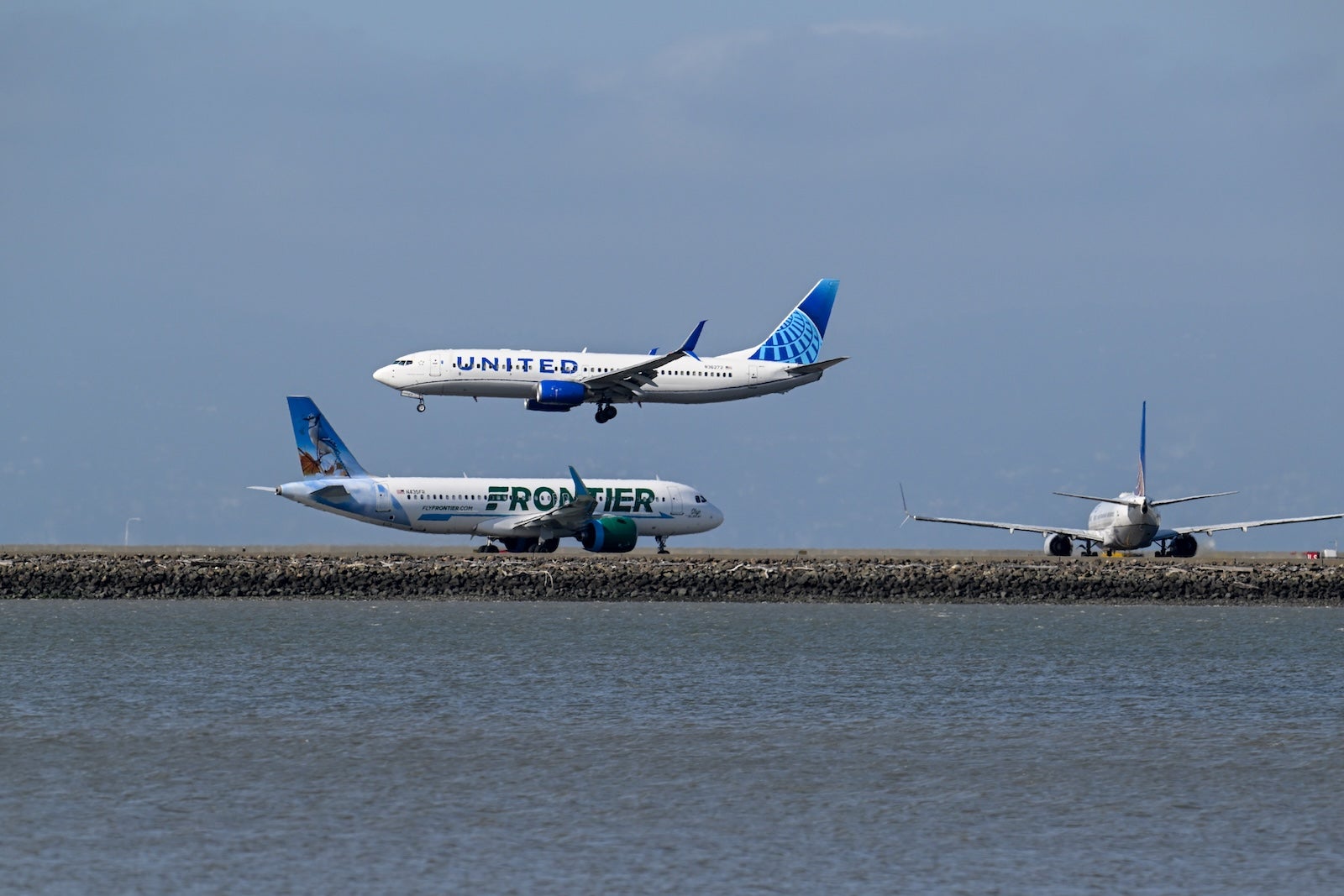
SFO flight delays surged 60% this spring. Now, United says relief could be in sight.
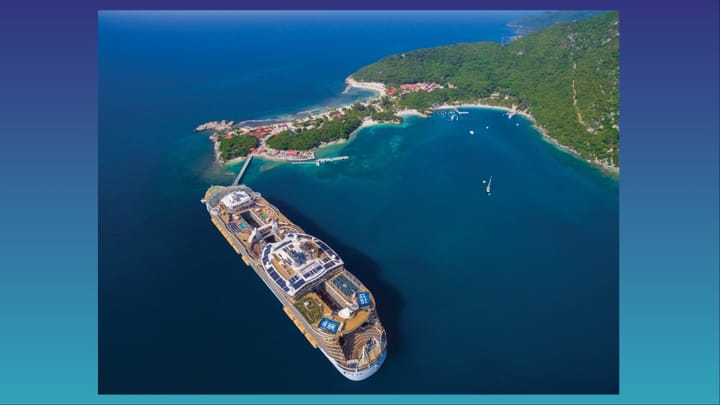
Labadee off Royal Caribbean's charts for another full year

The All-Time Best Hotels in London, According to Our UK-Based Editors

Lufthansa’s New Business Class Food Is So Fancy That Bathrooms Have To Be Locked

Improved World Of Hyatt Business Card Bonus Offer: Earn Up To 70K Points

Restaurant menu prices slowed slightly last month and food costs fell

Hilton’s Chris Nassetta: Why 28 Brands Aren’t Too Many and the ‘Bazillion Points’ Problem

Book This 5-Night Iceland Trip With Flights and Tours for Just $899
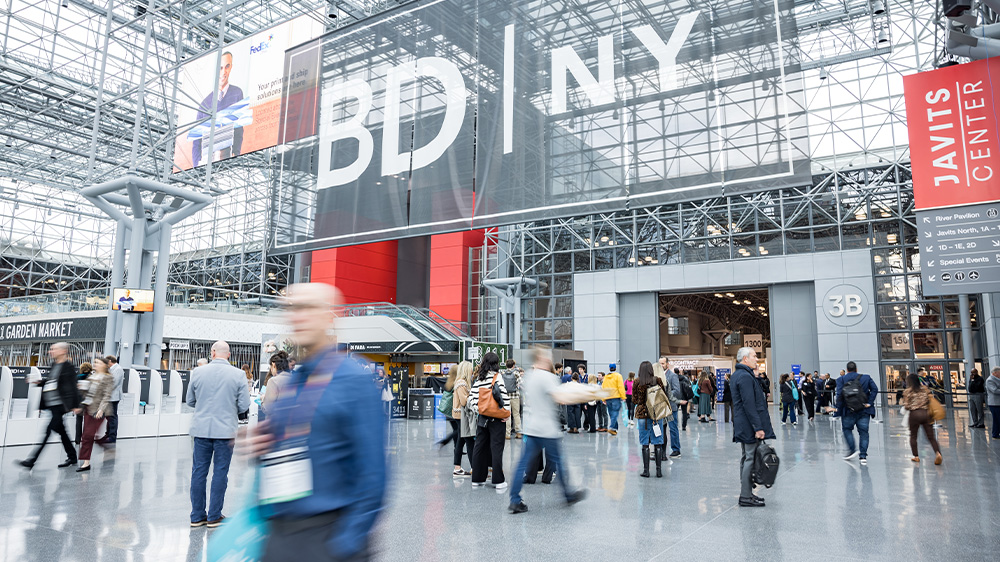
BDNY 2026 Registration is Now Open!

Brussels Airlines Taps ITA Airways Exec for CEO

Enterprise Promo Code for July 2026
ARC Report Shows Americans Are Traveling in Record Numbers—But International Visitors Are Not
This Wild New Travel Trend Could Turn Flight Delays Into Cash
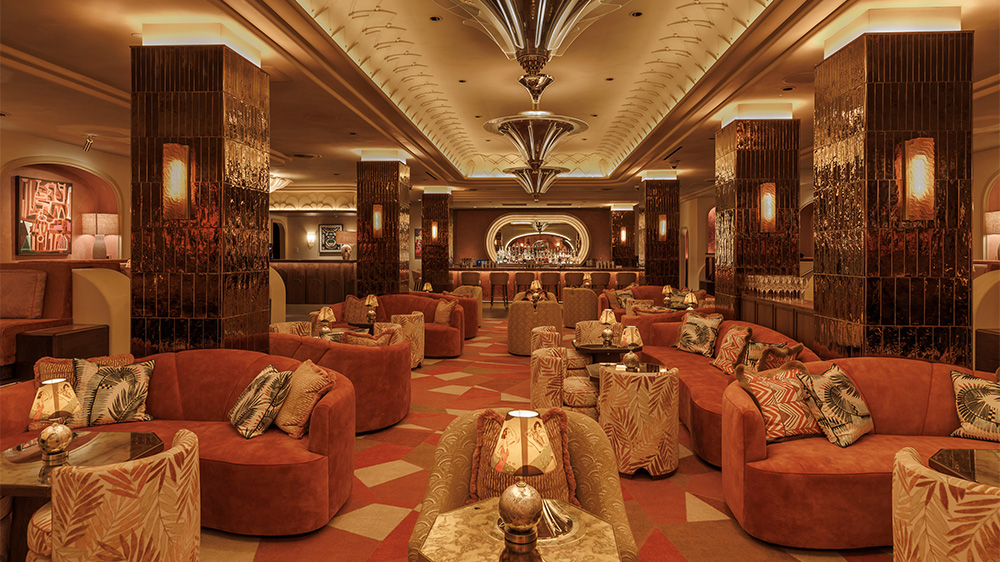
12 Restaurants That Deliver Interiors Worth Savoring
Chicago Tops Orkin’s 2026 Bed Bug Cities List Again as Vacation Hot Spots Climb the Ranks
Antigua and Barbuda Art Week Returns Bigger, Bolder, and More Immersive in 2026

7 Best Hotels on the Upper East Side for Museum Visits, Central Park Walks, and Glimpses of Old New York
Hospitality Social Media Summit launches at Chicago Booth London
Radisson opens 300-room resort in Thailand

The best beach bags for summer 2026: From straw totes to designer classics

Last-Minute Summer Plans? Snag These July Travel Deals Before They Vanish
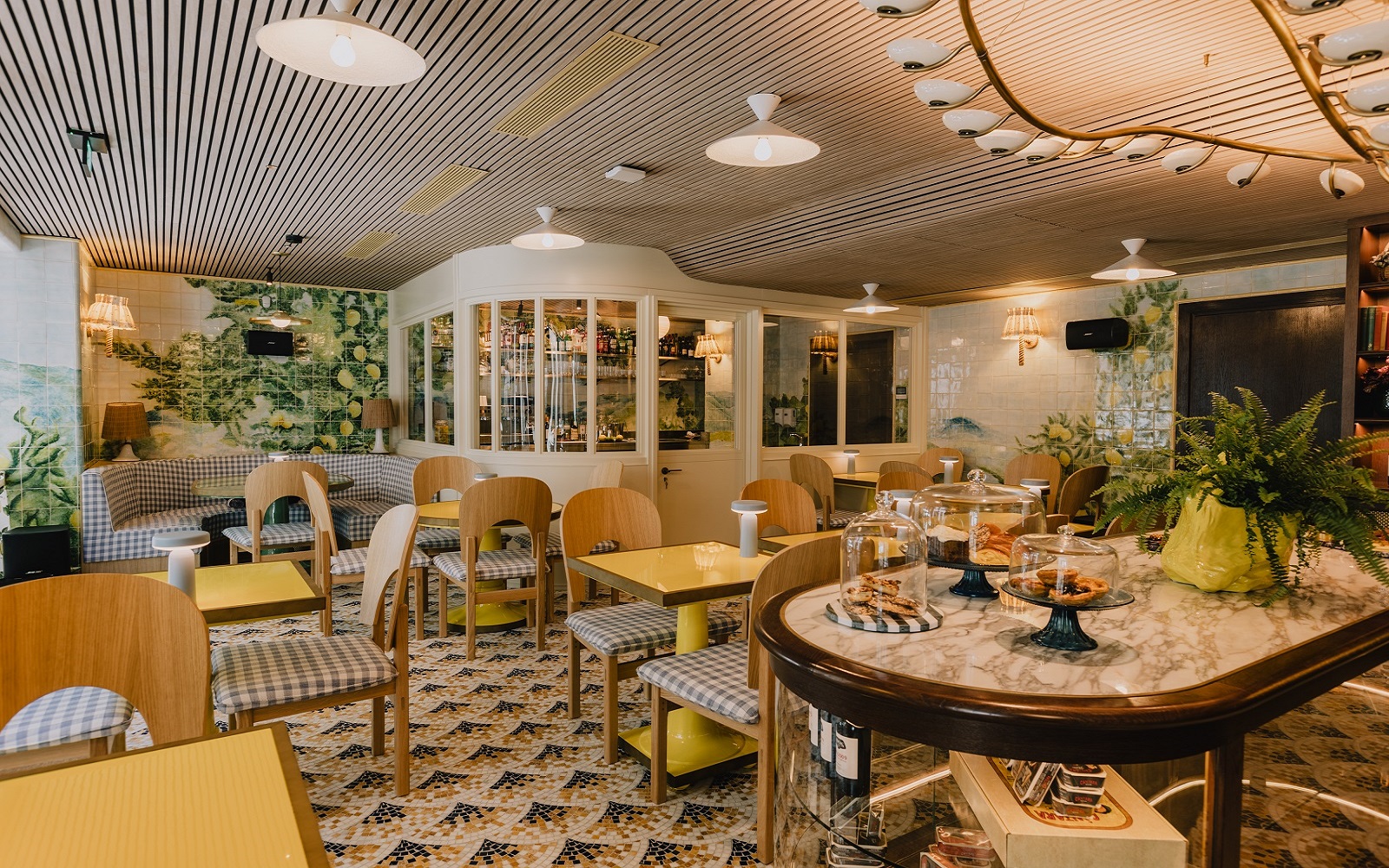
A duo of summer openings from Wilde

International panellists named for Cruise360 Australasia 2026

The Elser Hotel & Residences Launches Innspire-Powered Guest App to Streamline and Elevate Luxury Stays
Hilton completes $100M renovation on first LXR hotel in Hawaii

Hackers exploit booking data in phishing scam
Travelers are booking hotel stays based on F&B: report

More delays for Mara Airport

Namaqualand expects ‘superbloom’ season
Accor to develop ibis hotel in Makkah, Saudi Arabia
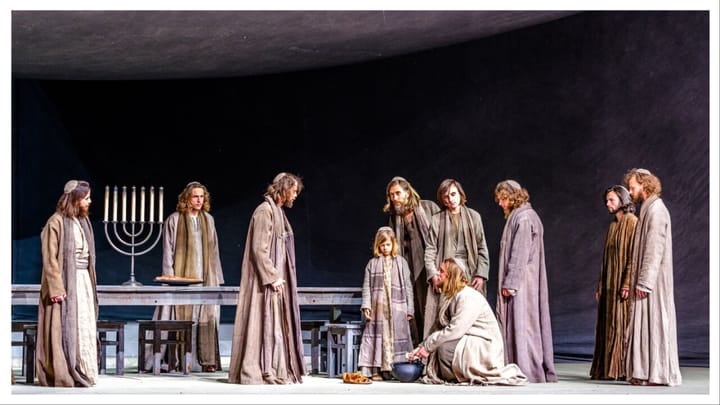
Viking unveils river cruises for Oberammergau Passion Play

How much jet fuel does the UK really have? And how will shortages impact summer flights?
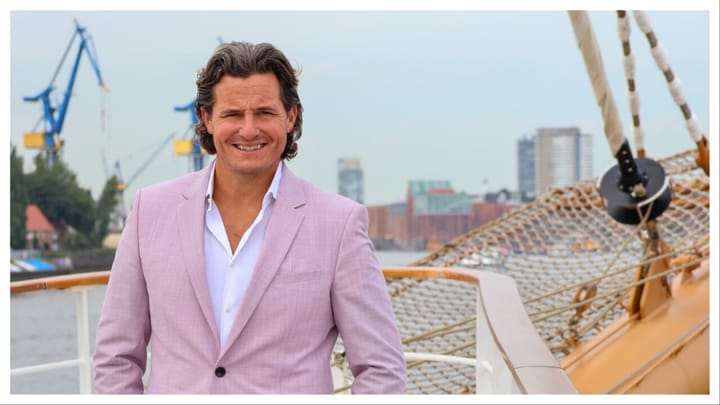
Sea Cloud Cruises promotes Kevin Smith to president, Americas
The Address Collective opens second Glasgow site with Address Wren

Chapter Chianti marks its second opening within the Chapter Italia portfolio
Meininger Hotels to debut in Scotland with Edinburgh property
Summer tourist bookings expected to remain stable across UK

10 Unique Adventures You Can Only Have in South America
LIAT Reconnects Guadeloupe and Jamaica, Opening a New Chapter for Caribbean Tourism

Mindtrip launches AI-based Mindtrip Stays for hotel search
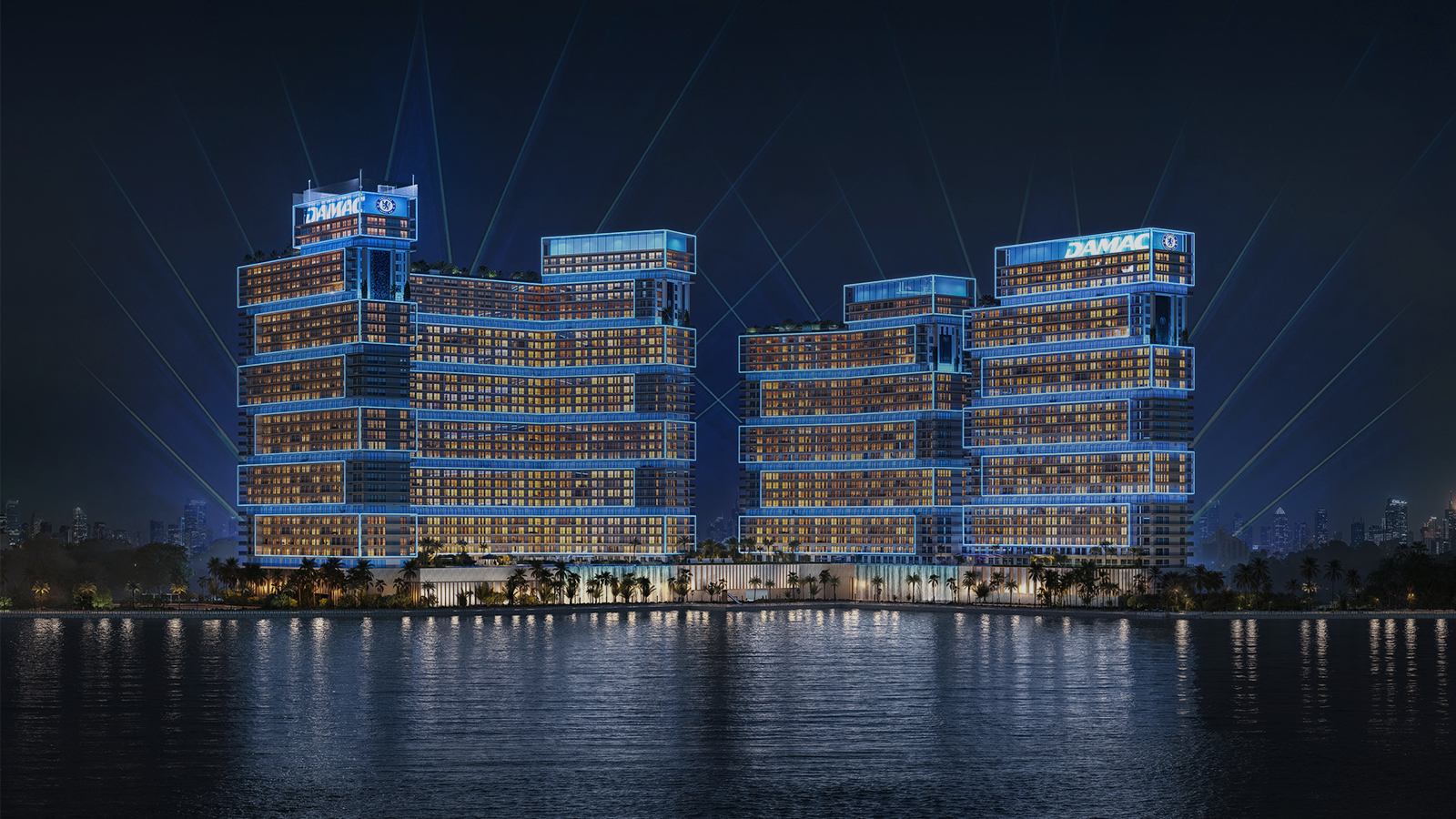
DAMAC Properties unveils final tower of Chelsea Residences

Hotel Review: Lyla, Edinburgh – The Michelin-Starred Restaurant You Can Sleep in
Lufthansa Picks Lorenza Maggio to Lead Brussels Airlines

Die besten neuen Hotels weltweit im Juli 2026
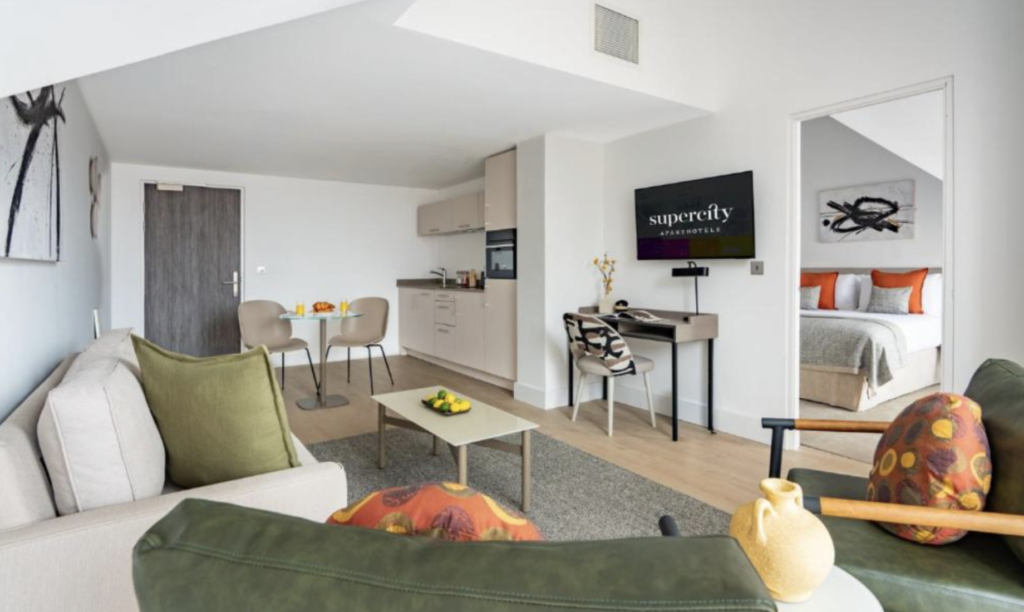
Supercity Aparthotels opens in Micklegate, York
Jamaica and Panama Build a Stronger Caribbean Tourism Future Together

Relais & Châteaux adds 10 hotel and restaurant members
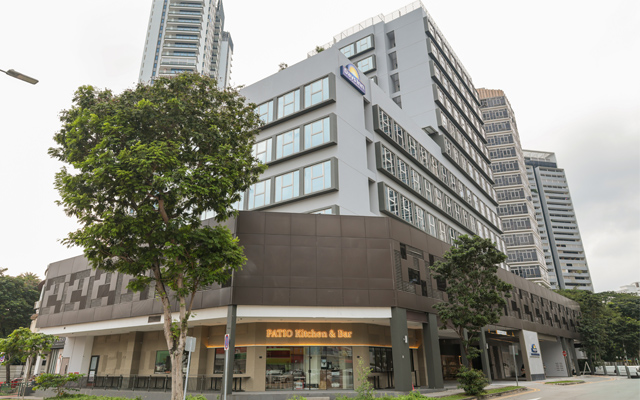
Wyndham opens third hotel in Singapore, looks for more
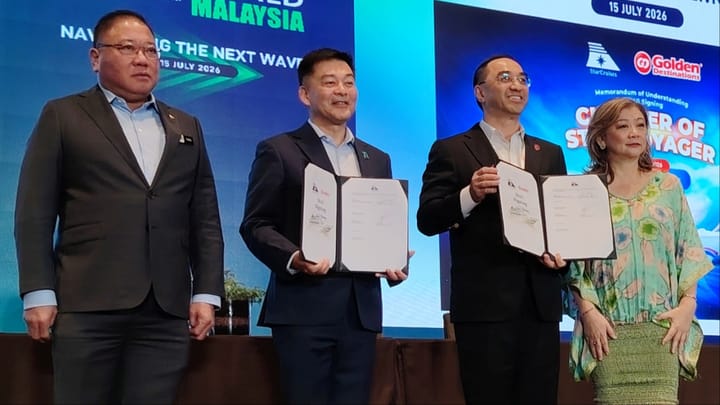
StarCruises partners Golden Destinations for Malaysia charters

NUMA Group acquires Lisbon Serviced Apartments
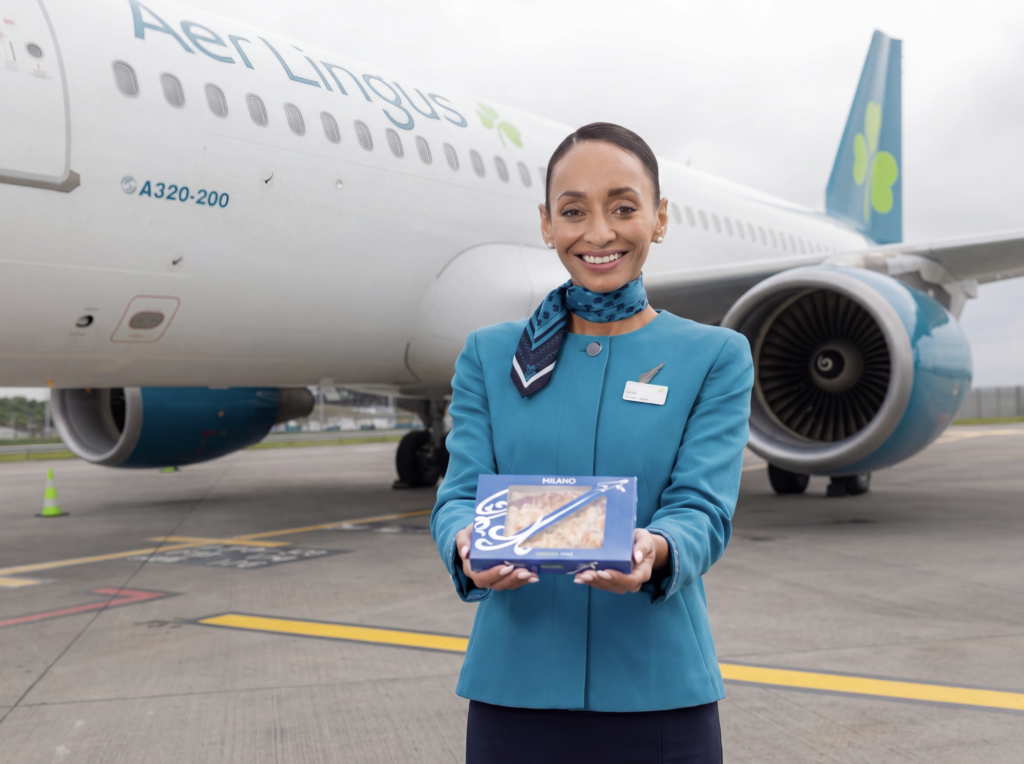
Milano's Iconic Margherita Pizza Takes Flight With Aer Lingus

IHG to introduce Regent brand in Chengdu, China
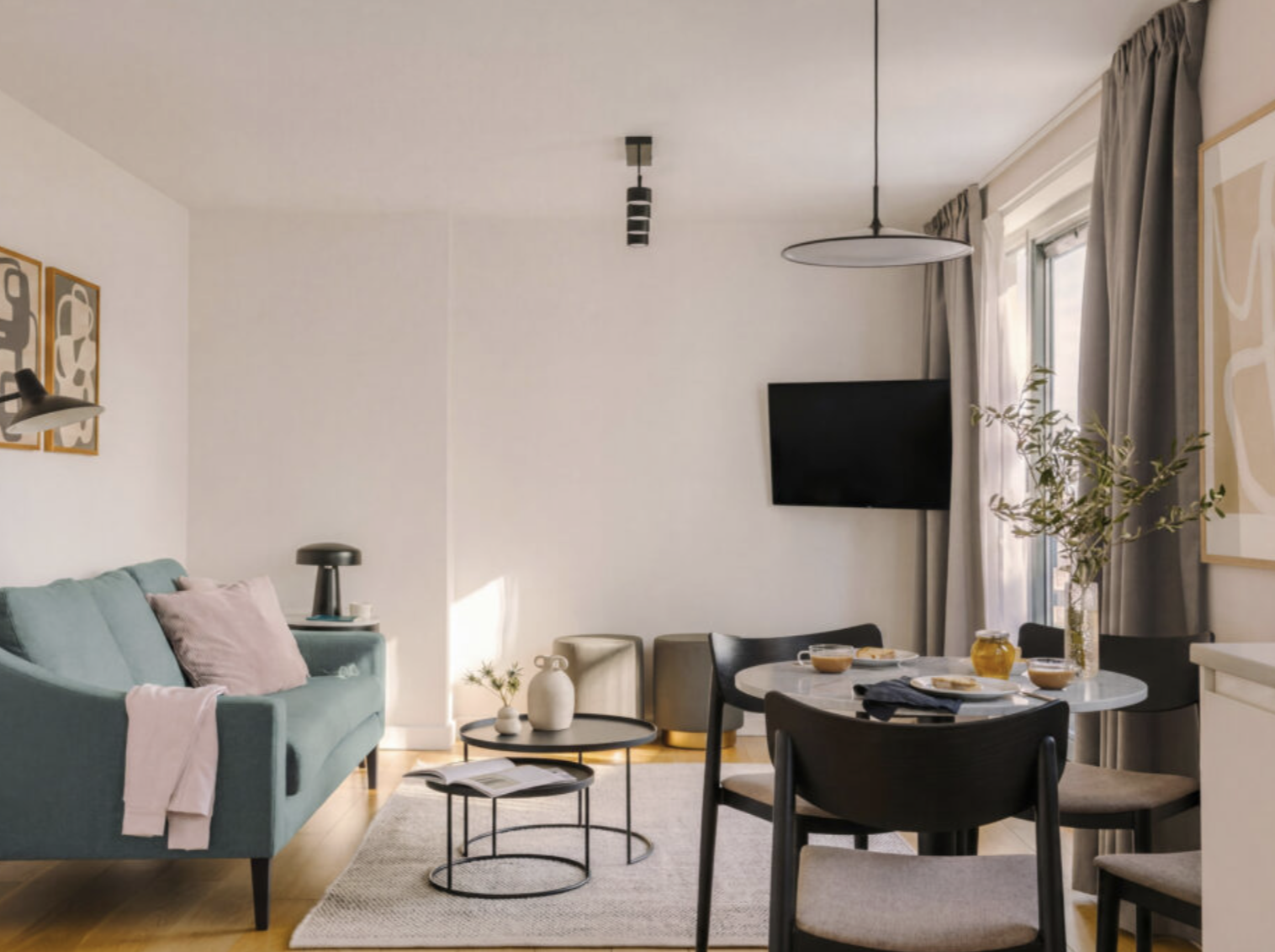
The brand advantage
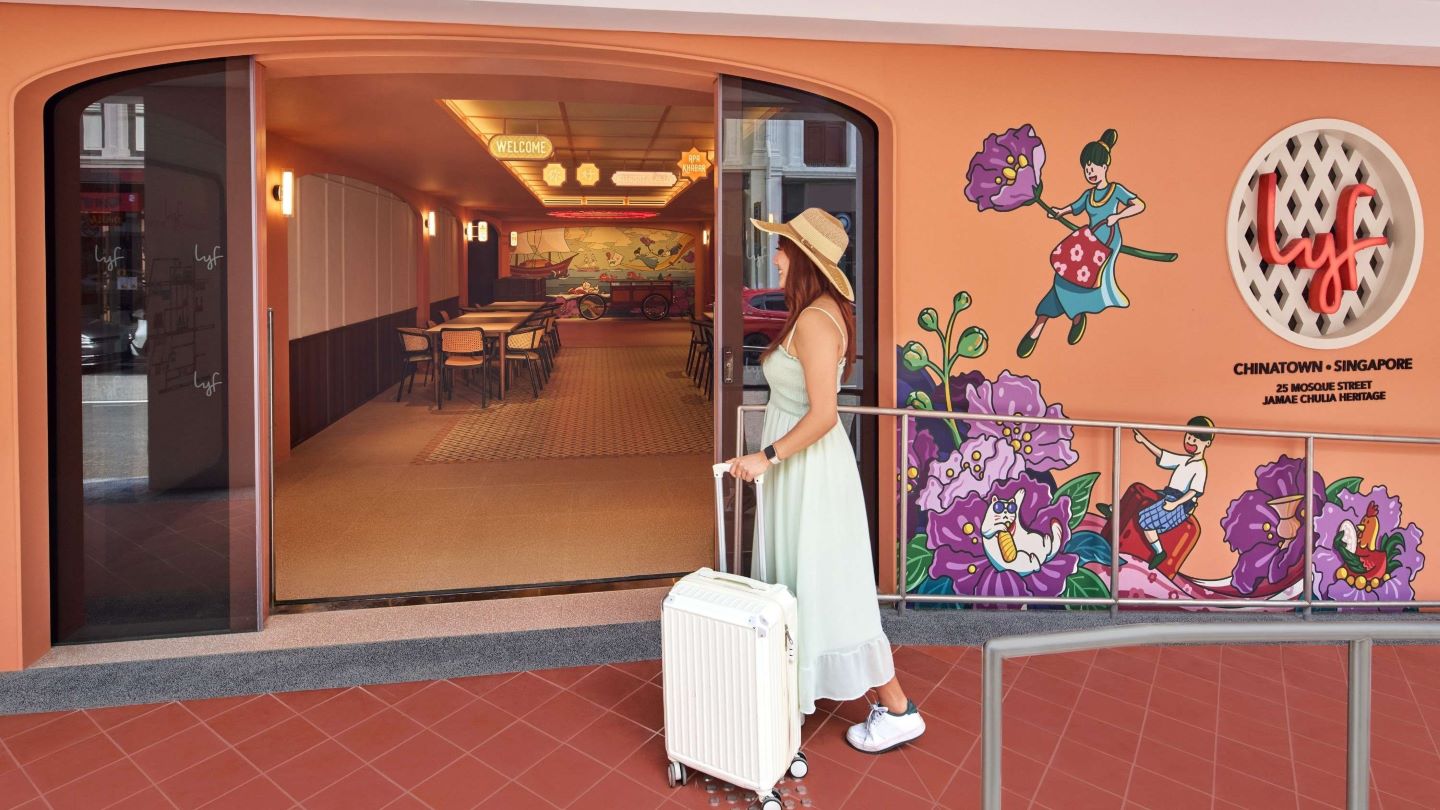
Ascott opens fifth lyf-branded property in Singapore

Marriott Bonvoy and JAL Launch Reciprocal Status Match
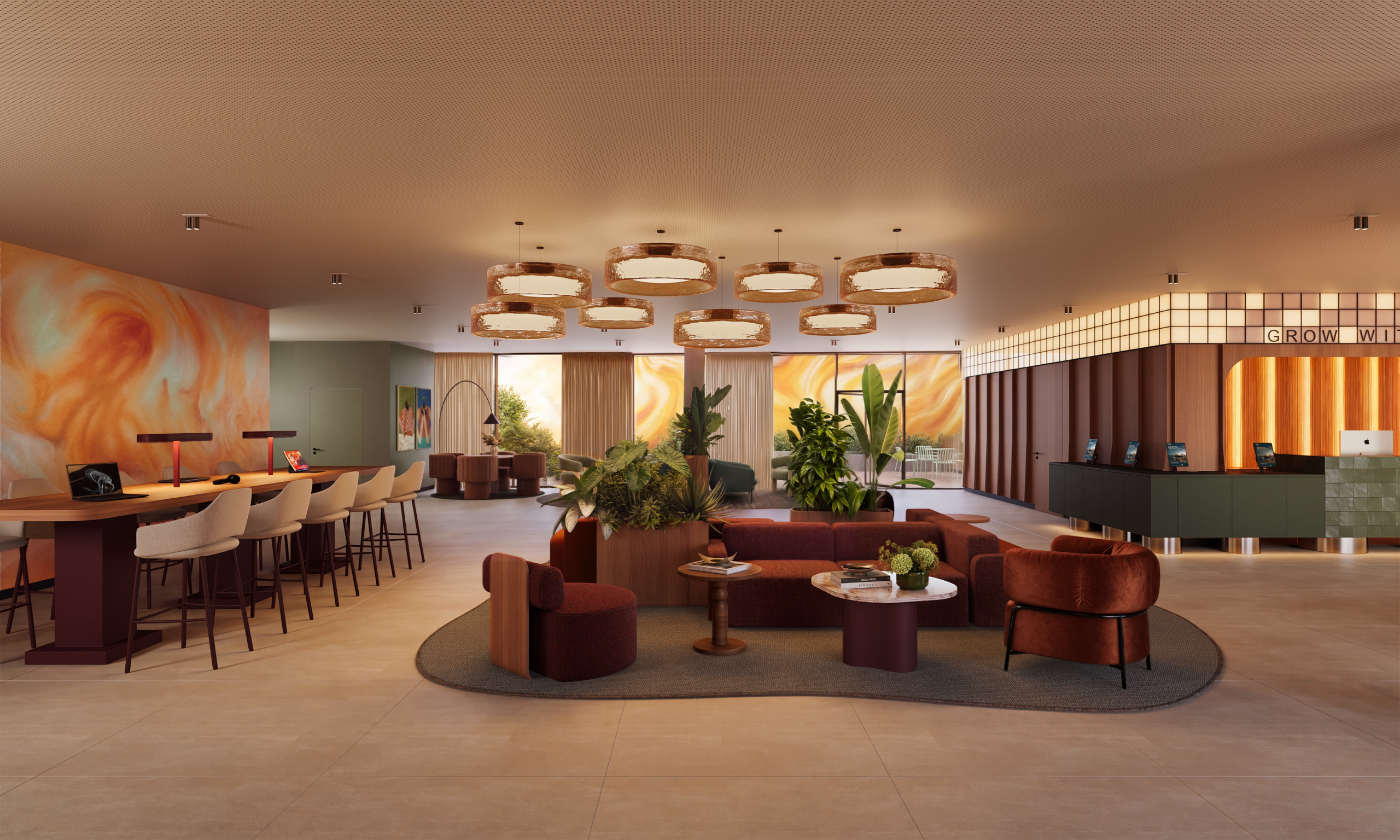
A Roma l’ospitalità ibrida è con vista sul Cupolone: arriva il CX Rome San Pietro

Bangkok riverfront to gain cable car and MONA art museum
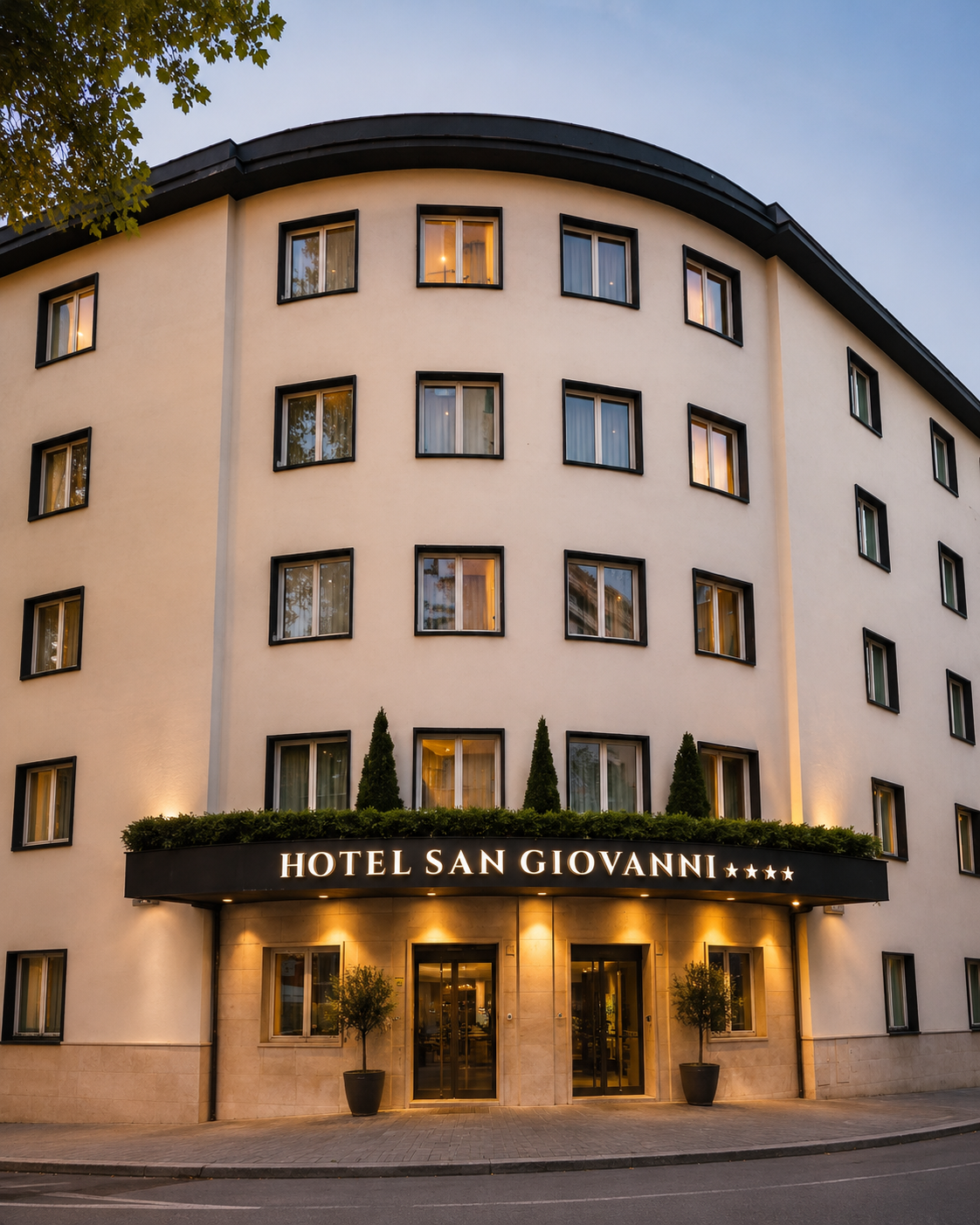
LVG Hotel Collection, finalmente Roma: entra in portfolio l’Hotel San Giovanni
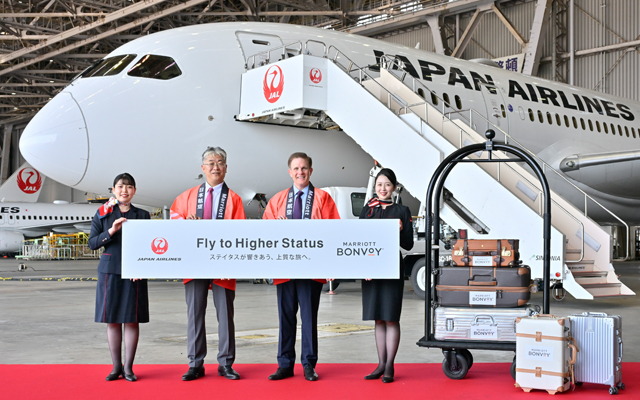
Marriott Bonvoy, Japan Airlines deepen loyalty partnership

My Favorite Airbnb: An Idyllic Writers’ Retreat in Oxford, England
EU Greenwashing Rules Could Hurt Tourism SMEs, Warns SUNX President Geoffrey Lipman

CitySCENE: Chicago 2026
What’s Next for Hotel Operations and AI Adoption?

$999 Greece Vacation: 6 Nights in Athens & Santorini With Flights

The Jazz Age Gets a Modern Encore at the Warbler in New Orleans

5 Things You Should Do Before You Leave for Summer Vacation
WTTC Chairman Manfredi Lefebvre: “The Data Is Telling Its Story” — Winners in Global Tourism Are No Longer the Most Famous
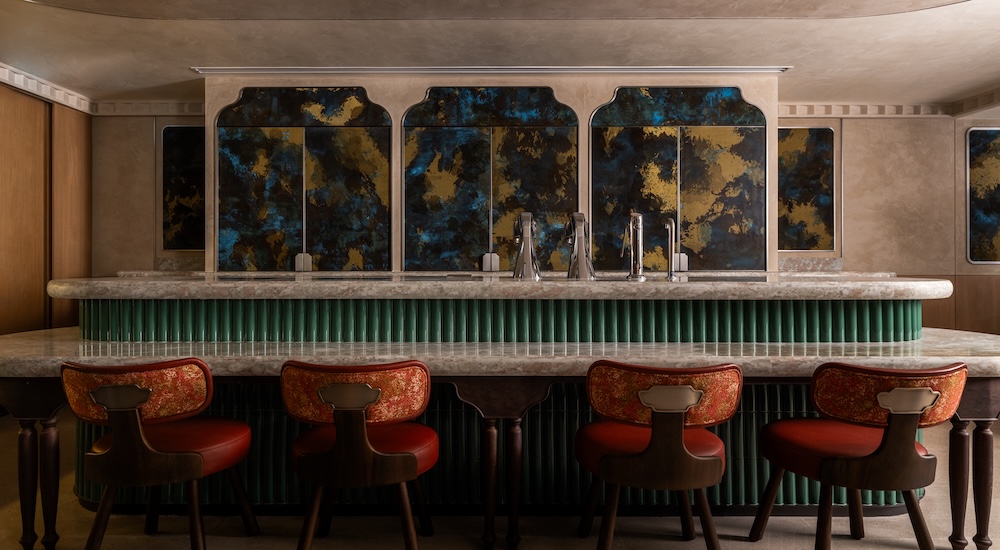
Joyce Wang Studio Reimagines a Hong Kong Icon

For People Living With Chronic Conditions, These Retreats Create Instant Community

A $350 Million Hotel Is Coming to Rockefeller Center

Strategy& Middle East report highlights food processing clusters as key to GCC

GROHE brings refreshed focus to UK market

A Dallas Indoor Air Quality Success Story: Thanks to Vaping Ordinance, Sensor Technology

Best affordable luggage tested to survive the hold: chic, cheap, and virtually indestructible

Egypt’s USD 58 billion The New Capital set to transform tourism

Siringit Collection Officially Opens Siringit Tarangire Camp

Hilton, ResortPass expand partnership as consumers seek flexible wellness

Lisa Teiotu is Imagine’s new MD Australasia
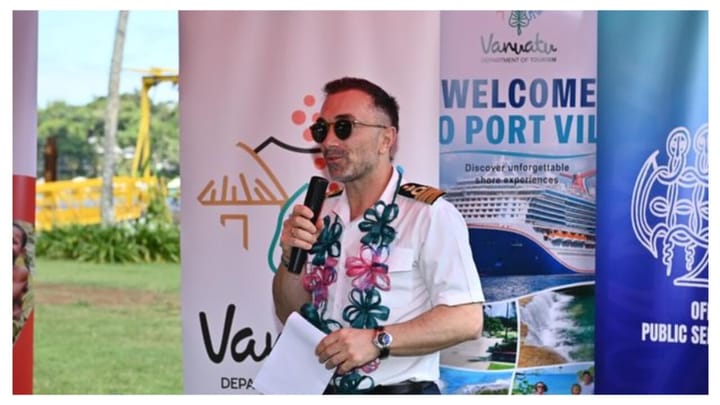
Carnival donates tableware to Vanuatu’s outlying accommodation providers

Sales leadership transition at Victory Cruise Lines

I Got Lost in the Trippiest City in Asia
Can Higher Tourism Taxes Reduce Overtourism Without Driving Visitors Away?
GreenStar Hotels elevates sustainable hospitality with Canary Technologies

The Shepherd Mayfair set to open in September 2026

Is Scent the Most Powerful Tool in Luxury Hospitality?

The best places to stay in the Douro Valley from smart hotels to sprawling villas
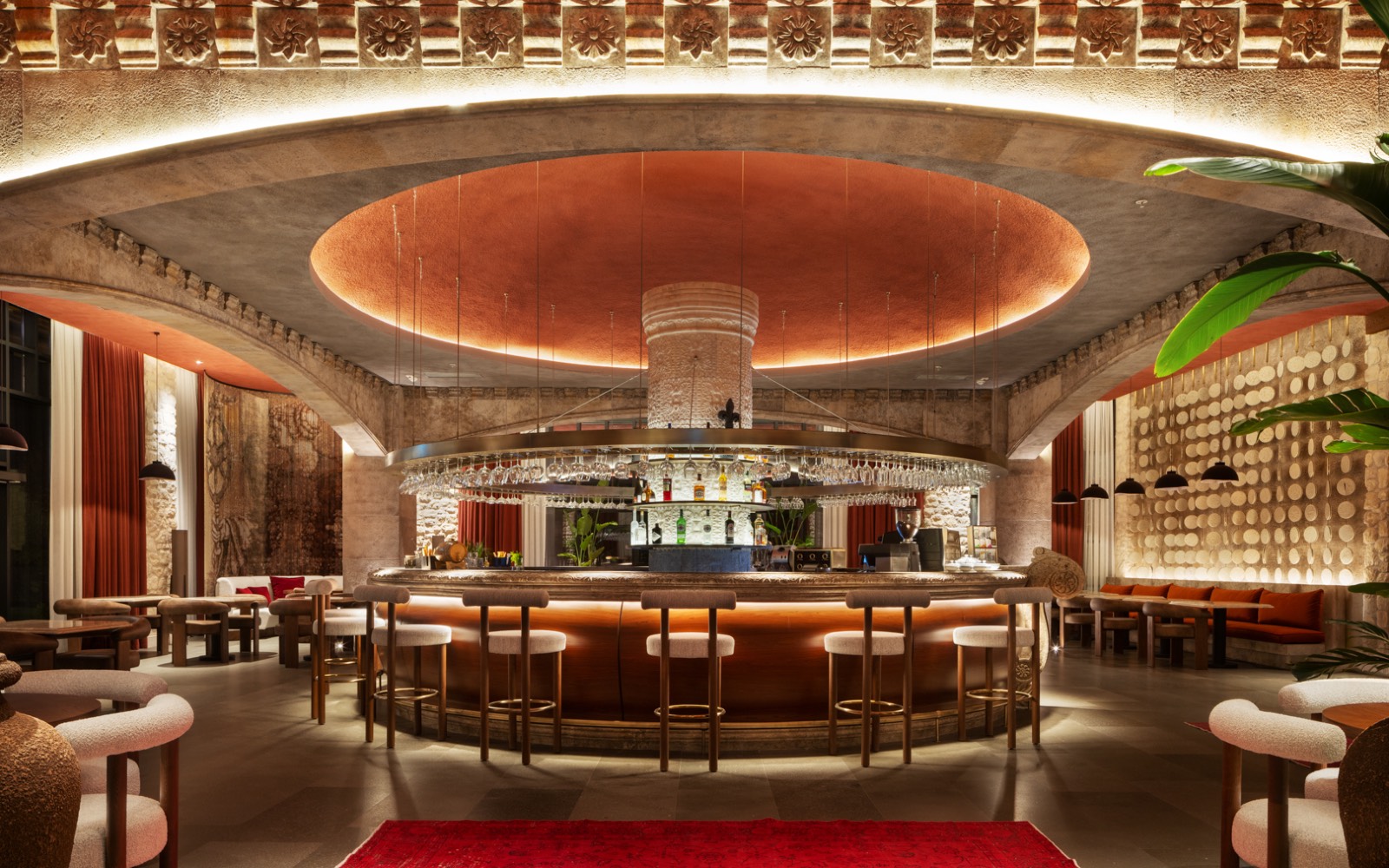
Autograph Collection arrives in Cappadocia
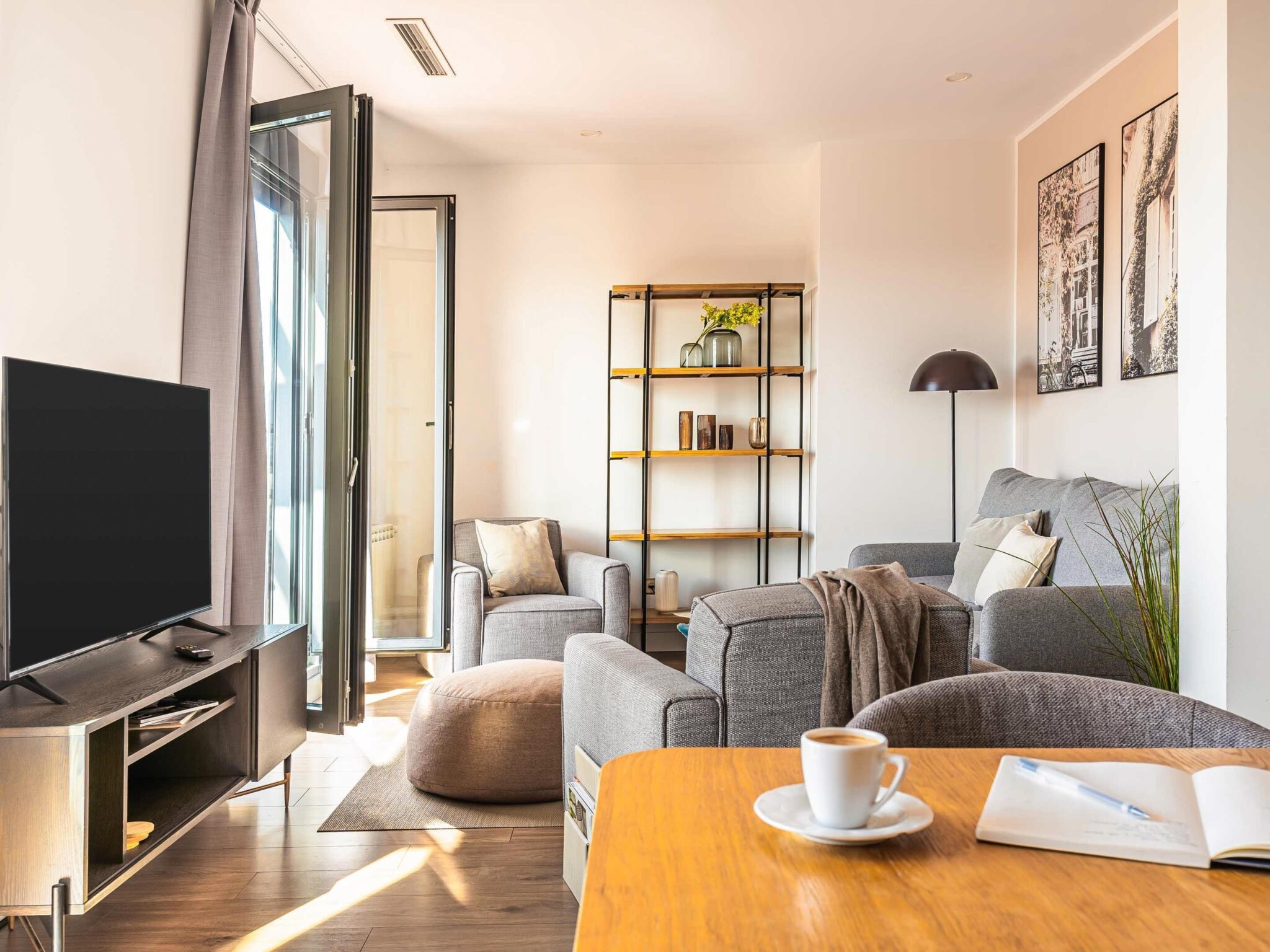
Europe’s serviced apartment pipeline nears 20,000 units

Hotel Barrière Le Normandy – reimagined wellness spaces from BLINK

Roma, Omnia Hotels investe sul suo Shangri-La: un nuovo edificio per la struttura dell’Eur

The Under-the-Radar Resortwear Brands to Wear This Summer
Omni Hotels & Resorts completes $40M Florida renovation

13 best Airbnbs in Brighton to enjoy the city by the sea

The Westin Abha set to debut in Saudi Arabia by 2031

Ritz-Carlton Yacht Collection partners with Eberjey for sleepwear
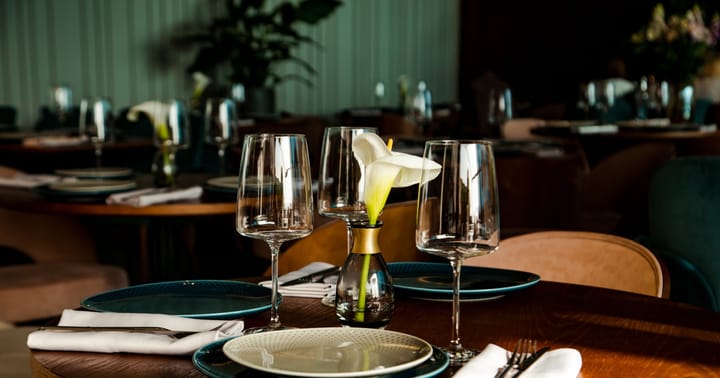
Dining at hotel restaurants is on the rise, reports OpenTable
NEWH Opens Nominations for 2027 Structures of Hospitality Excellence Awards & Scholarships

11 charming villas in the South of France worth adding to your bucket list

Why wood flooring is becoming the smartest design choice for hotels in 2026

Galveston plans mobility study for a fifth cruise terminal

Aseer expands tourism investment with 44 seasonal sites for summer
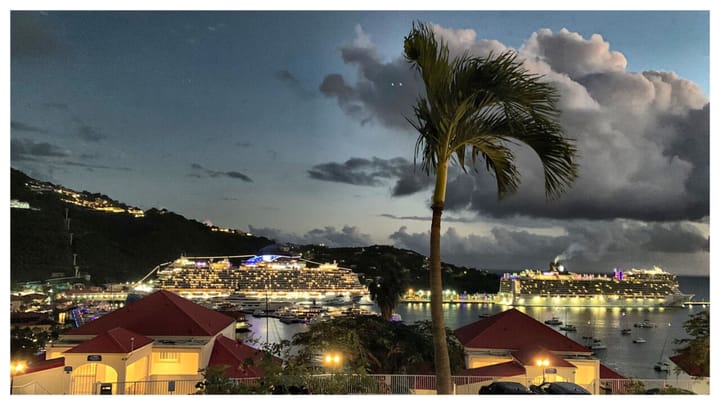
WICO projects growth to 1.2m cruisers in fiscal 2027
4 notable interviews about AI in hospitality from H1 2026
Hotel guest satisfaction up across every segment in 2026: JD Power
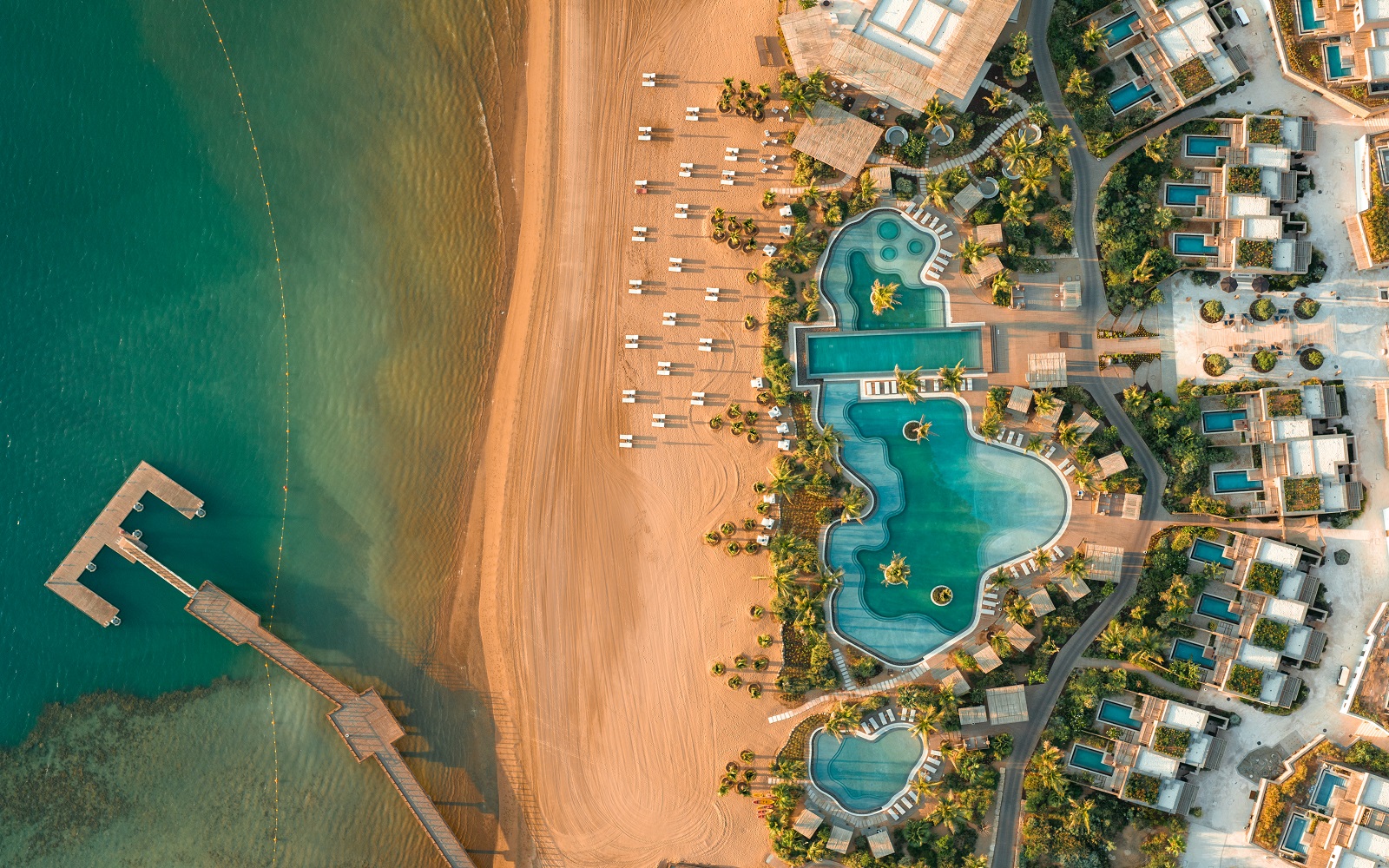
AMAALA strengthens its wellness offering with opening of Six Senses AMAALA

Thinking beyond the budget cycle with Tea Ros, MD at Strategic Hotel Consulting

The 3 Best Family Road Trips in America

Club Metrópolis opens in Madrid

The Brit List Awards 2026: Meet the Judges!
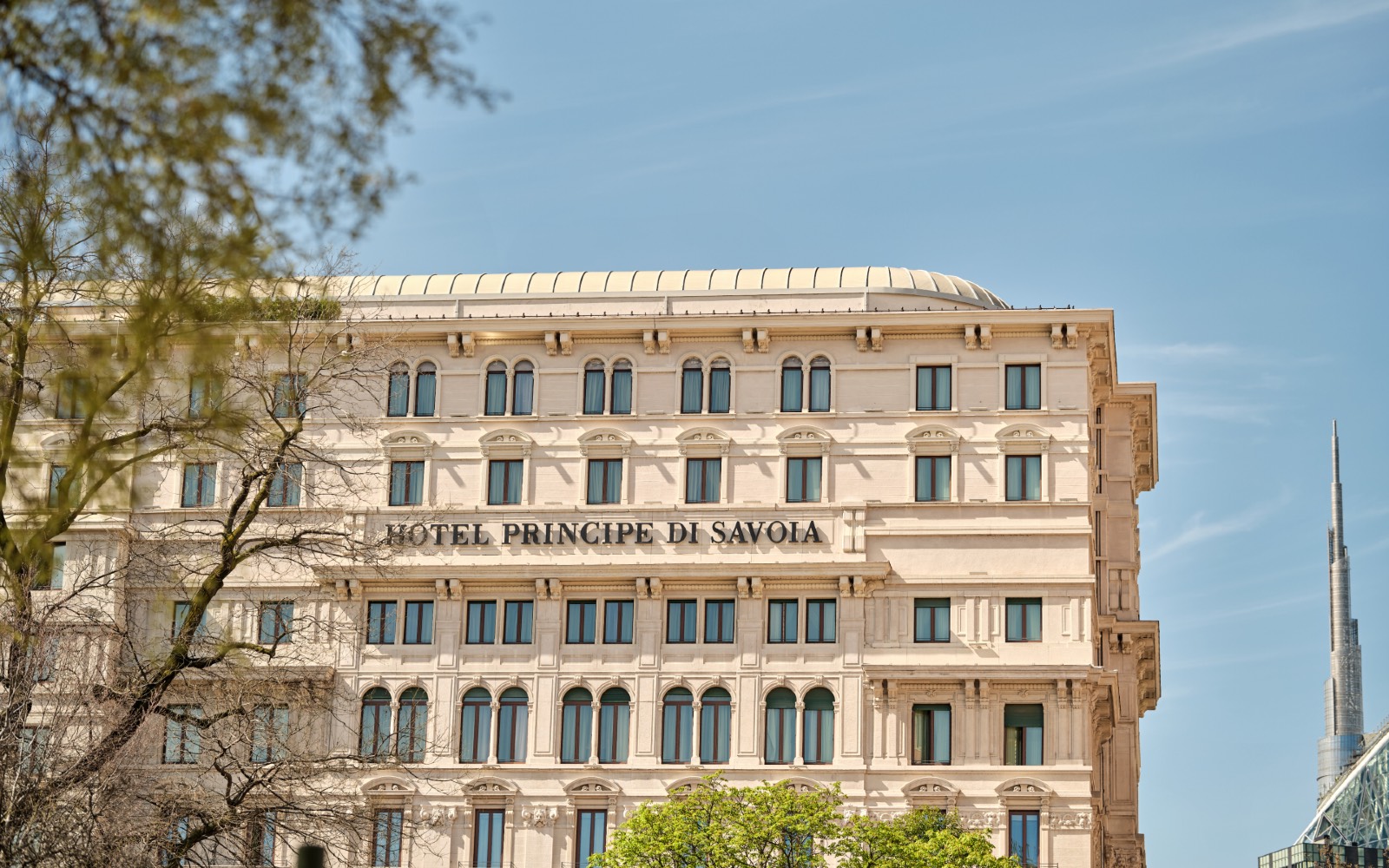
Dorchester Collection restores Milan icon
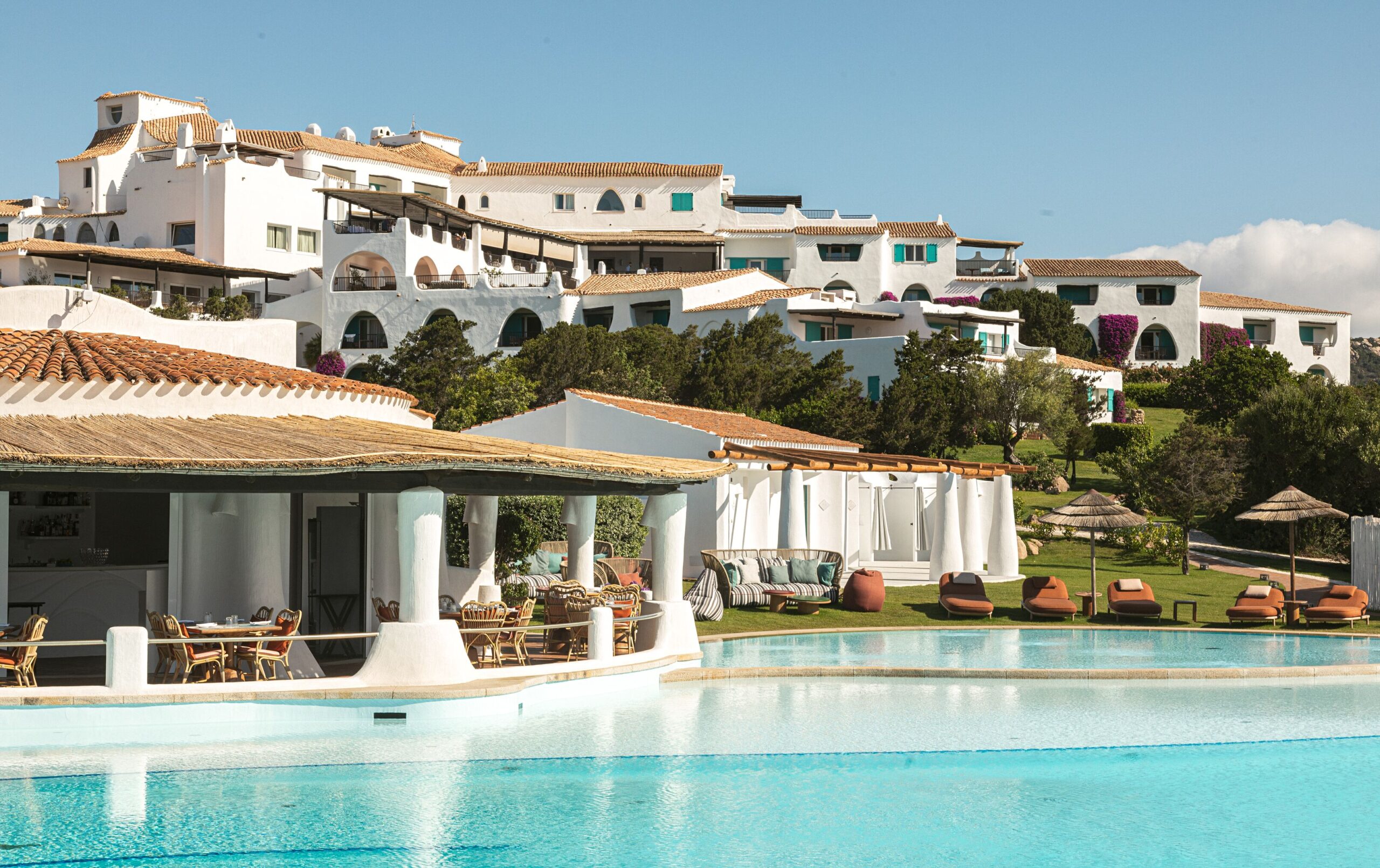
Costa Smeralda, un fuoriclasse per Belmond: Danilo Guerrini nuovo GM del Romazzino
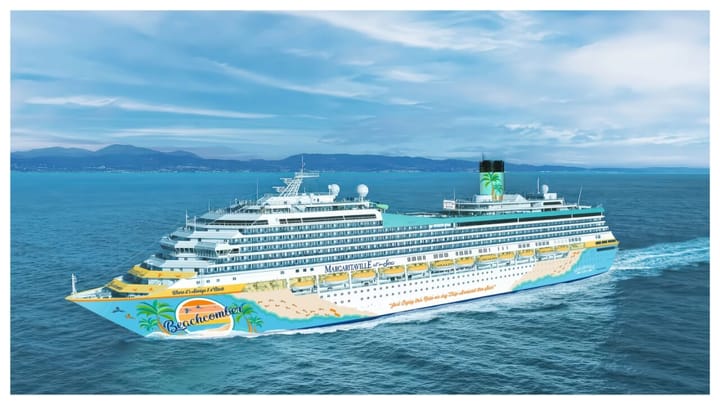
PortMiami's Margaritaville at Sea deal worth $23m over five years
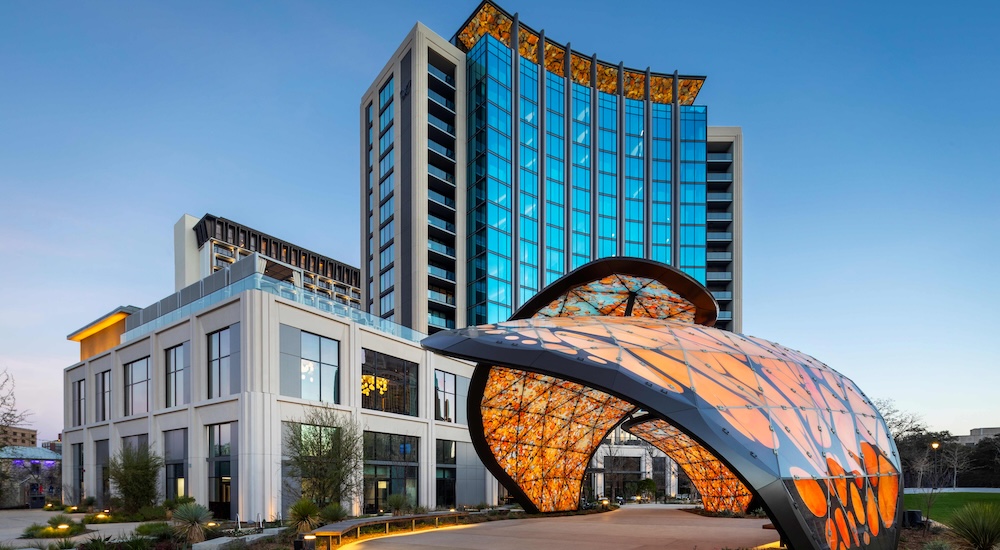
The Monarch San Antonio Takes Flight in the Hemisfair District
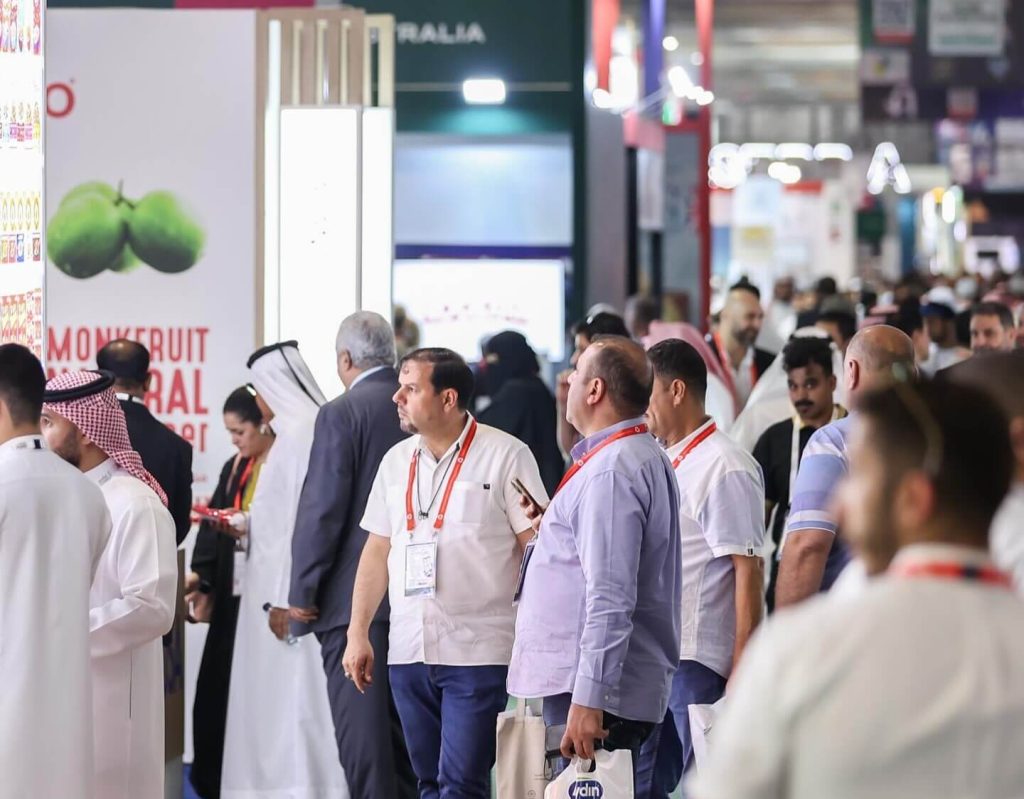
The Saudi Food Show returns for 2026
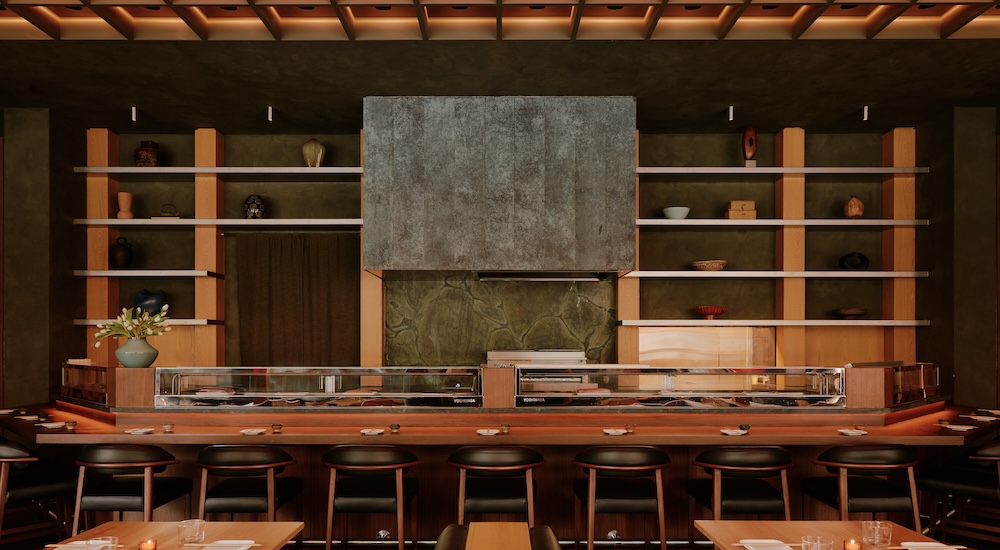
Mystery and Midcentury Modernism Meet at Uchi DC

Turkish and Arabic coffee: from tradition to trend

A Major U.S. Airport Has Been Renamed for Donald Trump
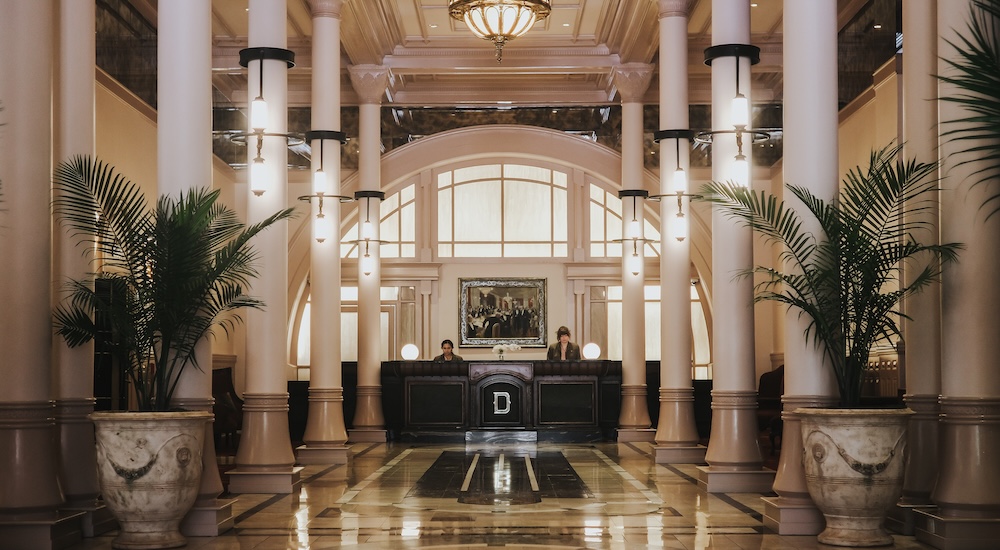
Austin’s Driskill Hotel Unveils Sweeping Historic Renovation

Nammos Hotels signs Montenegro branded residence resort
US hotels see RevPAR boost from America 250 events, World Cup
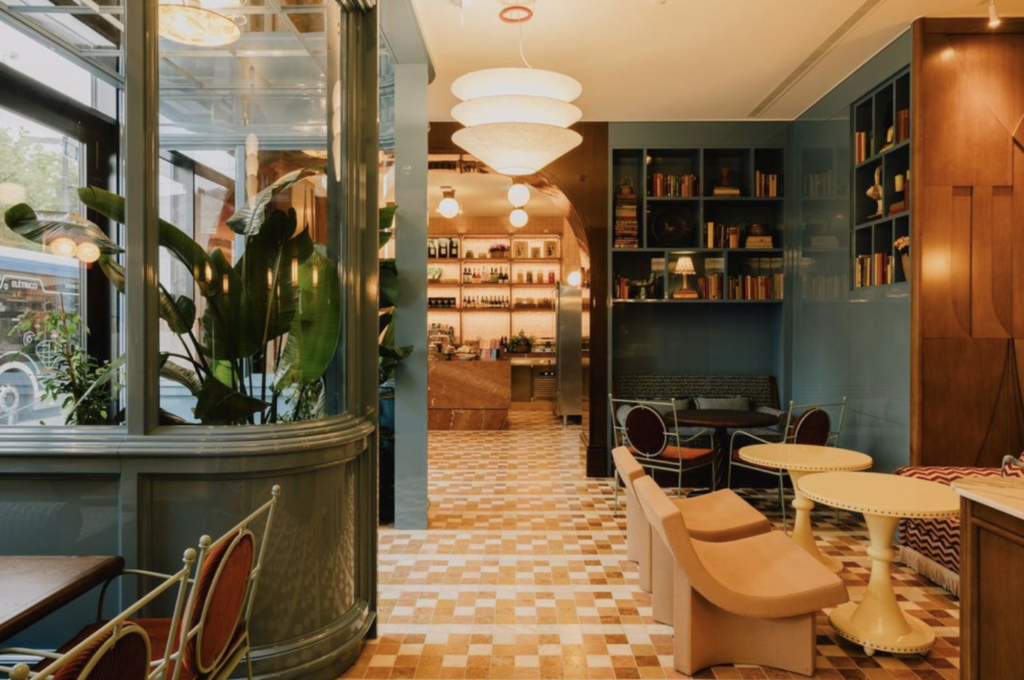
Wilde makes its debut in Porto
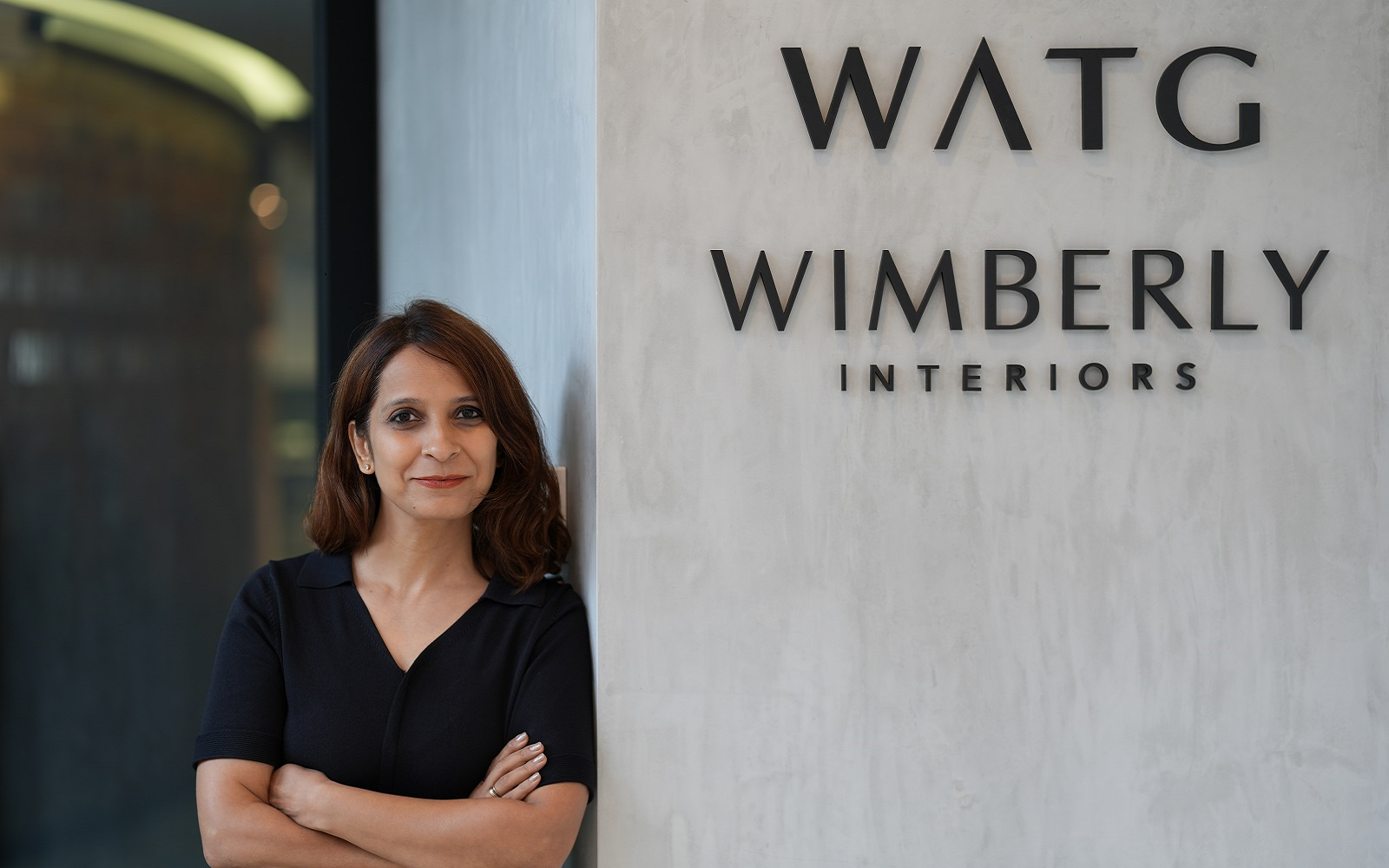
WATG welcomes Bhavya Kukrety as the new Managing Director of Asia Pacific

10 Things Tourists Should Never Do in Amsterdam
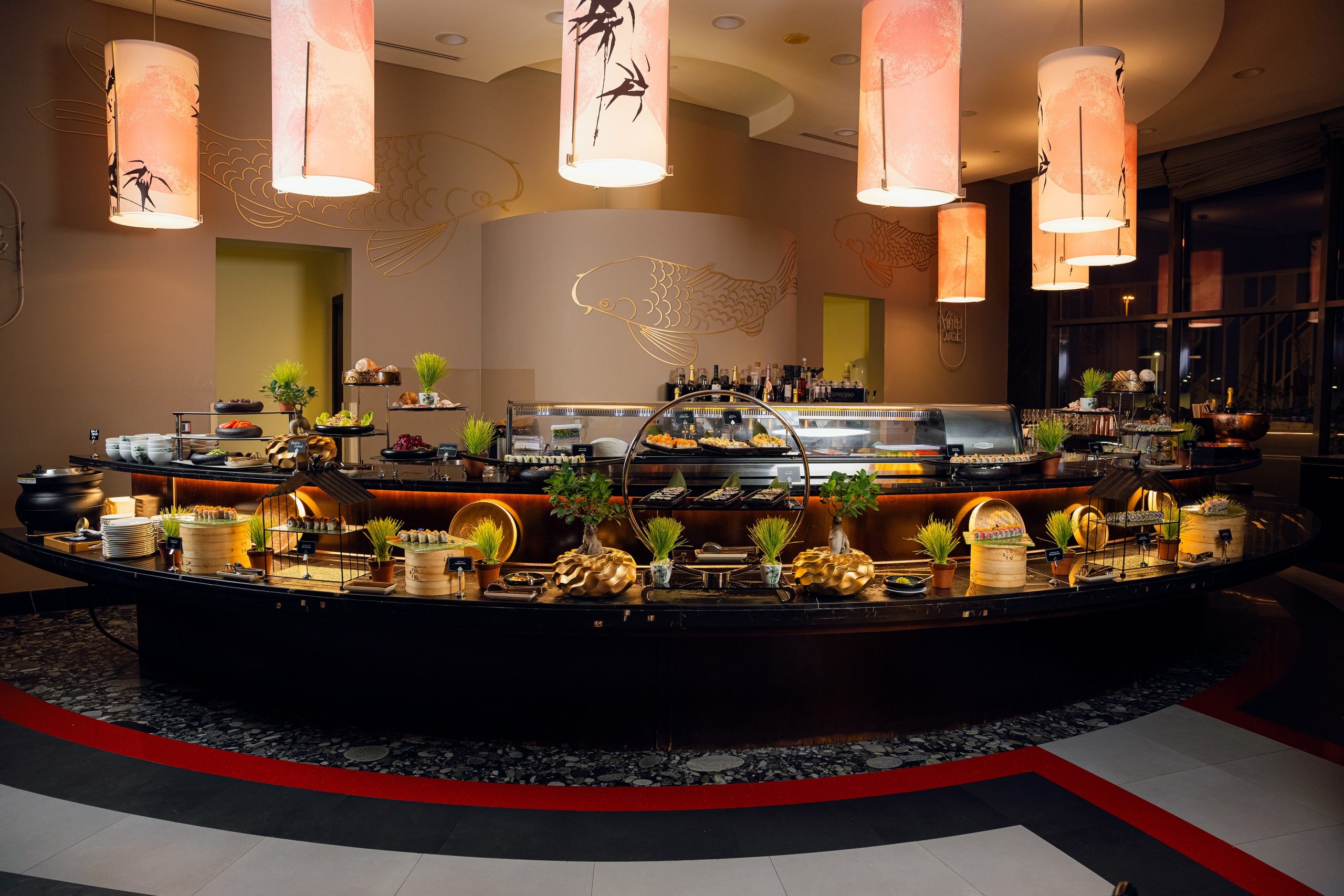
KOI brings Japanese Peruvian fusion to Crowne Plaza Riyadh RDC Hotel
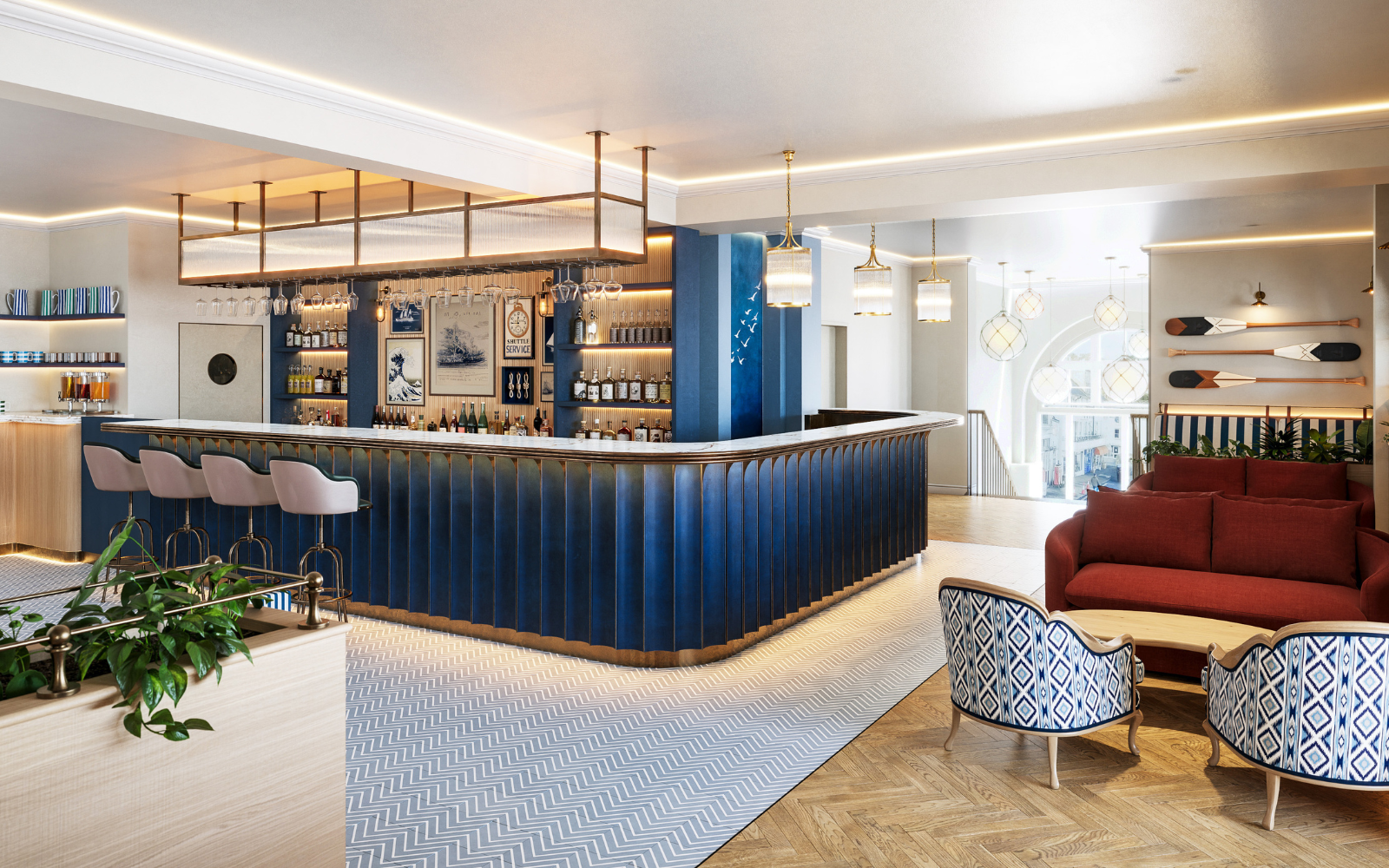
The Elysium Collection launches its new luxury wellness properties

Inside the Hypnos factory: where British bedmaking meets global ambition

Peschiera del Garda, il colpo di TH Group è luxury: un 5 stelle lusso nel sito Unesco
News aggregated from leading international sources. Click any article to read the full story.