





Aviation’s carbon bill arrives at the boardroom door
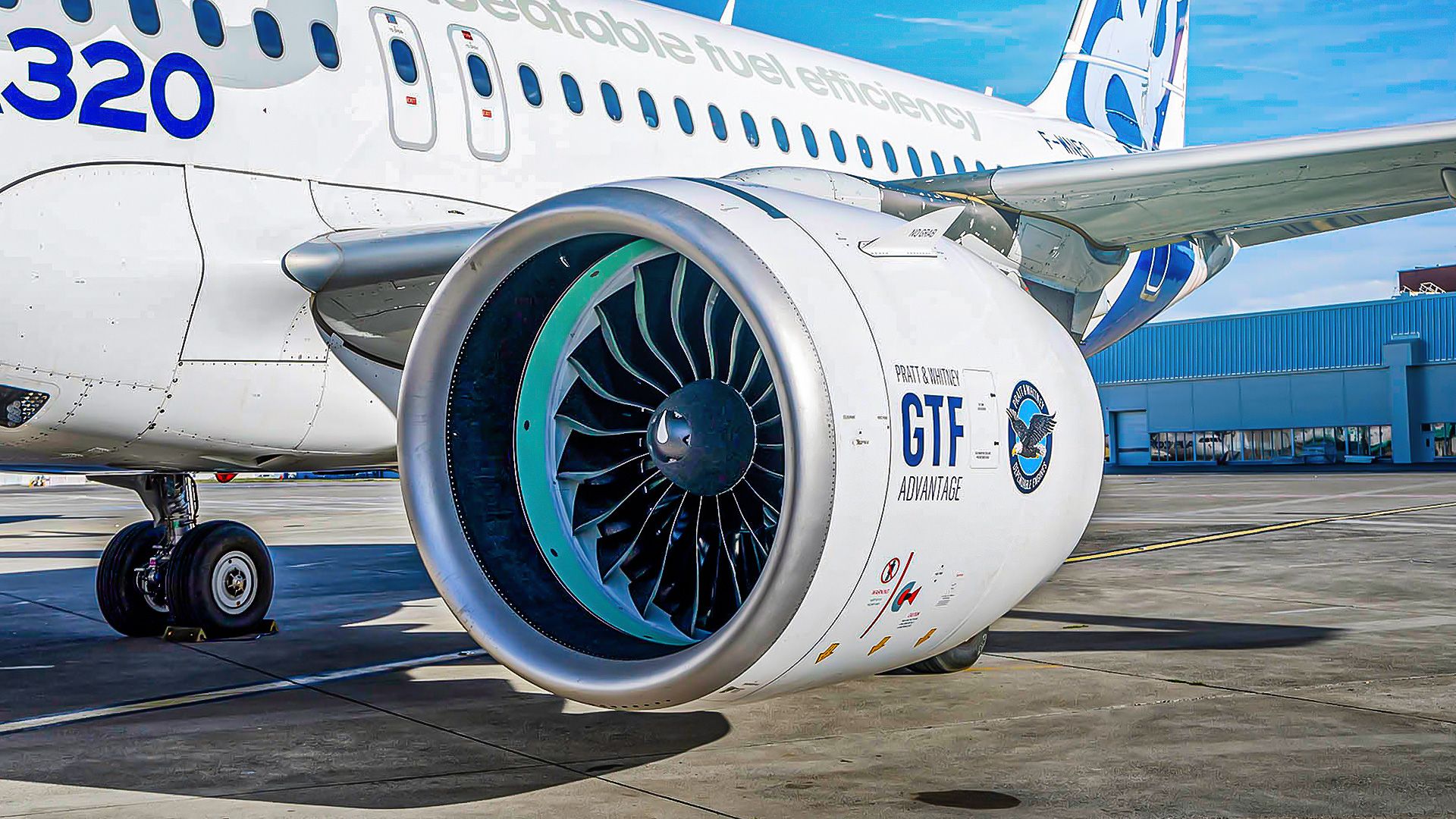
ICAO’s aviation climate negotiations put Geneva and the wider global aviation system, not Spain, at the center of today’s sustainability agenda because the debate is no longer about aspirational net-zero language but about who pays for decarbonization, how fast fleets must adapt, and which travel businesses absorb the cost. Aviation generates roughly 2% to 3% of global CO2 emissions, yet its warming impact is higher once non-CO2 effects are counted, and the industry’s path to net zero by 2050 already implies hundreds of billions of dollars in SAF, fleet renewal, and airport-energy investment; even before mandates tighten, Pratt & Whitney GTF engine dislocations and constrained aircraft supply show how fragile the operating base has become. For hospitality leaders, this matters because long-haul luxury, island resort demand, and conference travel all sit downstream of airline economics: if carbon levies, SAF blending requirements, or offset rules raise ticket prices by even low-single-digit percentages, the demand mix shifts toward fewer, longer, higher-value trips and rewards destinations with rail adjacency or nonstop air access. The broader trend is unmistakable: sustainability is becoming a market-access requirement tied to financing, insurance, and destination competitiveness, much as Vision 2030 linked infrastructure spending to tourism capture; owners should now build route-resilient demand strategies, secure renewable energy procurement, and position assets around longer-stay, higher-spend guests who can justify elevated travel friction in the coming months.