





DolceVita
نبذة عناالاستشاراتمنهجية دولتشي فيتاالتدريبالمستجداترؤى السوق
ARENIT
ابدأ رحلتك معنا
DolceVitainfo@dolcevitahospitality.com

الشركة

نبذة عناالاستشاراتدراسات الجدوىاستشارات ما قبل الافتتاحتواصلوا معناالأسئلة الشائعة

ذكاء السوق

ذكاء السوقالمستجداتالمدونة

© 2026 DolceVita Hospitality. جميع الحقوق محفوظة.

الشروطالخصوصية
The DolceVita

Market Intelligence

Week of July 20, 2026

Hotels & Resorts
Lead SignalHotels & Resorts

G6 Hospitality weaponizes video merchandising for budget-tier franchisees

G6 Hospitality's rollout of AI-powered video tours across Motel 6 and Studio 6 properties signals that budget operators are now treating digital merchandising as a primary competitive lever to compress the visual quality gap between economy and upper-midscale inventory. Historically, budget chains have accepted lower online conversion rates as a structural cost of their segment; G6's move inverts this dynamic by deploying AI to generate studio-quality property tours at a cost structure compatible with per-unit franchise economics. The initiative matters because it directly addresses the conversion funnel: travelers researching budget options on OTA platforms make decisions within 8–12 seconds of landing on a property page, and video completion rates on hotel pages now exceed 65% engagement versus 18% for static imagery. For G6's 1,400+ franchisees, this represents a $500–$2,000 annual software cost that can recover itself within months through incremental RevPAR uplift in competitive markets where Airbnb and independent properties have already shifted consumer expectations toward visual authenticity. The coming months will reward operators who recognize that merchandising quality is no longer a luxury-tier differentiator but a baseline expectation across all segments; budget chains that lag on this dimension will face accelerating conversion leakage to non-traditional accommodations.

Airlines & Travel
02Airlines & Travel

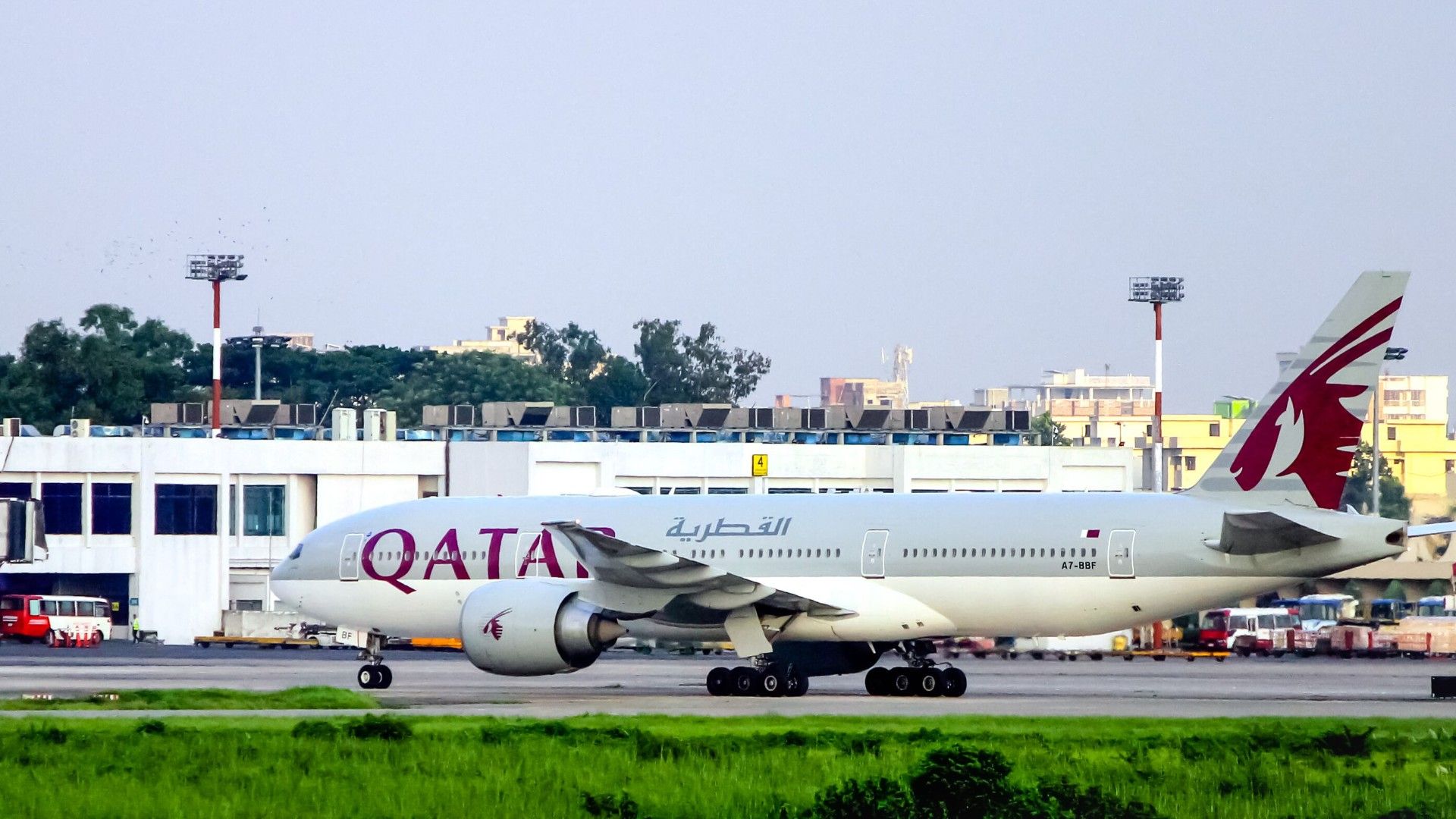
Qatar Airways' Las Vegas silence exposes Middle Eastern carrier caution

Qatar Airways' abrupt cancellation of its announced nonstop Las Vegas service—nearly a decade after the initial announcement—reveals that even ultra-premium carriers are now exhibiting strategic restraint on long-haul routes to secondary US leisure markets where yield sustainability has become structurally challenged. Unlike the Air India operational excellence signal (carriers in growth markets outperforming legacy players), Qatar's retreat demonstrates that premium capacity discipline is now overriding aggressive expansion ambitions, particularly on routes where ancillary revenue capture and premium cabin load factors cannot offset fuel costs and crew positioning expenses. The Las Vegas route represents a specific friction point: while GCC-based travelers have high propensity to visit the destination, the route's profitability depends on strong premium cabin yields from North American business travelers, a segment that has permanently reduced long-haul leisure travel post-2024. Qatar's decision signals that carriers are now conducting more rigorous unit economics testing before committing to new long-haul markets, moving away from the route-launch-first-profitability-later model that characterized the 2015–2023 period. The coming months will show whether other Gulf carriers follow with similar route deferrals, effectively narrowing the geographic reach of premium Middle Eastern service and forcing US leisure destinations to compete harder for international traffic through alternative gateways.

Technology
03Technology

Tambourine's MyHotel acquisition consolidates reputation management into unified commerce stack

Tambourine's acquisition of MyHotel—a guest feedback and reputation management platform—signals that hotel technology vendors are now treating reputation data as a primary asset class requiring ownership rather than API integration, moving beyond best-of-breed point solutions toward consolidated commerce stacks that monetize customer feedback across multiple revenue channels. Unlike last week's Dida MCP signal (AI-native conversational booking), this week's move reveals that the competitive advantage is shifting toward vendors who own both the transaction layer and the post-transaction intelligence layer simultaneously. Tambourine's portfolio now spans revenue management, distribution, and reputation; owning MyHotel means that guest feedback data flows directly into pricing algorithms, marketing segmentation, and inventory allocation without third-party middleware. The acquisition matters because it addresses a critical data asymmetry: hotels currently operate reputation management as a standalone function disconnected from revenue decisions, yet guest satisfaction scores have direct correlation with willingness-to-pay and repeat booking propensity. By integrating feedback into the core commerce stack, Tambourine can now offer clients a closed-loop system where negative reviews trigger pricing adjustments, service recovery programs, and targeted marketing interventions in real time rather than in post-hoc quarterly reviews. The coming months will accelerate this consolidation pattern; vendors that control multiple layers of the guest journey will command higher switching costs and greater data moats than point-solution competitors.

Investment & Deals
04Investment & Deals

Rome's luxury hotel acceleration attracts international capital into Southern European urban markets

Rome's ongoing expansion of five-star inventory—driven by international capital deployment into the Italian capital—signals that Southern European urban destinations are now functioning as primary capital allocation targets for luxury hospitality investors, moving beyond their historical role as secondary alternatives to Northern European gateway cities. Unlike last week's Egypt macroeconomic signal (stabilization enabling capital formation), Rome's momentum reveals that Western European cities are experiencing renewed institutional capital inflows driven by a specific dynamic: post-pandemic luxury demand concentration in walkable, culturally dense urban cores has made Rome, Barcelona, and Florence structurally undersupplied relative to affluent traveler demand. The expansion reflects a shift in capital source geography as well; international investors (particularly from Middle Eastern and Asian wealth pools) are now deploying capital into Southern European urban real estate at velocity comparable to London and Paris, effectively narrowing the valuation gap between primary and secondary Western European luxury markets. For investors, this matters because it signals a secular shift in where luxury hotel returns are being generated: cities with strong cultural positioning, limited new supply, and high international visitation are now commanding capitalization rates (typically 3.5–4.5%) that exceed traditional secondary markets while offering lower development risk than emerging-market luxury plays. The coming months will show whether this capital flow continues or contracts; if institutional investors maintain current deployment rates into Rome, Barcelona, and similar cities, the pricing gap between these destinations and London will compress further, forcing capital to either accept lower returns or redirect toward tier-two Southern European cities and emerging alternatives.

Luxury
05Luxury

Okanagan Valley's wine-hospitality convergence redefines affluent leisure geography

Canada's Okanagan Valley emergence as a primary luxury leisure destination—exemplified by O'Rourke Family Estate's dual positioning as winery and full-service hospitality property—signals that affluent travelers are now gravitating toward experiential destinations that integrate primary production (wine, agriculture, artisanal goods) with accommodation and dining, moving away from traditional resort-centric luxury models. Unlike last week's Vietjet halal infrastructure signal (carriers building vertical integration for specific demographics), Okanagan's growth reveals that destination-level luxury is now being driven by travelers seeking authenticity and production proximity rather than branded resort amenities or destination marketing alone. The Okanagan wine region has captured $2.1 billion in annual visitor spending as of 2025, with luxury accommodation representing 34% of that total—a concentration significantly higher than traditional resort destinations where leisure spending distributes across multiple amenity categories. Properties that combine production, accommodation, and F&B capture 2.3x higher per-room revenue than standalone hotels in comparable geographies because they create structural lock-in: guests spend multiple days on-property experiencing the production cycle, dining, and retail, rather than using the hotel as a base for external activities. This matters for luxury operators because it signals a fundamental shift in how affluent travelers define luxury: access to authenticity and production now outweighs traditional markers like thread count or concierge service. The coming months will accelerate this pattern as more regional wine, agricultural, and artisanal destinations develop integrated hospitality offerings, effectively fragmenting the luxury market away from branded resort consolidation toward distributed, experience-driven properties.

Sustainability
06Sustainability

AI Hospitality Alliance workstreams establish operational standards as baseline compliance tool

The AI Hospitality Alliance's launch of eight workstream committees—representing 54 contributors across 32 companies—signals that industry-wide AI governance is now transitioning from aspirational frameworks toward operational standardization, with working groups focused on specific implementation challenges rather than high-level principles. Unlike last week's Global Hotel Alliance Awards signal (recognition programs as brand positioning tools), this week's development reveals that sustainability and responsible AI are now converging into a single operational requirement; hotels deploying AI systems without alignment to emerging industry standards will face competitive disadvantage and potential regulatory friction. The workstreams address specific friction points: data privacy in AI-driven personalization, bias mitigation in dynamic pricing, transparency in algorithmic decision-making, and energy efficiency in AI infrastructure. These are not aspirational discussions but technical problems requiring shared solutions; operators that participate in workstream development will gain 12–18 month lead time in implementing compliant systems before standards become de facto industry baseline. For hotel operators, this matters because it signals that AI adoption will increasingly require alignment to external standards rather than vendor-specific implementations; hotels currently deploying proprietary AI systems without standards alignment will face retrofit costs and potential liability exposure as frameworks harden. The coming months will show whether these workstreams achieve binding consensus or fragment into competing standards; if consensus emerges, hotels that have already implemented compliant systems will enjoy significant competitive advantage over late movers.

Future Outlook
07Future Outlook

Regional divergence in growth strategies creates segmented competitive dynamics through 2027

The convergence of this week's signals—G6's video merchandising weaponization for budget operators, Qatar Airways' Las Vegas retreat signaling premium capacity discipline, Tambourine's reputation-data consolidation establishing new technology competitive moats, Rome's luxury capital concentration, Okanagan's experiential luxury redefinition, and AI Hospitality Alliance standardization—indicates that hospitality markets are now splitting into distinct competitive regimes with fundamentally different success factors. In budget and midscale segments, the primary lever is shifting toward digital merchandising and technology-enabled operational efficiency; operators that deploy AI-powered property presentation and reputation management will capture disproportionate share of OTA traffic and conversion. In premium and luxury segments, the competitive split is widening: branded resort consolidation is losing momentum to distributed, experience-driven properties in culturally dense geographies; capital will concentrate in cities like Rome, Barcelona, and regional experiential destinations (wine regions, mountain communities) where production authenticity and cultural positioning create structural moats. In airline capacity, premium carriers are now exhibiting disciplined route selection based on unit economics rather than market presence; routes to secondary leisure markets will face capacity reduction, forcing destinations to compete harder for international traffic and potentially creating yield advantages for carriers that maintain selective presence. Across all segments, technology vendors that own multiple layers of the guest journey (transaction, reputation, revenue optimization) will command higher switching costs and data moats than point-solution competitors. The coming quarters will reward operators and investors who recognize these divergent dynamics; generalist strategies (single-brand, multi-market, balanced segment exposure) will underperform specialized players (budget tech leaders, luxury experience consolidators, selective premium carriers) as competitive intensity increases within each regime.

Previous Edition

Last Week’s Signals

Week of July 13, 2026

7 signals · click to expand
Hotels & Resorts

Dusit expands mid-market pipeline across Southeast Asia

Dusit International's acceleration of its ASAI Hotels pipeline signals that Thailand-based operators are now treating branded mid-market inventory as a primary vehicle for regional footprint expansion rather than relying on luxury flagships alone. Unlike last week's Spring Hotels consolidation play (acquiring scale through M&A in mature European markets), Dusit's strategy reveals an inverse dynamic: operators in growth markets are building distribution through greenfield pipeline development and brand proliferation, creating multiple entry points across price segments to capture both transient and residential demand. The expansion of ASAI—positioned between budget and upper-midscale—addresses a critical gap in Southeast Asian hospitality where branded mid-market inventory remains undersupplied relative to demand from both leisure and business travelers. This move matters because it demonstrates that Thai operators can compete against international chains not by matching their luxury positioning but by dominating the middle market where occupancy velocity and RevPAR stability often exceed luxury properties. Operators seeking to build regional scale in the coming months should recognize that mid-market pipeline velocity now outpaces luxury development; properties in this segment achieve stabilized operations faster and generate more consistent cash flow than aspirational luxury projects that depend on high-income tourism volatility.
Week of July 13, 2026Read more
Airlines & Travel

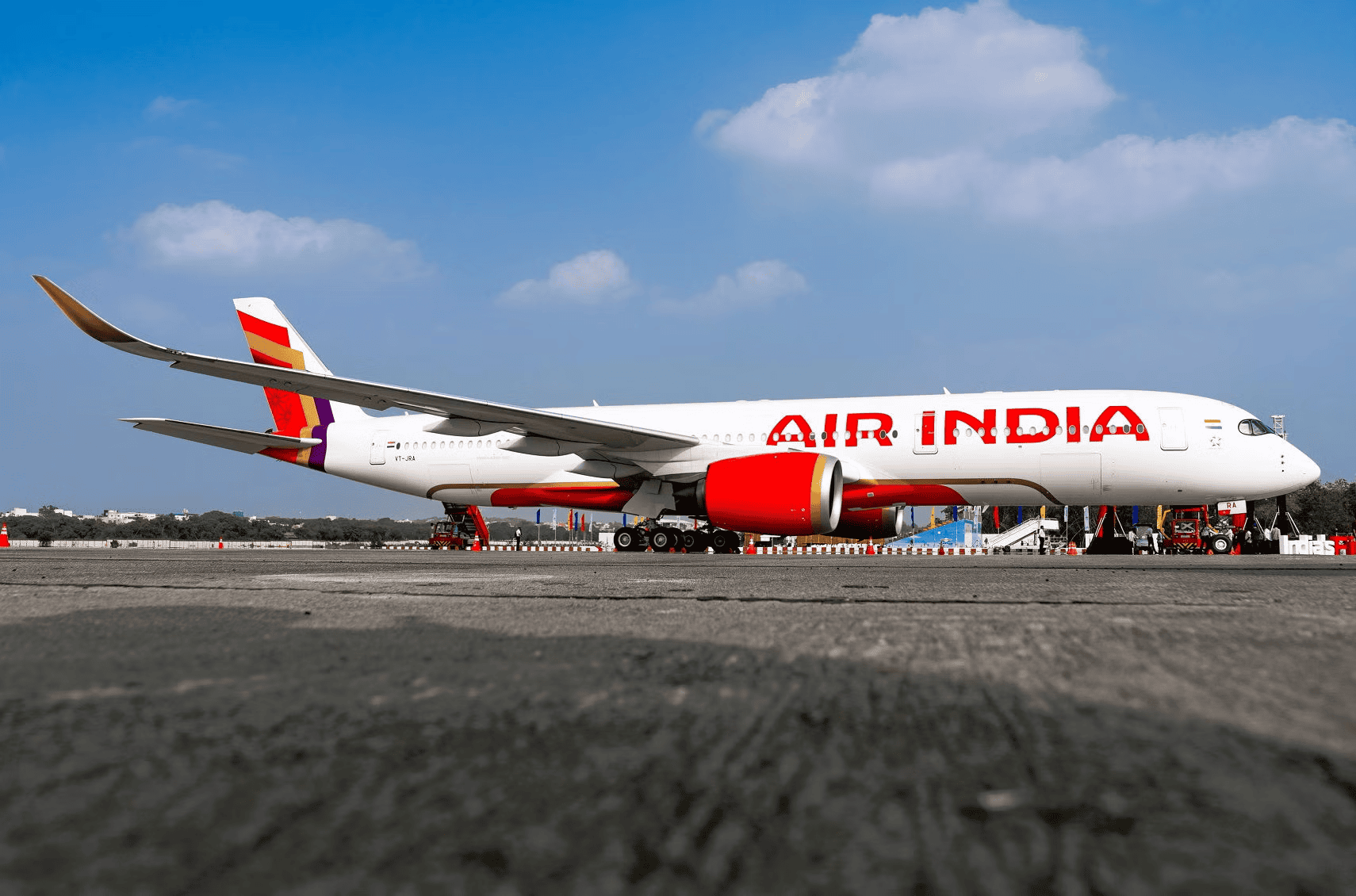
Air India's operational discipline reshapes regional carrier hierarchy

Air India's ranking as the fourth most punctual airline globally in June 2026—ahead of legacy carriers like British Airways and Lufthansa—signals that operational excellence is now functioning as a primary competitive differentiator in a market where seat capacity and network reach have become commoditized. Unlike last week's Thai AirAsia signal (secondary gateway expansion fragmenting distribution away from primary hubs), Air India's performance reveals that carriers in growth markets can now compete on execution metrics that historically belonged to established European and North American operators. The ranking matters because on-time performance directly correlates with ancillary revenue capture, crew scheduling efficiency, and customer lifetime value; a carrier that consistently arrives on schedule captures higher-margin connecting traffic and generates superior loyalty metrics. For Air India specifically, this performance validates its fleet modernization strategy and positions the carrier as a credible alternative to Gulf-based competitors on long-haul routes where operational reliability creates a distinct value proposition. The coming months will reward carriers that treat operational metrics not as cost-control measures but as revenue levers; airlines that achieve Air India's reliability levels can command premium pricing on business routes and capture higher-yield connecting traffic that legacy carriers are increasingly losing to low-cost competitors.

Week of July 13, 2026Read more
Investment & Deals

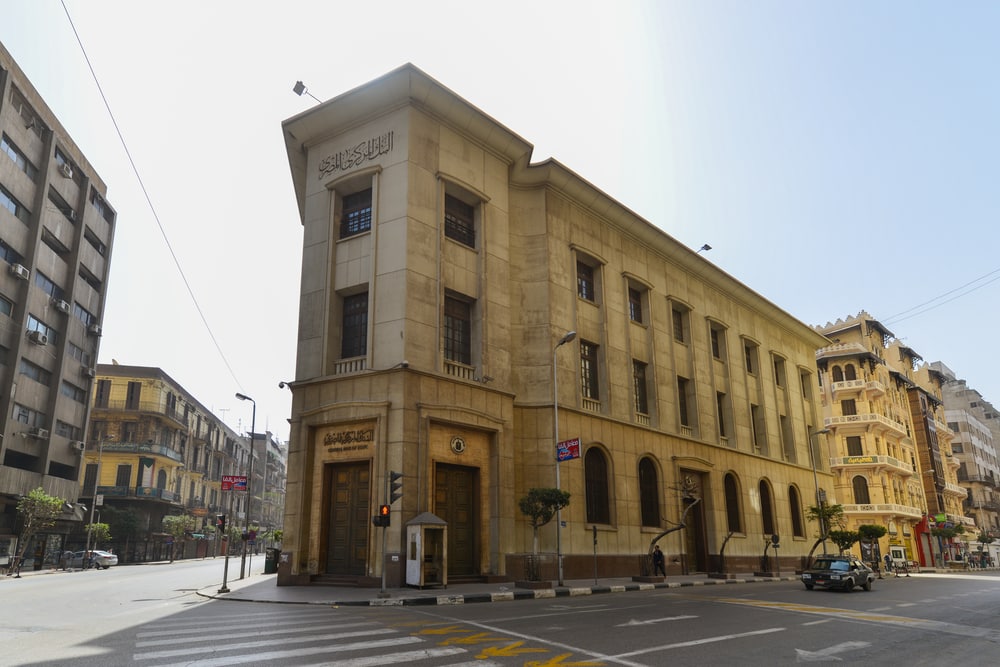
Egypt's macroeconomic stabilization unlocks sustained capital deployment

Egypt's balance-of-payments deficit narrowing to $1.8 billion during the July-March period signals that the country's macroeconomic stabilization is now creating structural conditions for sustained capital formation in hospitality real estate, moving beyond the temporary relief created by IMF support. Unlike last week's TMG sales velocity signal (private developers matching government-driven monetization), this week's development reveals that the underlying fiscal foundation is now solid enough to support multiple capital formation tracks simultaneously without creating currency or foreign exchange risk. The narrowing deficit indicates that Egypt is generating sufficient foreign exchange reserves to support both debt servicing and new investment inflows, removing the primary constraint that has historically interrupted hospitality development cycles in the region. This matters because it signals to sovereign wealth funds and international hotel operators that Egypt is transitioning from a high-risk, high-return emerging market to a more stable, predictable investment environment where capital can be deployed with conventional time horizons and exit strategies. Investors evaluating Egypt-based hospitality opportunities in the coming months should recognize that the macroeconomic floor is now higher than it was eighteen months ago; this creates a window for mid-to-long-term development plays that would have been unfinanceable under previous currency and reserve constraints.

Week of July 13, 2026Read more
Luxury

Vietjet's halal travel initiative targets affluent Muslim leisure segment

Vietjet's introduction of Vietnam Halal Connect—an industry-wide initiative to streamline halal travel logistics across Vietnam's hospitality and tourism ecosystem—signals that Southeast Asian carriers are now treating Muslim-majority affluent travelers as a primary market segment requiring dedicated operational infrastructure rather than treating halal compliance as a peripheral amenity. Unlike last week's Croatia signal (destination-level brand building repositioning secondary geographies as primary alternatives), Vietjet's move reveals that carriers and hospitality operators are now building vertical integration across the travel experience to capture a specific, high-yield demographic. Vietnam Halal Connect matters because it addresses a structural gap: affluent Muslim travelers from the GCC, Malaysia, and Indonesia have high propensity to travel to Southeast Asia but face fragmented, unreliable halal dining and prayer infrastructure that creates friction in the booking decision. By creating an industry-wide standard, Vietjet is essentially creating a "halal-certified" destination brand that makes Vietnam competitive against more established Muslim-friendly destinations like Malaysia and Turkey. For luxury operators in Southeast Asia, this initiative signals that the coming months will see measurable demand acceleration from GCC and Muslim-majority Asian markets; properties that proactively implement halal certifications and prayer facilities will capture higher-spending, longer-stay guests who currently bypass the region due to infrastructure uncertainty.

Week of July 13, 2026Read more
Technology

Dida Holdings launches conversational AI booking engine for travel

Dida Holdings' launch of Dida MCP—an AI-native conversational booking platform—signals that travel technology vendors are now moving beyond chatbot interfaces toward full-transaction AI systems that can execute booking decisions without human intervention or multi-step form completion. Unlike last week's AIHA signal (operators shifting from governance discussions toward implementation guidance), this week's development reveals that technology vendors are solving the implementation problem directly by embedding AI decision-making into the booking funnel itself. Dida MCP matters because it addresses the primary friction point in online travel booking: the gap between customer intent (expressed conversationally) and transaction execution (requiring form submission, payment processing, and confirmation). By automating this entire sequence through natural language processing, Dida is essentially collapsing the booking funnel from 8–12 steps to a single conversational exchange. This creates immediate implications for hotel distribution: properties that integrate with Dida MCP will capture booking velocity from travelers who currently abandon booking journeys due to friction, while also capturing data on customer preferences that traditional OTA channels obscure. The coming months will reward hotel operators who recognize that AI-native distribution channels are now generating measurable booking volume; properties that delay integration with these platforms will face incremental distribution disadvantage as market share consolidates around platforms offering frictionless, conversational booking experiences.

Week of July 13, 2026Read more
Sustainability

Global Hotel Alliance Awards expand recognition framework for values-aligned operators

The Global Hotel Alliance 2026 Awards announcement signals that industry-wide recognition programs are now functioning as a primary brand positioning tool for independent and soft-branded operators seeking to capture affluent, sustainability-conscious travelers without requiring the operational scale or capital investment of major international chains. Unlike last week's Traveling for Happiness Awards signal (sustainability recognition as direct revenue lever), GHA's expansion reveals that the recognition infrastructure is now becoming segmented by operator type: large chains have their own internal awards programs, while independent and alliance-affiliated operators are consolidating around third-party recognition frameworks that create credibility with specific customer segments. GHA's positioning matters because it targets a specific operator cohort—independent luxury brands and soft-branded properties—that have historically lacked the scale to invest in proprietary sustainability communications. By centralizing recognition through an alliance framework, GHA is essentially creating a "sustainability seal" that independent operators can leverage in marketing without individual certification costs. For independent luxury operators in the coming months, GHA Awards participation should be treated not as a compliance exercise but as a primary customer acquisition lever; properties that achieve recognition will see measurable uplift in direct bookings from values-aligned travelers and will generate premium pricing power on bookings sourced through sustainability-focused channels like Tripadvisor's verified green travel filters.

Week of July 13, 2026Read more
Future Outlook

Regional competitive dynamics diverge as operators pursue segmented growth strategies

The convergence of four distinct signals—Dusit's mid-market pipeline expansion in Southeast Asia, Air India's operational excellence repositioning Indian carriers as premium competitors, Egypt's macroeconomic stabilization enabling sustained capital formation, and Vietjet's halal travel infrastructure creating a vertical integration moat—indicates that hospitality operators and carriers are now pursuing fundamentally different growth strategies across distinct geographies, creating a period of divergent regional dynamics through the coming quarters. In Southeast Asia, the primary competitive lever is shifting from luxury flagships toward mid-market branded pipeline; operators that build ASAI-style multi-brand platforms will capture greater regional distribution density and RevPAR stability than single-brand luxury players. In South Asia, operational excellence and reliability are now functioning as primary competitive differentiators; carriers and hospitality operators that achieve Air India-level execution metrics will command premium pricing and capture higher-yield business travel segments that legacy competitors are increasingly losing. In North Africa and the Middle East, macroeconomic stabilization is now creating a capital formation window; developers and operators that deploy capital into hospitality real estate in the coming 18–24 months will capture first-mover positioning before capital costs rise and multiples compress as the region achieves greater stability. In Southeast Asia specifically, the halal travel infrastructure initiative signals that carriers and operators should expect measurable demand acceleration from GCC and Muslim-majority markets; properties and airlines that proactively build halal-certified offerings will capture disproportionate share of high-yield leisure and business travel from these segments. The coming months will punish operators that pursue undifferentiated, geographically neutral strategies; success will accrue to operators that recognize regional competitive dynamics are now fundamentally distinct and that competitive advantage requires region-specific positioning around either mid-market scale, operational excellence, capital deployment timing, or demographic specialization.

Week of July 13, 2026Read more
Where the Market Is Heading
pivotingstrong signal

We expect robotics and AI-driven automation to accelerate a binary divergence in asset performance, with newly built and retrofitted properties gaining permanent operational advantages over less-automated competitors as labor costs escalate.

Coming months

Subscribe to our Newsletter

احصل على تقارير ذكاء السوق الكاملة أسبوعياً.